

Kirjailija
John Greenleaf Whittier
Kirjat ja teokset yhdessä paikassa: 644 kirjaa, julkaisuja vuosilta 1910-2026, suosituimpien joukossa The Poetical Works of John Greenleaf Whittier. Vertaile teosten hintoja ja tarkista saatavuus suomalaisista kirjakaupoista.
644 kirjaa
Kirjojen julkaisuhaarukka 1910-2026.




John Greenleaf Whittier (1807-1892) was an influential American Quaker poet and ardent advocate of the abolition of slavery in the United States. Although he received little formal education, he was an avid reader who studied his father's six books on Quakerism until their teachings became the foundation of his ideology. He was heavily influenced by the doctrines of his religion, particularly its stress on humanitarianism, compassion, and social responsibility. First introduced to poetry by a teacher, Whittier published his first poem in 1826 in William Lloyd Garrison's Newburyport Free Press. In June of 1833, he published the antislavery pamphlet Justice and Expediency, and from there dedicated the next twenty years of his life to the abolitionist cause. He was editor of The National Era; one of the most influential abolitionist newspapers in the North.
John Greenleaf Whittier (1807-1892) was an influential American Quaker poet and ardent advocate of the abolition of slavery in the United States. Although he received little formal education, he was an avid reader who studied his father's six books on Quakerism until their teachings became the foundation of his ideology. He was heavily influenced by the doctrines of his religion, particularly its stress on humanitarianism, compassion, and social responsibility. First introduced to poetry by a teacher, Whittier published his first poem in 1826 in William Lloyd Garrison's Newburyport Free Press. In June of 1833, he published the antislavery pamphlet Justice and Expediency, and from there dedicated the next twenty years of his life to the abolitionist cause. He was editor of The National Era; one of the most influential abolitionist newspapers in the North.
John Greenleaf Whittier (1807-1892) was an influential American Quaker poet and ardent advocate of the abolition of slavery in the United States. Although he received little formal education, he was an avid reader who studied his father's six books on Quakerism until their teachings became the foundation of his ideology. He was heavily influenced by the doctrines of his religion, particularly its stress on humanitarianism, compassion, and social responsibility. First introduced to poetry by a teacher, Whittier published his first poem in 1826 in William Lloyd Garrison's Newburyport Free Press. In June of 1833, he published the antislavery pamphlet Justice and Expediency, and from there dedicated the next twenty years of his life to the abolitionist cause. He was editor of The National Era; one of the most influential abolitionist newspapers in the North.
John Greenleaf Whittier (December 17, 1807 - September 7, 1892) was an American Quaker poet and advocate of the abolition of slavery in the United States. Frequently listed as one of the fireside poets, he was influenced by the Scottish poet Robert Burns. Whittier is remembered particularly for his anti-slavery writings, as well as his 1866 book Snow-Bound. Whittier was first introduced to poetry by a teacher. His sister sent his first poem, "The Exile's Departure", to the Newburyport Free Press without his permission, and its editor, William Lloyd Garrison, published it on June 8, 1826. Garrison as well as another local editor encouraged Whittier to attend the recently opened Haverhill Academy.
John Greenleaf Whittier (1807-1892) was an influential American Quaker poet and ardent advocate of the abolition of slavery in the United States. Although he received little formal education, he was an avid reader who studied his father's six books on Quakerism until their teachings became the foundation of his ideology. He was heavily influenced by the doctrines of his religion, particularly its stress on humanitarianism, compassion, and social responsibility. First introduced to poetry by a teacher, Whittier published his first poem in 1826 in William Lloyd Garrison's Newburyport Free Press. In June of 1833, he published the antislavery pamphlet Justice and Expediency, and from there dedicated the next twenty years of his life to the abolitionist cause. He was editor of The National Era; one of the most influential abolitionist newspapers in the North.

John Greenleaf Whittier (1807-1892) was an influential American Quaker poet and ardent advocate of the abolition of slavery in the United States. Although he received little formal education, he was an avid reader who studied his father's six books on Quakerism until their teachings became the foundation of his ideology. He was heavily influenced by the doctrines of his religion, particularly its stress on humanitarianism, compassion, and social responsibility. First introduced to poetry by a teacher, Whittier published his first poem in 1826 in William Lloyd Garrison's Newburyport Free Press. In June of 1833, he published the antislavery pamphlet Justice and Expediency, and from there dedicated the next twenty years of his life to the abolitionist cause. He was editor of The National Era; one of the most influential abolitionist newspapers in the North.
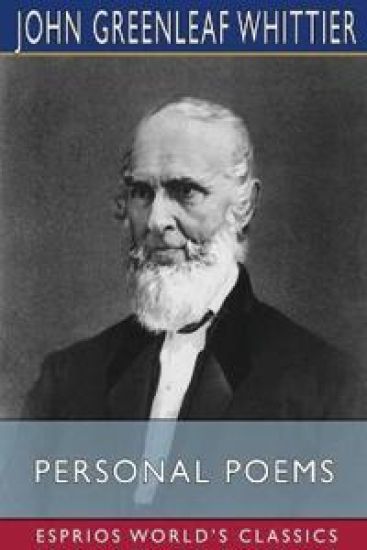
John Greenleaf Whittier (December 17, 1807 - September 7, 1892) was an American Quaker poet and advocate of the abolition of slavery in the United States. Frequently listed as one of the fireside poets, he was influenced by the Scottish poet Robert Burns. Whittier is remembered particularly for his anti-slavery writings, as well as his 1866 book Snow-Bound. Whittier was first introduced to poetry by a teacher. His sister sent his first poem, "The Exile's Departure", to the Newburyport Free Press without his permission, and its editor, William Lloyd Garrison, published it on June 8, 1826. Garrison as well as another local editor encouraged Whittier to attend the recently opened Haverhill Academy.


William Lloyd Garrison and His Times. Or, Sketches of the Anti-slavery Movement in America, and of the Man Who was its Founder and Moral Leader
John Greenleaf Whittier; Oliver Johnson
Outlook Verlag
2024
nidottu


Yankee Gypsies"", constitue un phare dans le monde du livre, comblant le foss entre le pass et le pr sent. Autrefois consid r parmi les livres anciens, cet ouvrage classique, comme tant de livres anciens et oubli s, a fa onn notre compr hension de la culture et de l'histoire. exemple remarquable de livres d'histoire qui ont influenc des g n rations, et maintenant, gr ce au d vouement d'Alpha Editions, votre diteur de livres de confiance, il rena t dans un format frais et l gant. Nous avons soigneusement retap , remani et am lior ce livre pour qu'il soit bien plus qu'un simple titre lire. Vous pouvez d sormais profiter de pages claires et faciles lire, sans num risation floue ni texte d color . En choisissant cette dition, vous investissez dans plus qu'un livre: vous sauvegardez un h ritage. Votre soutien maintient en vie un morceau remarquable du patrimoine humain, garantissant que ses le ons et ses inspirations continuent de r sonner dans le futur.