
Kirjailija
John H. Leith
Kirjat ja teokset yhdessä paikassa: 12 kirjaa, julkaisuja vuosilta 1980-2011, suosituimpien joukossa The Church. Vertaile teosten hintoja ja tarkista saatavuus suomalaisista kirjakaupoista.
Mukana myös kirjoitusasut: John H Leith
12 kirjaa
Kirjojen julkaisuhaarukka 1980-2011.
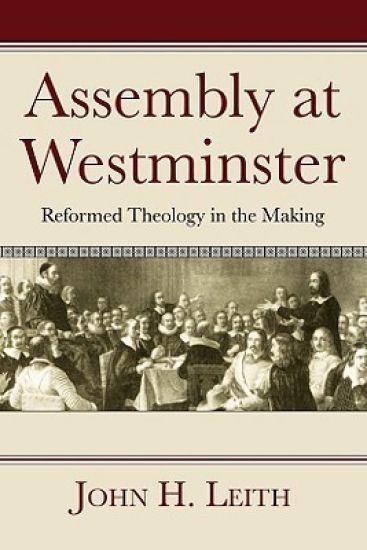
In the story of the church's continuing theological dialogue, the Westminster Confession stands as a towering accomplishment. Persons in the Reformed tradition, especially English-speaking Calvinists, have been shaped by the Westminster Confession as by no other Christian creed. Even in rebellion against it, men and women continue to be formed by it. John Leith focuses on the background and character of the assembly that wrote this document. After placing the Confession in its historical, political, cultural, and theological contexts, Dr. Leith examines its major themes--the Bible, the lordship and sovereignty of God, the covenant, and the Christian life. Finally, he looks at the question of the Westminster Confession as normative, authoritative theology. The Westminster Confession should be neither idolized nor rejected, says Dr. Leith. ""It should be accepted for what it is, a remarkable theological achievement of the Reformed community in the seventh century, and received with gratitude for the guidance that it may give for the theological task today."" ""Will stimulate thought and discussion."" --Reformed Theological Review ""An admirable study of great value to undergraduate and graduate study courses in history, religious studies, and the history of ideas. Long overdue."" --Choice ""A well-documented, fascinating account of a momentous event."" --Christian Bookseller John H. Leith (1919-2002) also authored Introduction to the Reformed Tradition and edited Creeds of the Churches. He was Pemberton Professor of Theology at Union Theological Seminary in Virginia, an alumnus of Columbia Theological Seminary, Vanderbilt University, and received a PhD from Yale University. He served on numerous committees of the General Assembly of the Presbyterian Church in the United States.

Though probably best known for his scholarship on John Calvin, John Leith's work in the church and the academy has earned him honors in many areas. This collection of writings reveals some of his areas of expertise, including not only Calvin, but also the history of the Presbyterian Church, civil rights and integration, a Christ-centered faith, theological education, issues of sexuality, and the nature of the church.

Drawing on his wealth of experience as both a seminary professor and minister, John Leith identifies and confronts the contemporary crisis in theological education. He argues that the crisis in the seminaries is interwoven with the crisis in the church, and that the secularization of educational institutions has led seminaries to move away from their primary responsibility--preparing pastors for ministry.
Based on years of experience as a pastor and professor of theology, John Leith reflects on the dilemma of the church today as primarily "a crisis of faith." He states that renewal is found within Scripture and the tradition of a believing, worshiping community--in hearing the word of God, particularly in preaching, in teaching, in the sacraments, and in Christian conversation.

In the face of dramatic membership decline, John Leith calls on the church to say what no one else can say. Leith writes that too often sermons are moral exhortations which can be delivered more effectively at Rotary or Kiwanis clubs; or political and economic judgements on society presented with greater wisdom and passion at political conventions; or they offer therapies better provided by competent psychiatrists. He urges the church to use its only unique skill--the ability to interpret and apply the work of God through sermons, teaching, and pastoral care.
Creeds of the Churches offers, in one comprehensive volume, the major Christian statements of faith from biblical times to the present. The third edition has been updated to include the Athanasian Creed, the London Confession, the Frankfurt Declaration, and the Lima Text, among others. A brief introduction to each creed explains its place in the developing theology of the Christian community.

The Church: A Believing Fellowship is a classic examination of what it means to become a member of the church. Designed for junior high communicant classes, it is also an excellent resource for church officer training and new member classes. The book confronts the choices and questions that arise for young people--or anyone for that matter--trying to understand their place in the priesthood of all believers.
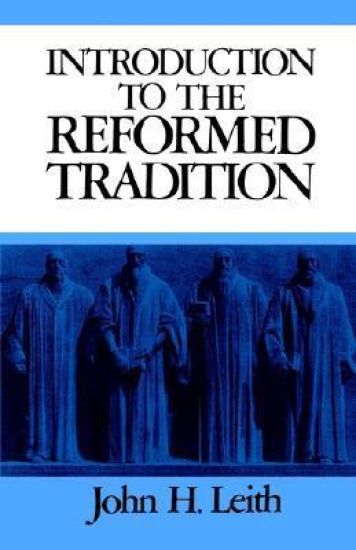
A concise and readable study for laypersons and clergy alike, this book is indispensable for all informed people in many different confessional communities. With the passion of one who not only observes but believes, John Leith touches on all aspects of Reformed history, theology, polity, liturgy, and Christian culture with a balance of enthusiasm and critical judgment that always rings true.