Kirjojen hintavertailu. Mukana 12 595 353 kirjaa ja 12 kauppaa.

Kirjailija

John Hadley

Kirjat ja teokset yhdessä paikassa: 6 kirjaa, julkaisuja vuosilta 2015-2020, suosituimpien joukossa Animal Neopragmatism. Vertaile teosten hintoja ja tarkista saatavuus suomalaisista kirjakaupoista.

6 kirjaa

Kirjojen julkaisuhaarukka 2015-2020.

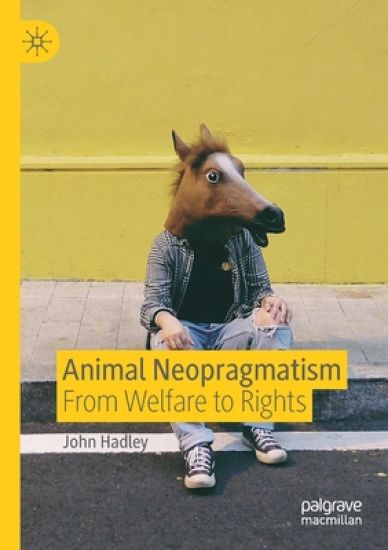
Animal Neopragmatism

Animal Neopragmatism

John Hadley

Springer Nature Switzerland AG
2020
nidottu
This book affords a neopragmatic theory of animal ethics, taking its lead from American Pragmatism to place language at the centre of philosophical analysis. Following a method traceable to Dewey, Wittgenstein and Rorty, Hadley argues that many enduring puzzles about human interactions with animals can be ‘dissolved’ by understanding why people use terms like dignity, respect, naturalness, and inherent value. Hadley shifts the debate about animal welfare and rights from its current focus upon contentious claims about value and animal mindedness, to the vocabulary people use to express their concern for the suffering and lives of animals. With its emphasis on public concern for animals, animal neopragmatism is a uniquely progressive and democratic theory of animal ethics.
Animal Neopragmatism

Animal Neopragmatism

John Hadley

Springer Nature Switzerland AG
2019
sidottu
This book affords a neopragmatic theory of animal ethics, taking its lead from American Pragmatism to place language at the centre of philosophical analysis. Following a method traceable to Dewey, Wittgenstein and Rorty, Hadley argues that many enduring puzzles about human interactions with animals can be ‘dissolved’ by understanding why people use terms like dignity, respect, naturalness, and inherent value. Hadley shifts the debate about animal welfare and rights from its current focus upon contentious claims about value and animal mindedness, to the vocabulary people use to express their concern for the suffering and lives of animals. With its emphasis on public concern for animals, animal neopragmatism is a uniquely progressive and democratic theory of animal ethics.
Seven Months a Prisoner

Seven Months a Prisoner

John Hadley

Hansebooks
2017
pokkari
Seven Months a Prisoner is an unchanged, high-quality reprint of the original edition of 1868. Hansebooks is editor of the literature on different topic areas such as research and science, travel and expeditions, cooking and nutrition, medicine, and other genres. As a publisher we focus on the preservation of historical literature. Many works of historical writers and scientists are available today as antiques only. Hansebooks newly publishes these books and contributes to the preservation of literature which has become rare and historical knowledge for the future.
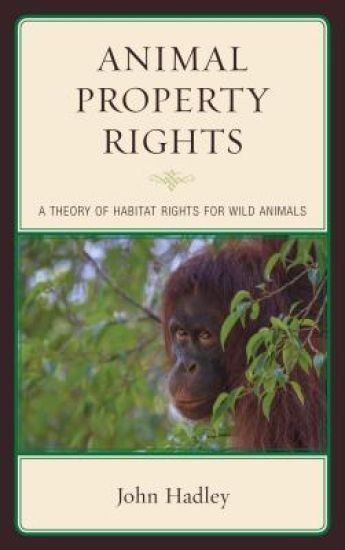
Animal Property Rights

Animal Property Rights

John Hadley

Lexington Books
2016
nidottu
Animal Property Rights: A Theory of Habitat Rights for Wild Animals represents the first attempt to extend liberal property rights theory across the species barrier to animals. It broadens the traditional focus of animal rights beyond basic rights to life and bodily integrity to rights to the natural areas in which animal reside. John Hadley argues that both proponents of animal rights and environmentalists ought to support animal property rights because protecting habitat promotes ecological values and helps to ensure animals live free from human interference. Hadley’s focus is pragmatist – he locates animal property rights within the institution of property as it exists today in liberal democracies. He argues that attempts to justify animal property rights on labor and first occupancy grounds will likely fail; instead, he grounds animal property rights upon the importance of habitat for the satisfaction of animals’ basic needs. The potential of animal property rights as a way of reinvigorating existing public policy responses to the problem of biodiversity loss due to habitat destruction is thoroughly explored. Using the concept of guardianship for cognitively impaired human beings, Hadley translates habitat rights as a right to negotiate – human guardians ought to be allowed to negotiate, on behalf of wild animals, with human landholders whose development activities put animals at risk. In addition to a theory of animal property rights, Animal Property Rights affords a critique of Donaldson and Kymlicka’s wild animal sovereignty theory, a defence of indirect approaches to animal rights, an extensive discussion of euthanasia as a ‘therapeutic hunting’ tool, and the first discussion of Locke’s theory of original acquisition in animal rights literature.
Animal Property Rights

Animal Property Rights

John Hadley

Lexington Books
2015
sidottu
Animal Property Rights: A Theory of Habitat Rights for Wild Animals represents the first attempt to extend liberal property rights theory across the species barrier to animals. It broadens the traditional focus of animal rights beyond basic rights to life and bodily integrity to rights to the natural areas in which animal reside. John Hadley argues that both proponents of animal rights and environmentalists ought to support animal property rights because protecting habitat promotes ecological values and helps to ensure animals live free from human interference. Hadley’s focus is pragmatist – he locates animal property rights within the institution of property as it exists today in liberal democracies. He argues that attempts to justify animal property rights on labor and first occupancy grounds will likely fail; instead, he grounds animal property rights upon the importance of habitat for the satisfaction of animals’ basic needs. The potential of animal property rights as a way of reinvigorating existing public policy responses to the problem of biodiversity loss due to habitat destruction is thoroughly explored. Using the concept of guardianship for cognitively impaired human beings, Hadley translates habitat rights as a right to negotiate – human guardians ought to be allowed to negotiate, on behalf of wild animals, with human landholders whose development activities put animals at risk. In addition to a theory of animal property rights, Animal Property Rights affords a critique of Donaldson and Kymlicka’s wild animal sovereignty theory, a defence of indirect approaches to animal rights, an extensive discussion of euthanasia as a ‘therapeutic hunting’ tool, and the first discussion of Locke’s theory of original acquisition in animal rights literature.