Kirjojen hintavertailu. Mukana 12 657 676 kirjaa ja 12 kauppaa.
Kirjailija
John Hattie
Kirjat ja teokset yhdessä paikassa: 88 kirjaa, julkaisuja vuosilta 1991-2026, suosituimpien joukossa Developing Curriculum for Deep Thinking. Vertaile teosten hintoja ja tarkista saatavuus suomalaisista kirjakaupoista.
Lay the foundation for inclusive, impactful classrooms where every student thrives Every student deserves an education that is meaningful, memorable, and built for them. When we design learning with intentional, universal support, the impact extends beyond individual students—it transforms entire classrooms. In Every Child Deserves a Special Education, the authors introduce five powerful mindframes that reshape the way we think about teaching, learning, and inclusion. These mindframes spark a cycle of reflection and growth, shifting not just what we do, but how we see our students, our classrooms, and our role as educators. Inside, you’ll find: Five essential educator mindframes—helping you plan for both diverse learners and the diversity within each learnerStories and examples that bring these mindframes to life through real classroom experiencesReflection tools to help you examine and refine your own beliefs and practices True inclusion starts with how we think, not just what we do. Every Child Deserves a Special Education will help you build the mindset every classroom needs for all students to thrive.
Supercharge learners and learning Today’s students need more than great teaching of the curricula; they must also be taught the love and strategies of learning. It’s time for a balanced approach that teaches students how to access and process information and inspires a desire for continuous learning. Written by renowned researchers and educators, Great Learners by Design advocates moving away from rote learning and teacher-centric classrooms. Instead, it promotes cultivating self-sufficient, strategic, and visible learners through effective learning strategies. This approach helps foster a learning environment where mistakes are seen not as embarrassments but as opportunities for growth. Inside, you’ll discover New and traditional learning theories and how to implement them in the classroom12 learning strategies and 13 learning principles that will transform your class and school into an organization dedicated to excellenceHow to use and integrate tools for measuring learning With the goal of creating lifelong learners, Great Learners by Design offers an in-depth analysis of learning theories, practical classroom applications, and tools. It is a vital resource for enhancing students’ skills and encouraging them to use optimal strategies to succeed both in the classroom and beyond.
This open access book discusses why the seemingly straightforward strategy of teaching children how to think deeply does not work and offers an alternative way forward for the curriculum to achieve these objectives. Over the years, the role of knowledge in the curriculum has, like a pendulum, shifted between two extremes, from highly visible to virtually invisible knowledge elements. Insights from cognitive and educational psychology, sociology, and curriculum studies are used to underpin the current knowledge revival that is widely being observed in education. A knowledge-rich curriculum is proposed by the authors as not only the soundest way forward to both effectively acquire knowledge and complex cognitive skills in school, but also as a crucial lever to achieve equitable opportunities for all students. In understanding how a knowledge-rich curriculum can enhance learning, three overarching principles are discussed: (1) content-richness, (2) coherence, and (3) clarity. These principles are illustrated through practical examples from schools and educators who have effectively integrated knowledge-rich curricula.
Lead lasting change for your entire learning community School leadership requires more than good intentions—it demands consequential actions that produce positive and meaningful outcomes for students, teachers, and the whole school community. Consequential Leadership is a practical, illustrated guide for busy educational leaders that will help you move beyond compliance to meaningful transformation—efficiently and effectively. Drawing from extensive research and real-world experience, the authors present five essential leadership imperatives that combine theoretical insights with actionable strategies, all delivered alongside engaging illustrations that make complex concepts accessible and memorable. The book explores crucial areas that define effective educational leadership: Five leadership imperatives that include courage and accountability, motivation and collective purpose, evidence-based decision making, professional learning design, and performance conversations Practical tools and assessments like self-evaluation rubrics, reflection prompts, and a personalized leadership journey map Real-world applications that bridge research and practice, helping you to implement strategies that drive student achievement and teacher effectiveness A visual framework that presents leadership concepts through illustrations, charts, and diagrams designed to enhance understanding and retention Embracing consequential leadership principles will allow you to develop the skills and competencies to create learning environments where students grow academically and personally, teachers thrive professionally, and school communities flourish through collective purpose and shared accountability.
Frigör utrymme för det som gynnar elevernas lärande genom att systematiskt ta bort arbetsuppgifter som inte ger resultat. Många lärare och skolledare kämpar för att hinna med och slits mellan det som är viktigt och det som bara blivit ett måste. Men vad händer om vi tar bort det som inte har effekt? Om vi i stället arbetar med det som är viktigt, på riktigt? Skolforskarna Arran Hamilton, John Hattie och Dylan Wiliam menar att vi måste våga välja bort för att göra skolan hållbar – för lärare och elever. I boken Välj bort, välj rätt – avimplementering i skolan beskriver de hur det kan gå till. Pressen på lärare och skolledare ökar. Förutom kärnuppdraget med planering, undervisning, efterarbete och mentorskap läggs ofta även dokumentationskrav, olika fortbildningsinsatser av varierad kvalitet och nya it-system på arbetsbördan. Det skapar en stressig arbetsmiljö och splittrat fokus. Välj bort, välj rätt riktar sig till dig som arbetar i skolan och som vill skapa mer utrymme för det som faktiskt gör skillnad för elevernas lärande. Boken handlar om avimplementering: att medvetet identifiera och ta bort, begränsa, bearbeta eller byta ut aktiviteter, processer och inslag i skolvardagen som har låg eller ingen effekt. Det handlar om att arbeta mer fokuserat och smartare för att få en mer hållbar vardag och bättre resultat. Med hjälp av en konkret modell – de fyra B:na: Bortta, Begränsa, Bearbeta, Byta ut – får du verktyg för att analysera arbetsinsatser och prioritera. Du får stöd i att utvärdera dokumentation, mötesstrukturer, planering och undervisningspraktik, minska stress och frigöra tid för reflektion, undervisning och kollegialt lärande samt skapa samsyn i personalgruppen kring vad som är viktigast. Boken är baserad på internationell forskning och full av praktiska exempel. Den riktar sig till såväl lärare som skolledare. Arran Hamilton är utbildningsdirektör vid Cognition Learning Group. Hans huvudsakliga fokus är att omsätta forskning till praktisk nytta i stor skala. Han har lett utveckling, genomförande och utvärdering av omfattande skolutvecklingsprogram i bland annat Storbritannien, Australien, Nya Zeeland, Stillahavsområdet, Östasien och Mellanöstern. John Hattie är professor emeritus vid Melbourne Graduate School of Education, University of Melbourne, medgrundare till Hattie Family Foundation och ordförande för Australian Institute for Teaching and School Leadership. Han är en av världens mest inflytelserika skolutvecklingsforskare. Dylan Wiliam är professor emeritus i pedagogisk bedömning vid UCL Institute of Education. Hans forskning har främst fokuserat på formativ bedömning. I dag samarbetar han med lärare över hela världen för att utveckla sådana arbetssätt. Inledningen är skriven av Pernilla Lundgren, utbildningsexpert, föreläsare och författare om bedömningsfrågor och tidigare lärare, forsknings- och utvecklingsansvarig på Stockholm stads utbildningsförvaltning och undervisningsråd på Skolverket. Sagt om boken "Bokens största förtjänst ligger i den tydliga konkretionen av arbetssätt genom avimplementeringens olika faser. [...] En utmärkt bok att använda för såväl reflektion över som vid utveckling av den egna skolverksamheten. Helhetsbetyg: 4." /Elisabeth Jönsson, BTJ-häftet nr 21 2025
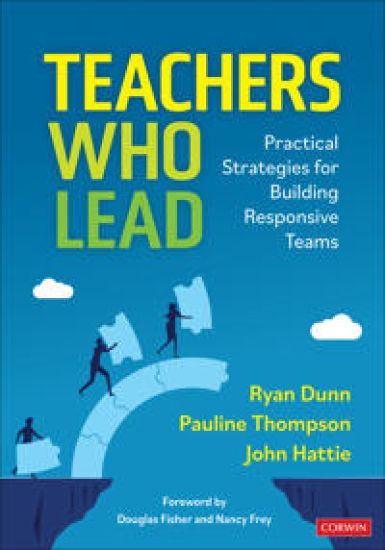
Support colleagues, inspire collaboration, and drive impactful school improvement. Designed for instructional coaches, grade-level leaders, subject coordinators, and team leaders, Teachers Who Lead highlights proven strategies to enhance teaching practices, foster collaboration, and impact student learning on a broader scale. Drawing from the latest research on teacher leadership, school improvement, and real-world experiences, this practical guide emphasizes the essential skills and mindsets required to bridge teaching excellence and schoolwide leadership efforts. Key features include Diagnostic tools to address complex educational challenges Strategies to create shared high-quality resources that reduce workload and promote consistency Collaborative leadership techniques to strengthen team dynamics and foster collective teacher efficacy Real-world success stories offering insights into what works in educational leadership Reflection questions to apply the book’s ideas in your unique school context Whether you’re just beginning your leadership role or have been supporting colleagues for years, authors Ryan Dunn, Pauline Thompson, and John Allan Hattie provide actionable strategies to build confidence, promote student improvement, and make lasting contributions to your school.
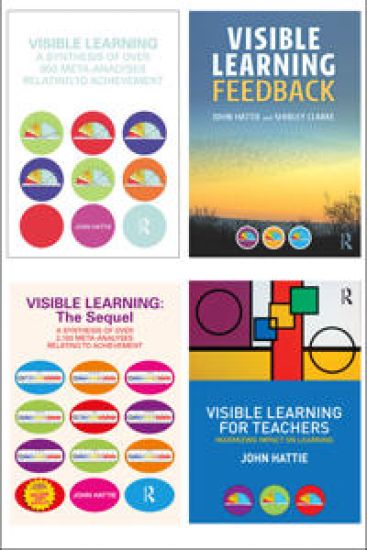
Hattie’s extensive research shows teachers the power of feedback and how to improve outcomes for both teacher and child. Visible Learning (97804154761880) - This unique and ground-breaking book is the result of 15 years of research and synthesises over 800 meta-analyses on the influences on achievement in school-aged students. It builds a story about the power of feedback and gives teachers a tried and tested research-based model of learning and understanding.Visible Learning: The Sequel (9781032462035) - Building upon the success of the original, this highly anticipated sequel features a massively extended research base and is informed by real world examples and impacts.Visible Learning: Feedback (9781138599895) - Combining research excellence, theory and vast teaching expertise, plus numerous case studies and examples, this book covers the principles and practicalities of feedback to improve learning.Visible Learning for Teachers (9780415690157) - written for both trainees and qualified teachers, this book explains how to apply the principles of Visible Learning to any classroom setting to improve student outcomes.Together, these books form essential reading for anyone involved in the field of education either as a teacher, school leader, education student, researcher or policy maker.
Listening—the most underrated skill in education Listening—the process of actively receiving, constructing meaning from, and responding to spoken or non-verbal messages—is essential for teaching and learning. How can we check for understanding and ensure that students’ contributions are heard and understood by peers and teachers? In Learning to Listen and Listening to Learn, bestselling authors and internationally respected educators John Hattie and Lyn Sharratt demonstrate how listening can foster positive relationships, trust, and understanding while enhancing student learning. With a wealth of research to guide educators through the process of infusing active, sensitive, and empathetic listening skills into the classroom and school culture, this important guide includes: The Visible CLARITY 5-Ear Listening ModelReflection prompts and mantras to help reinforce key learnings from each chapterGuidance on how to assess and enhance leaders', teachers', and students' listening skills When we value every student's voice, we create an inclusive environment that encourages diverse perspectives, fosters equity, and develops accurate listening, empowering students to articulate their thoughts and enhancing skills they will use for their lifetimes.
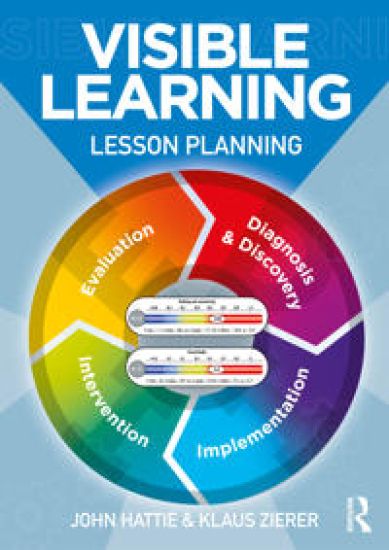
In Visible Learning: Lesson Planning, John Hattie and Klaus Zierer make explicit how to implement the world-famous Visible Learning® research into the bedrock of teaching and preparation – lesson planning.By implementing the Visible Learning® data in everyday teaching, this book provides a practical guide to lesson planning that is unique and objective. Important planning steps are explained and described using example lessons in several different subjects. Success criteria are described, and simple strategies to implement, intervene with, and evaluate lessons effectively are provided including, critically, how to switch from surface to deep learning and back again. This book:combines the largest body of empirical educational research to date (now informed by more than 2,100 meta-analyses and implementation in thousands of classrooms globally) with the everyday task of lesson planningincludes empirical research on teaching and learning as well as theoretical studies on lesson planningis orientated toward the phases of analysis, planning, implementation, and evaluation of a lessonillustrates theoretical principles and empirical research results using a specific lessonprovides advice for learners, parents, school administrators, and teachersoffers numerous opportunities for consolidation through in-depth tasks at the levels of surface understanding and deep understandingfollows evidence-based criteria for the successful professionalization of teachersThis powerful and essential guide, which includes model plans, exercises, and checklists, will show any school how to implement Hattie’s research to maximize student success.
In Visible Learning: Lesson Planning, John Hattie and Klaus Zierer make explicit how to implement the world-famous Visible Learning® research into the bedrock of teaching and preparation – lesson planning.By implementing the Visible Learning® data in everyday teaching, this book provides a practical guide to lesson planning that is unique and objective. Important planning steps are explained and described using example lessons in several different subjects. Success criteria are described, and simple strategies to implement, intervene with, and evaluate lessons effectively are provided including, critically, how to switch from surface to deep learning and back again. This book:combines the largest body of empirical educational research to date (now informed by more than 2,100 meta-analyses and implementation in thousands of classrooms globally) with the everyday task of lesson planningincludes empirical research on teaching and learning as well as theoretical studies on lesson planningis orientated toward the phases of analysis, planning, implementation, and evaluation of a lessonillustrates theoretical principles and empirical research results using a specific lessonprovides advice for learners, parents, school administrators, and teachersoffers numerous opportunities for consolidation through in-depth tasks at the levels of surface understanding and deep understandingfollows evidence-based criteria for the successful professionalization of teachersThis powerful and essential guide, which includes model plans, exercises, and checklists, will show any school how to implement Hattie’s research to maximize student success.
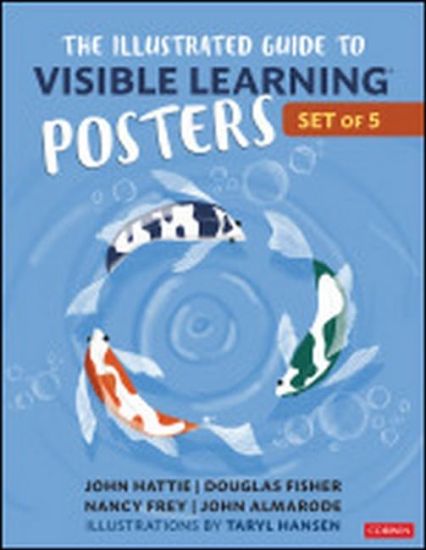
Pulled from the pages of the bestselling book The Illustrated Guide to Visible Learning, this colorful and practical 5-pack of posters is ready to brighten your classroom walls and highlight five important signature practices of Visible Learning: classroom and school climate, teacher clarity, teaching students to drive their learning, practice and overlearning, and feedback.
This new and updated edition of 10 Mindframes for Visible Learning revisits the ten behaviours or mindframes that teachers need to adopt in order to maximize student success. These powerful mindframes, which should underpin every action in schools, are founded on the principle that teachers are evaluators, change agents, learning experts, and seekers of feedback who are constantly engaged with dialogue and challenge. The ten mindframes include:thinking of and evaluating your impact on students’ learningthe importance of assessment and feedback to inform teachersworking collaboratively and the sense of communitythe notion that learning needs to be challenging and errors seen as opportunities to learnengaging in dialogue and the correct balance between talking and listeningconveying the success criteria to learnersbuilding positive relationshipsThis new edition now uses the much larger meta-analysis dataset (over 2,100 meta-analyses rather than 900) and incorporates new research, particularly with reference to digital technologies, evaluative thinking, and the lessons learned from large-scale school implementation of visible learning. Furthermore, thanks to "Visible Learning +", this book includes concrete, scientifically accompanied processes. Specifically, this means updated data, expanded chapters to include factors that clarify the core message of the mindframes, and explanations of the concrete examples that are research-proven to be most effective.This updated essential guide, which includes questionnaires, scenarios, checklists, and exercises, will show any school exactly how to implement Hattie’s mindframes to maximize student success.
This new and updated edition of 10 Mindframes for Visible Learning revisits the ten behaviours or mindframes that teachers need to adopt in order to maximize student success. These powerful mindframes, which should underpin every action in schools, are founded on the principle that teachers are evaluators, change agents, learning experts, and seekers of feedback who are constantly engaged with dialogue and challenge. The ten mindframes include:thinking of and evaluating your impact on students’ learningthe importance of assessment and feedback to inform teachersworking collaboratively and the sense of communitythe notion that learning needs to be challenging and errors seen as opportunities to learnengaging in dialogue and the correct balance between talking and listeningconveying the success criteria to learnersbuilding positive relationshipsThis new edition now uses the much larger meta-analysis dataset (over 2,100 meta-analyses rather than 900) and incorporates new research, particularly with reference to digital technologies, evaluative thinking, and the lessons learned from large-scale school implementation of visible learning. Furthermore, thanks to "Visible Learning +", this book includes concrete, scientifically accompanied processes. Specifically, this means updated data, expanded chapters to include factors that clarify the core message of the mindframes, and explanations of the concrete examples that are research-proven to be most effective.This updated essential guide, which includes questionnaires, scenarios, checklists, and exercises, will show any school exactly how to implement Hattie’s mindframes to maximize student success.
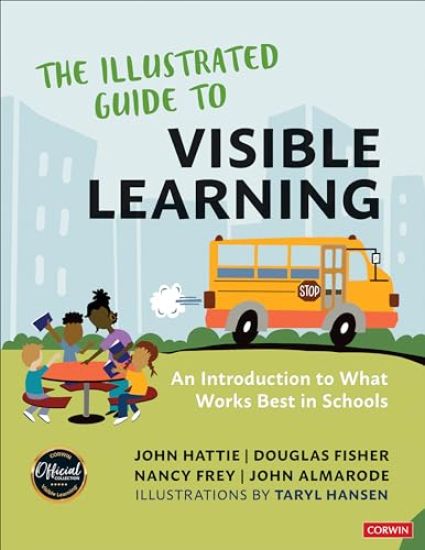
The Path to Truly Impactful Practice in Education Starts with Visible Learning It may seem obvious, but learning should never be implied or assumed. Learning must be explicit, evaluated and monitored; the impact of teaching on student learning should be visible. But how can we be sure? Armed with years of research that includes more than 2,100 meta-analyses, and 130,000 studies that include more than 300 million students—plus decades of experience as educators —bestselling authors John Hattie, Douglas Fisher, Nancy Frey, and John Almarode have collaborated to create this accessible guide to what works best to accelerate students' learning. Packed with everything you need to evaluate your impact, the Illustrated Guide to Visible Learning includes: Clear instructions for collecting, interpreting, and using evidence to make decisions with and for your studentsA primer on the 11 signature practices of Visible LearningResearch-backed mindframes that have the potential to significantly influence the quality of education. To have the greatest impact on student learning, we must know what practices work best. With this illustrated go-to guide to Visible Learning in hand, your path is set for truly impactful practice in education.
The essentials for creating a supportive and inclusive space for all Learning is hard work and the latest education research shows that a sense of psychological safety is a must if we want students to successfully progress along their education journey. In Mindframes for Belonging, Identities, and Equity, you'll discover 10 unique mindframes backed by extensive education research and real-life scenarios. Through self-reflection and powerful vignettes, you'll learn how to apply these core principles in your daily life to foster a more inclusive and understanding learning environment. Inside, the authors explore the five critical themes behind these mindframes, including Impact and EfficiencyFeedback and AssessmentChallenging GrowthLearning Culture and RelationshipsOwnership and Accountability Harnessing the power of these mindframes is not just about improving education--it's about fostering an environment where every student feels valued, safe, and able to learn without fear.
Everything you need to create a high-trust, high-achieving learning environment for multilingual students We have never known more than we do now about teaching multilingual students — nevertheless, we teeter on the edge of retreating to old-think practices. The next generation depends upon our getting this right, and this spare, salient guide helps ensure we do. Kids Come in All Languages provides teachers and leaders with all they need to design high-quality curriculum to support multilingual learners. With this book, learn to: Create a low-anxiety, high-expectation classroom climate that gives multilingual students access to engaging grade-level contentPlan clear, cohesive lessons and tasks that motivate students to produce language, use critical thinking skills, and access complex textsOffer ample time for student-led talk that ramps up knowledge and amps up a sense of belongingUse heterogeneous, flexible grouping so children acquiring English don’t stall out in fixed-mindset, below-grade level groupsAnd much more Teachers act like tributaries, helping learners access a wider stream of knowledge, and catch the swift current of wanting to learn. It’s time to envision this expansiveness for multilingual students. It’s time to design learning experiences with optimism for their futures.
High levels of engagement—it’s not an impossible dream. But to attain it we need to focus on what galvanizes learning, and ensure we are offering the tools and mindsets with which students can lean in. In this playbook, an ace team of educators give us the goods to guide self-starting learners. Nine modules show us how to: Coherent standards, success criteria, tasks, and goals so students can travel clear pathwaysOffer tools that allow learners to recognize the gap between their current performance and the expected performance, and select strategies to close that gapTalk with students about engagement as a continuum, and that there are actions they can take to heighten their buy-in to any endeavorStress-test our lesson plans to ensure students can discuss, debate, create and problem-solve around highly relevant contentUse lots of low-stakes assessment and feedback routines to develop effective collaboration that doesn’t depend on us. Our job as teachers is to guide learning experiences that build knowledge and self-efficacy. But from there, we need to stay on the sidelines and let students play. Only then will they develop the muscle to persevere, the strategic actions to excel, and the confidence to make our curriculum the springboard of their own dreams and goals.