Kirjojen hintavertailu. Mukana 12 657 676 kirjaa ja 12 kauppaa.
Kirjailija
John J Drennan
Kirjat ja teokset yhdessä paikassa: 10 kirjaa, julkaisuja vuosilta 2019-2025, suosituimpien joukossa Anticipating Flashpoints with Russia. Vertaile teosten hintoja ja tarkista saatavuus suomalaisista kirjakaupoista.
Elizabeth M Bartels; David A Ochmanek; Nathaniel Edenfield; Brien Alkire; Katherine Anania; Michael Bohnert; Julia Brackup; Hannah Jane Byrne; Rachel Costello; Alyssa Demus; John J Drennan; Emily Ellinger; David R Frelinger; Michelle Grisé; Russell Hanson; Mace Moesner; Stephanie Pezard; Stephanie Anne Pillion; Clint Reach; Melissa Shostak; Gabrielle Tarini; Abbie Tingstad
This report describes the 2021 U.S. Air Force-sponsored Plan Blue game, which examined competition against Russia in the Arctic with a focus on the role of sensing in competition and featured robust participation from regional partners and allies. The purpose of the game was to increase understanding of the capabilities, postures, and alliance command, control, and communication relationships that may be called for in future Arctic operations.
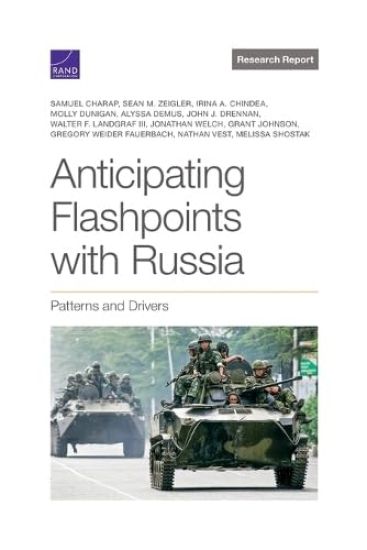
Samuel Charap; Sean M Zeigler; Irina a Chindea; Molly Dunigan; Alyssa Demus; John J Drennan; Walter F Landgraf; Jonathan Welch; Grant Johnson; Gregory Weider Fauerbach; Nathan Vest; Melissa Shostak
The authors sought to identify possible Russian flashpoints in Europe that could entangle the United States. Using quantitative and qualitative methods to analyze historical data on Russian disputes and conflicts, they identified the key drivers of such flashpoints. They derive planning implications for the United States and the U.S. Army in particular. This research was completed prior to Russia's full-scale invasion of Ukraine in February 2022.
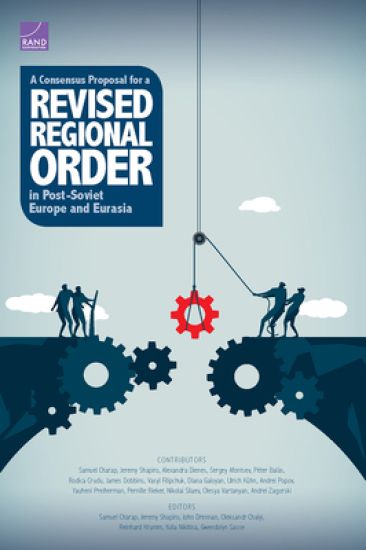
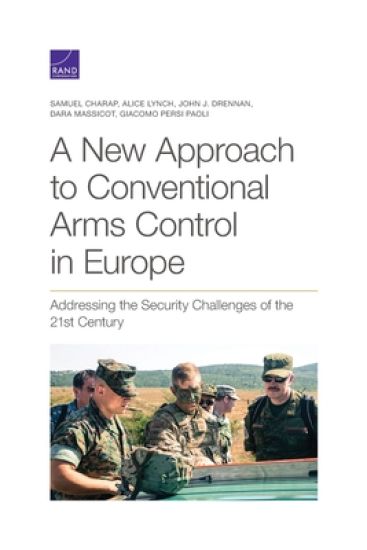
Disputes over the regional order in post-Soviet Europe and Eurasia are at the core of the breakdown in relations between Russia and the West and have created major security and economic challenges for states caught in between. The authors of this volume propose a new approach to the regional order that bridges current disagreements on the security architecture, economic integration, and regional conflicts.
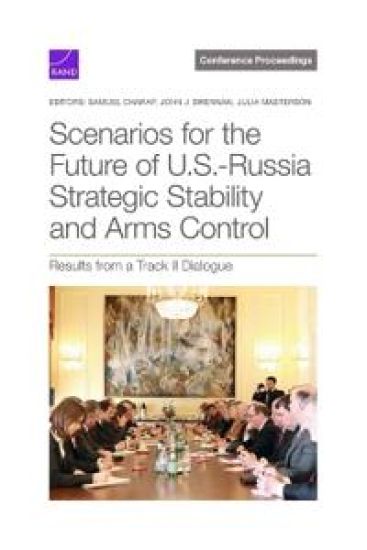
This paper explores the possibilities for future arms control between the United States and Russia under different scenarios. The findings are based on a series of discussions involving nongovernmental experts from the two countries.
The authors of this report draw on Russian-language sources to examine trends in Russian personnel policies and initiatives from the 1990s through December 2021, prior to Russia's February 2022 invasion of Ukraine. They review the pervasive challenges within the Russian military to modernizing its personnel policies and evaluate reform efforts of the late 2000s through 2021, when major military reforms were implemented.
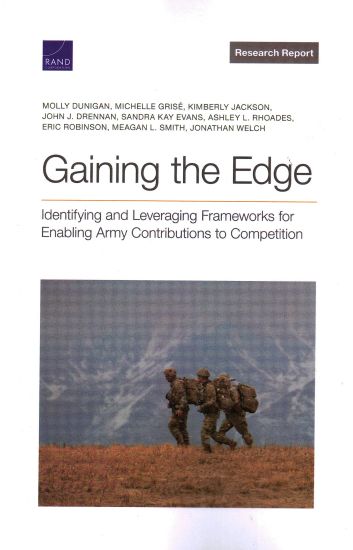
Competition with near peers has become the defining U.S. national security priority in recent years, requiring the U.S. Army to rethink its roles and responsibilities. In support of Army efforts to better contribute to DoD's response to competition challenges, the authors reviewed relevant documentation; interviewed subject-matter experts; and examined overlaps between the existing supply of Army capabilities and the demands of competition.
U.S.-Russia strategic stability is based on mutual vulnerability to retaliation, which eliminates the incentive to strike first. Yet the United States has developed capabilities that Moscow fears could be used for a first strike. These threat perceptions have become a significant source of instability. The authors examine the origins of this dynamic and its impact on bilateral stability and evaluate policy changes that could mitigate that impact.
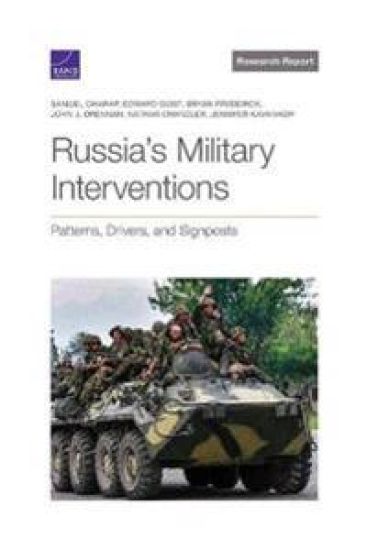
Despite Russia's relatively small global economic footprint, it has engaged in more interventions than any other U.S. competitor since the end of the Cold War. In this report, the authors assess when, where, and why Russia conducts military interventions by analyzing the 25 interventions that Russia has undertaken since 1991, including detailed case studies of the 2008 Russia-Georgia War and Moscow's involvement in the ongoing Syrian civil war.