Kirjojen hintavertailu. Mukana 12 390 323 kirjaa ja 12 kauppaa.

Kirjailija

John K. Gilbert

Kirjat ja teokset yhdessä paikassa: 6 kirjaa, julkaisuja vuosilta 2005-2019, suosituimpien joukossa Modelling-based Teaching in Science Education. Vertaile teosten hintoja ja tarkista saatavuus suomalaisista kirjakaupoista.

6 kirjaa

Kirjojen julkaisuhaarukka 2005-2019.

Modelling-based Teaching in Science Education

Modelling-based Teaching in Science Education

John K. Gilbert; Rosária Justi

Springer International Publishing AG
2018
nidottu
This book argues that modelling should be a component of all school curricula that aspire to provide ‘authentic science education for all’. The literature on modelling is reviewed and a ‘model of modelling’ is proposed. The conditions for the successful implementation of the ‘model of modelling’ in classrooms are explored and illustrated from practical experience. The roles of argumentation, visualisation, and analogical reasoning, in successful modelling-based teaching are reviewed. The contribution of such teaching to both the learning of key scientific concepts and an understanding of the nature of science are established. Approaches to the design of curricula that facilitate the progressive grasp of the knowledge and skills entailed in modelling are outlined. Recognising that the approach will both represent a substantial change from the ‘content-transmission’ approach to science teaching and be in accordance with current best-practice in science education, the design of suitable approaches to teacher education are discussed. Finally, the challenges that modelling-based education pose to science education researchers, advanced students of science education and curriculum design, teacher educators, public examiners, and textbook designers, are all outlined.
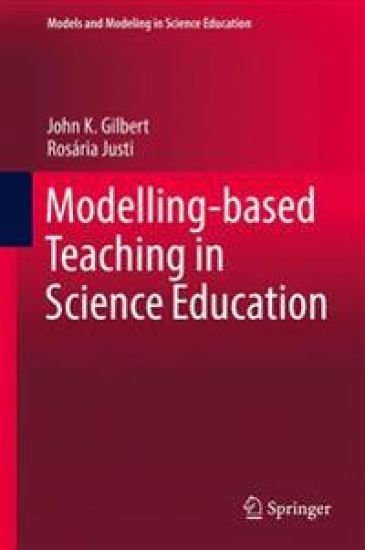
Modelling-based Teaching in Science Education

Modelling-based Teaching in Science Education

John K. Gilbert; Rosária Justi

Springer International Publishing AG
2016
sidottu
This book argues that modelling should be a component of all school curricula that aspire to provide ‘authentic science education for all’. The literature on modelling is reviewed and a ‘model of modelling’ is proposed. The conditions for the successful implementation of the ‘model of modelling’ in classrooms are explored and illustrated from practical experience. The roles of argumentation, visualisation, and analogical reasoning, in successful modelling-based teaching are reviewed. The contribution of such teaching to both the learning of key scientific concepts and an understanding of the nature of science are established. Approaches to the design of curricula that facilitate the progressive grasp of the knowledge and skills entailed in modelling are outlined. Recognising that the approach will both represent a substantial change from the ‘content-transmission’ approach to science teaching and be in accordance with current best-practice in science education, the design of suitable approaches to teacher education are discussed. Finally, the challenges that modelling-based education pose to science education researchers, advanced students of science education and curriculum design, teacher educators, public examiners, and textbook designers, are all outlined.
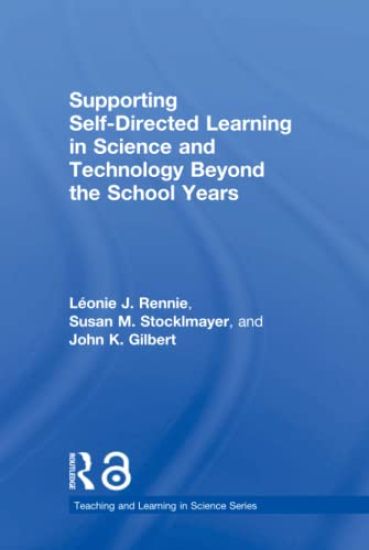
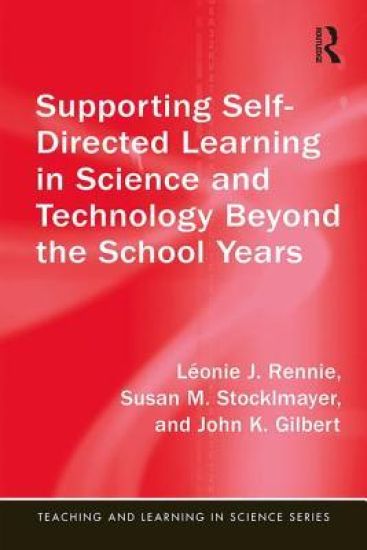
Supporting Self-Directed Learning in Science and Technology Beyond the School Years

Supporting Self-Directed Learning in Science and Technology Beyond the School Years

Léonie J. Rennie; Susan M. Stocklmayer; John K. Gilbert

Routledge
2019
sidottu
While much has been written about science education from pre-K through to postgraduate study, interaction with science and technology does not stop when schooling ends. Moving beyond scholarship on conventional education, this book extends the research and provides an original in-depth look at adult and lifelong learning in science and technology. By identifying the knowledge and skills that individuals need to engage in self-directed learning, the book highlights how educators can best support adult learners beyond the years of formal schooling. Through case studies and empirical analysis, the authors offer a research-based exploration of adults’ self-directed learning and provide tools to support adults’ learning experiences in a wide range of environments while being inclusive of all educational backgrounds.
Supporting Self-Directed Learning in Science and Technology Beyond the School Years

Supporting Self-Directed Learning in Science and Technology Beyond the School Years

Léonie J. Rennie; Susan M. Stocklmayer; John K. Gilbert

Routledge
2019
nidottu
While much has been written about science education from pre-K through to postgraduate study, interaction with science and technology does not stop when schooling ends. Moving beyond scholarship on conventional education, this book extends the research and provides an original in-depth look at adult and lifelong learning in science and technology. By identifying the knowledge and skills that individuals need to engage in self-directed learning, the book highlights how educators can best support adult learners beyond the years of formal schooling. Through case studies and empirical analysis, the authors offer a research-based exploration of adults’ self-directed learning and provide tools to support adults’ learning experiences in a wide range of environments while being inclusive of all educational backgrounds.
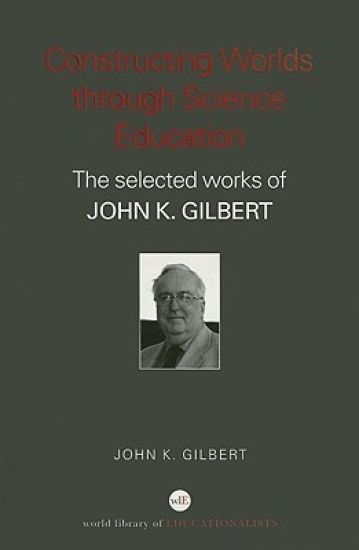
Constructing Worlds through Science Education
Internationally renowned and award-winning author John Gilbert has spent the last thirty years researching, thinking and writing about some of the central and enduring issues in science education. He has contributed over twenty books and 400 articles to the field and is Editor-in-Chief of the International Journal of Science Education. For the first time he brings together sixteen of his key writings in one volume.This unique book highlights important shifts in emphasis in science education research, the influence of important individuals and matters of national and international concern. All this is interwoven in the following four themes:explanation, models and modeling in science educationrelating science education and technology educationinformal education in science and technology alternative conceptions and science education.
Constructing Worlds through Science Education
Internationally renowned and award-winning author John Gilbert has spent the last thirty years researching, thinking and writing about some of the central and enduring issues in science education. He has contributed over twenty books and 400 articles to the field and is Editor-in-Chief of the International Journal of Science Education. For the first time he brings together sixteen of his key writings in one volume.This unique book highlights important shifts in emphasis in science education research, the influence of important individuals and matters of national and international concern. All this is interwoven in the following four themes:explanation, models and modeling in science educationrelating science education and technology educationinformal education in science and technology alternative conceptions and science education.