Kirjojen hintavertailu. Mukana 12 595 353 kirjaa ja 12 kauppaa.

Kirjailija

John L. Esposito

Kirjat ja teokset yhdessä paikassa: 22 kirjaa, julkaisuja vuosilta 1990-2021, suosituimpien joukossa What Everyone Needs to Know about Islam. Vertaile teosten hintoja ja tarkista saatavuus suomalaisista kirjakaupoista.

Mukana myös kirjoitusasut: John L Esposito

22 kirjaa

Kirjojen julkaisuhaarukka 1990-2021.

The Racial Muslim

The Racial Muslim

Sahar F. Aziz; John L Esposito

University of California Press
2021
pokkari
Why does a country with religious liberty enmeshed in its legal and social structures produce such overt prejudice and discrimination against Muslims? Sahar Aziz’s groundbreaking book demonstrates how race and religion intersect to create what she calls the Racial Muslim. Comparing discrimination against immigrant Muslims with the prejudicial treatment of Jews, Catholics, Mormons, and African American Muslims during the twentieth century, Aziz explores the gap between America’s aspiration for and fulfillment of religious freedom. With America’s demographics rapidly changing from a majority white Protestant nation to a multiracial, multireligious society, this book is an in dispensable read for understanding how our past continues to shape our present—to the detriment of our nation’s future.
The Racial Muslim

The Racial Muslim

Sahar F. Aziz; John L Esposito

University of California Press
2021
sidottu
Why does a country with religious liberty enmeshed in its legal and social structures produce such overt prejudice and discrimination against Muslims? Sahar Aziz’s groundbreaking book demonstrates how race and religion intersect to create what she calls the Racial Muslim. Comparing discrimination against immigrant Muslims with the prejudicial treatment of Jews, Catholics, Mormons, and African American Muslims during the twentieth century, Aziz explores the gap between America’s aspiration for and fulfillment of religious freedom. With America’s demographics rapidly changing from a majority white Protestant nation to a multiracial, multireligious society, this book is an in dispensable read for understanding how our past continues to shape our present—to the detriment of our nation’s future.
World Religions Today

World Religions Today

John L. Esposito; Darrell J. Fasching; Todd T. Lewis

Oxford University Press
2021
nidottu
Revealing the significance of religion in contemporary life, World Religions Today, Seventh Edition, explores major religious traditions--Judaism, Christianity, Islam, Hinduism, Buddhism, South Asian religions, East Asian religions, indigenous religions, and new religions--as dynamic, ongoing forces in the lives of individuals and in the collective experience of modern societies. This unique volume accomplishes two goals: it connects today's religions to their classical beliefs and practices and focuses on how these religions have both radically changed the modern world and been changed by it. The book is enhanced by numerous pedagogical aids--text boxes, timelines, maps, illustrations, discussion questions, a comprehensive glossary of key terms, and suggestions for further reading--and more than 200 photographs.
Shariah

Shariah

John L. Esposito; Natana J. DeLong-Bas

Oxford University Press Inc
2018
nidottu
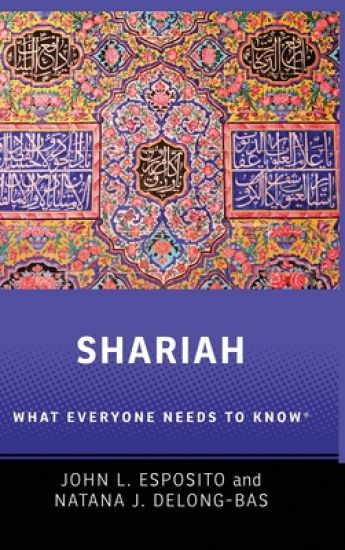
Shariah is by now a term that most Americans and Europeans recognize, though few really understand what it means. Often portrayed as a medieval system used by religious zealots to oppress women and deny human rights, conservative politicians, media commentators, and hardline televangelists stoke fear by promoting the idea that Muslims want to impose a repressive Shariah rule in America and Europe. Despite the breadth of this propaganda, a majority of Muslims-men and women-support Shariah as a source of law. In fact, for many centuries Shariah has functioned for Muslims as a positive source of guidance, providing a moral compass for individuals and society. This critical new book by John L. Esposito and Natana Delong-Bas aims to serve as a guide for what everybody needs to know in the conversation about Shariah, responding to misunderstandings and distortions, and offering answers to questions about the origin, nature, and content of Shariah.
Shariah

Shariah

John L. Esposito; Natana J. DeLong-Bas

Oxford University Press Inc
2018
sidottu
Shariah is by now a term that most Americans and Europeans recognize, though few really understand what it means. Often portrayed as a medieval system used by religious zealots to oppress women and deny human rights, conservative politicians, media commentators, and hardline televangelists stoke fear by promoting the idea that Muslims want to impose a repressive Shariah rule in America and Europe. Despite the breadth of this propaganda, a majority of Muslims-men and women-support Shariah as a source of law. In fact, for many centuries Shariah has functioned for Muslims as a positive source of guidance, providing a moral compass for individuals and society. This critical new book by John L. Esposito and Natana Delong-Bas aims to serve as a guide for what everybody needs to know in the conversation about Shariah, responding to misunderstandings and distortions, and offering answers to questions about the origin, nature, and content of Shariah.
Islam

Islam

John L. Esposito

Oxford University Press Inc
2016
nidottu
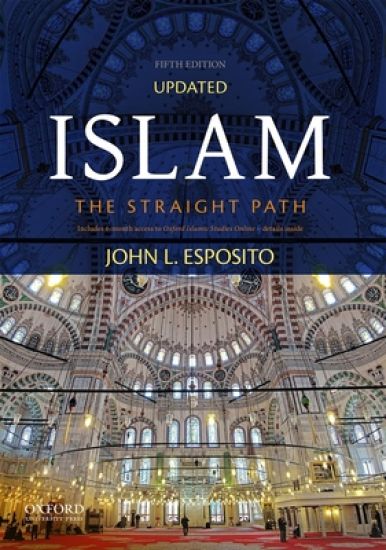
This exceptionally successful survey text introduces the teachings and practice of Islam from its earliest origins up to its contemporary practice. John L. Esposito, an internationally renowned expert on Islam, traces the development of Islam and its impact on world history and politics. Lucidly written and expansive in scope, Islam: The Straight Path, Updated Fifth Edition, provides keen insight into one of the world's least understood religions. It is ideally suited for use in courses on Islam, world religions, comparative religions, and Middle East history and culture. A FREE 6-month subscription to Oxford Islamic Studies Online (www.oxfordislamicstudies.com), edited by John L. Esposito, is included with the purchase of every new copy of this text.
Islam and Democracy after the Arab Spring

Islam and Democracy after the Arab Spring

John L. Esposito; Tamara Sonn; John O. Voll

Oxford University Press Inc
2016
sidottu
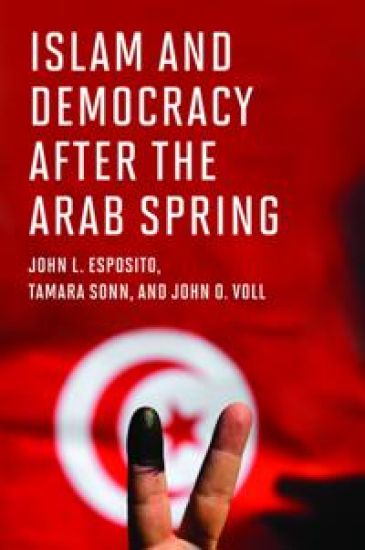
In late 2010, the wave of civil resistance known as the Arab Spring stunned the world as dictatorships in Tunisia, Egypt, and Libya were overthrown, while the regimes of Bahrain, Syria, and Yemen brutally suppressed their own revolutions. The Islamic political parties of Tunisia and Egypt have gained particular attention for their success in the national elections following the overthrow of their regimes, and similar electoral success has been seen in Morocco and is predicted throughout the Arab world and beyond in the broader Middle East and in Southeast Asia. While the opposition movements of the Arab Spring are distinctive, each has raised questions regarding equality, economic justice, democratic participation, and the relationship between Islam and democracy in their respective countries, such as: does democracy require a secular political regime? And are religious movements the most effective opponents of authoritarian secularist regimes? The argument that that Islamic political groups' participation in democratic processes is only a ruse to actually impose an anti-democratic theocracy once in power continues to be made, often by former political and economic elites and secularists who would prefer a secularist autocracy to a democracy in which religious parties might control the government. In Islam and Democracy after the Arab Spring, renowned Islamic Studies and History scholars John Esposito, Tamara Sonn, and John Voll examine these uprisings and the democratic process in the Muslim world, while also analyzing the larger relationship between religion and politics. Expanding upon issues initially raised by Esposito and Voll in the mid-1990s with Islam and Democracy, Islam and Democracy after the Arab Spring applies a twenty-first century perspective to the question of whether or not Islam is "compatible" with democracy by redirecting the conversation towards a new politic of democracy that transcends both secular authoritarianism and Political Islam.
Europe and the Islamic World

Europe and the Islamic World

John Tolan; Henry Laurens; Gilles Veinstein; John L. Esposito

Princeton University Press
2015
pokkari
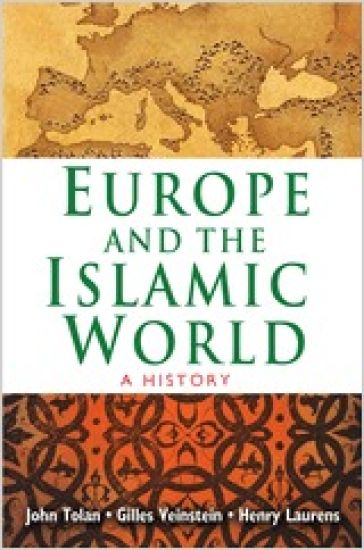
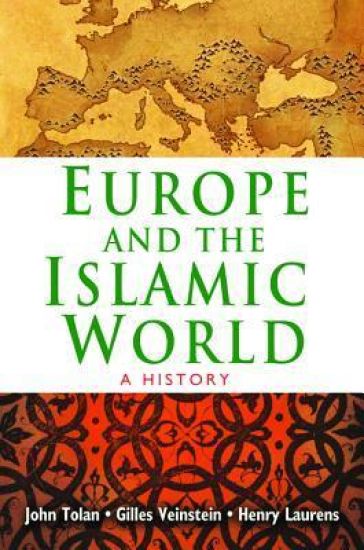
Europe and the Islamic World sheds much-needed light on the shared roots of Islamic and Western cultures and on the richness of their inextricably intertwined histories, refuting once and for all the misguided notion of a "clash of civilizations" between the Muslim world and Europe. In this landmark book, three eminent historians bring to life the complex and tumultuous relations between Genoans and Tunisians, Alexandrians and the people of Constantinople, Catalans and Maghrebis--the myriad groups and individuals whose stories reflect the common cultural, intellectual, and religious heritage of Europe and Islam. Since the seventh century, when the armies of Constantinople and Medina fought for control of Syria and Palestine, there has been ongoing contact between the Muslim world and the West. This sweeping history vividly recounts the wars and the crusades, the alliances and diplomacy, commerce and the slave trade, technology transfers, and the intellectual and artistic exchanges. Here readers are given an unparalleled introduction to key periods and events, including the Muslim conquests, the collapse of the Byzantine Empire, the commercial revolution of the medieval Mediterranean, the intellectual and cultural achievements of Muslim Spain, the crusades and Spanish reconquest, the rise of the Ottomans and their conquest of a third of Europe, European colonization and decolonization, and the challenges and promise of this entwined legacy today. As provocative as it is groundbreaking, this book describes this shared history in all its richness and diversity, revealing how ongoing encounters between Europe and Islam have profoundly shaped both.
The Future of Islam

The Future of Islam

John L. Esposito

Oxford University Press Inc
2013
nidottu
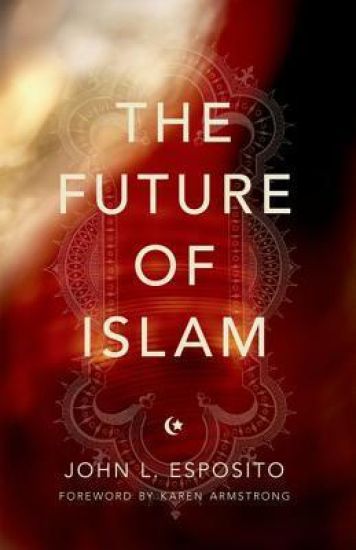
John L. Esposito is one of America's leading authorities on Islam. In this brilliant portrait of Islam today-- and tomorrow-- he draws on a lifetime of thought and research to provide an accurate, richly nuanced, and revelatory account of the fastest growing religion in the world. Here Esposito explores the major questions and issues that face Islam in the 21st century and that will deeply affect global politics: Is Islam compatible with modern notions of democracy, rule of law, gender equality, and human rights? How representative and widespread is Islamic fundamentalism and the threat of global terrorism? Can Muslim minority communities be loyal citizens in America and Europe? In the midst of these questions Esposito places an important emphasis on the issue of Islamophobia, the threat it poses, and its vast impact on politics and society in the US and Europe. He also turns the mirror on the US and Europe and paints a revealing portrait of how we appear to Muslims. Recent decades have brought extraordinary changes in the Muslim world, and in addressing these issues, Esposito paints a complex picture of Islam in all its diversity--a picture of urgent importance as we face the challenges of the coming century.
Europe and the Islamic World

Europe and the Islamic World

John Tolan; Henry Laurens; Gilles Veinstein; John L. Esposito

Princeton University Press
2012
sidottu
Europe and the Islamic World sheds much-needed light on the shared roots of Islamic and Western cultures and on the richness of their inextricably intertwined histories, refuting once and for all the misguided notion of a "clash of civilizations" between the Muslim world and Europe. In this landmark book, three eminent historians bring to life the complex and tumultuous relations between Genoans and Tunisians, Alexandrians and the people of Constantinople, Catalans and Maghrebis--the myriad groups and individuals whose stories reflect the common cultural, intellectual, and religious heritage of Europe and Islam. Since the seventh century, when the armies of Constantinople and Medina fought for control of Syria and Palestine, there has been ongoing contact between the Muslim world and the West. This sweeping history vividly recounts the wars and the crusades, the alliances and diplomacy, commerce and the slave trade, technology transfers, and the intellectual and artistic exchanges. Here readers are given an unparalleled introduction to key periods and events, including the Muslim conquests, the collapse of the Byzantine Empire, the commercial revolution of the medieval Mediterranean, the intellectual and cultural achievements of Muslim Spain, the crusades and Spanish reconquest, the rise of the Ottomans and their conquest of a third of Europe, European colonization and decolonization, and the challenges and promise of this entwined legacy today. As provocative as it is groundbreaking, this book describes this shared history in all its richness and diversity, revealing how ongoing encounters between Europe and Islam have profoundly shaped both.
What Everyone Needs to Know about Islam

What Everyone Needs to Know about Islam

John L. Esposito

Oxford University Press Inc
2011
sidottu
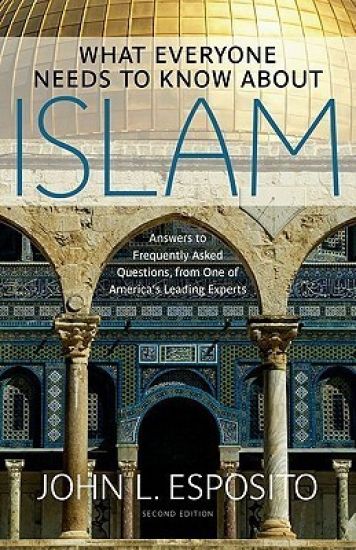
Since the terrorist attacks of September 11th, there has been an overwhelming demand for information about Islam, and recent events - the war in Iraq, terrorist attacks both failed and successful, debates throughout Europe over Islamic dress, and many others - have raised new questions in the minds of policymakers and the general public. This newly updated edition of What Everyone Needs to Know about Islam is the best single source for clearly presented, objective information about these new developments, and for answers to questions about the origin and traditions of Islam. Editor of The Oxford Encyclopedia of Modern Islam and The Oxford History of Islam, and author of The Future of Islam and many other acclaimed works, John L. Esposito is one of America's leading authorities on Islam. This brief and readable book remains the first place to look for up-to-date information on the faith, customs, and political beliefs of the more than one billion people who call themselves Muslims.
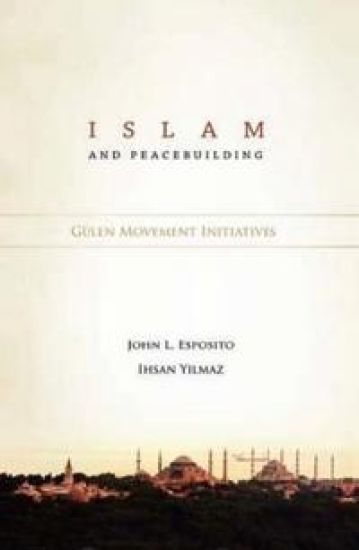
Islam & Peacebuilding

Islam & Peacebuilding

John L Esposito; Ihsan Yilmaz

Blue Dome Press
2010
sidottu
The exploration of the contributions is made with regards to the title in hand by the thought and practice of the global movement associated with the Turkish Muslim scholar Fethullah Gulen. The importance and distinctiveness of teaching of Gulen and the practice of the movement is that it is rooted in a confident Turkish Islamic heritage while being fully engaged with modernity. It offers the possibility of a contextualised renewal of Islam for Muslims in the modern world while being fully rooted in the teachings of the Qu'ran and the Sunnah of the Prophet. It advocates the freedom of religion while making an Islamic contribution to the wider society based on a commitment to service of others.
Who Speaks for Islam?

Who Speaks for Islam?

John L. Esposito; Dalia Mogahed

Gallup Press
2008
sidottu
The religion of Islam and the mainstream Muslim majority have been conflated with the beliefs and actions of an extremist minority. The result was reflected in a USA Today/Gallup Poll which found substantial minorities of Americans admitting to negative feelings or prejudice against Muslims.The vital missing piece among the many voices weighing in on this question is the actual views of Muslim publics.Who Speaks for Islam? is about this silenced majority. It is the product of a mammoth research study undertaken over six years by the Gallup Organization. Gallup conducted tens of thousands of hour-long face to face interviews with residents of more than 35 predominantly Muslim nations. In totality we surveyed a sample representing over 90% of the world’s 1.3 billion Muslims, making this the largest, most comprehensive study of contemporary Muslims ever done.
Asian Islam in the 21st Century

Asian Islam in the 21st Century

John L. Esposito; John Voll; Osman Bakar

Oxford University Press Inc
2007
sidottu
Although more than half of the world's Muslims live in Asia, most books on contemporary Islam focus on the Middle East, giving short shift to the dynamic and diverse presence of Asian Islam in regional and global politics. The Muslims of Asia constitute the largest Muslim communities in the world - Indonesia, Pakistan, Bangladesh, India and Central Asia. In recent years, terrorist bombings in Bali, separatist conflicts in Thailand and the Philippines, and opposition politics in Central Asia, all point to the strategic importance of Asian Islam. In Asian Islam in the 21st Century, terrorism and its effects are placed within the broader context of Muslim politics and how Islamic ideals and movements, mainstream and extremist, have shaped Asian Muslim societies. Democratization experiments -- successful and unsuccessful -- are examined. The rise of radical militant movements is analyzed and placed in historical perspective. The result is an insightful portrait of the rich diversity of Muslim politics and discourse that continue to affect Asian Muslim majority and minority countries. Specialists and students of Islamic studies, religion and international affairs, and comparative politics as well as general readers will benefit from this sorely needed comprehensive analysis of a part of the world that has become increasingly important in the 21st century.
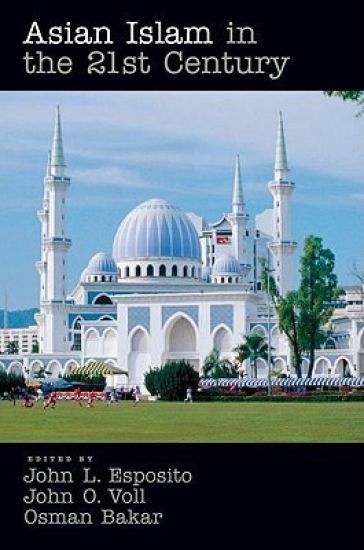
Asian Islam in the 21st Century

Asian Islam in the 21st Century

John L. Esposito; John Voll; Osman Bakar

Oxford University Press Inc
2007
nidottu
Although more than half of the world's Muslims live in Asia, most of the widely read books on contemporary Islam focus on developments in the Middle East, giving short shrift to experiences in some of the largest Muslim countries in the world. In recent years events like the terrorist bombings in Bali, intensifying separatist activities in Thailand, and developments in the Central Asian states of the former Soviet Union all point to the fact that Asian Islam is a subject of growing importance. Specialists as well as general readers interested in international relations need broadly conceived analyses of developments in the major Muslim societies of Asia. The beginning of the twenty-first century is witnessing profound transformations in the way that Islamic ideals and Islamic movements shape state and society. The studies collected in this book look at the changes happening both in Muslim majority countries and in societies where Muslims are a minority. Experiences of democratization - successful and unsuccessful - are examined. The rise of radical militant movements is analyzed, and placed in historical perspective and in the broader context of mainstream Islamic ideals. Among the contributors are such prominent scholars as Fred von der Mehden, Vali Nasr, Hakan Yavuz, and John Voll. This book will serve as the successor to Esposito's influential 1987 collection, Islam in Asia.
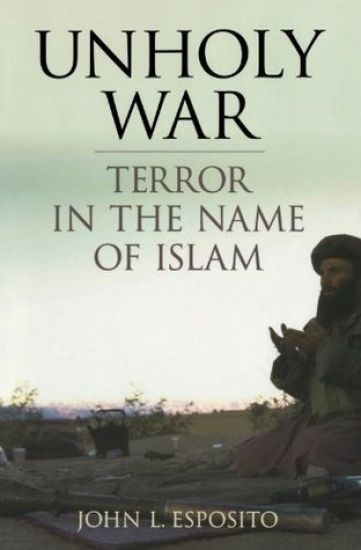
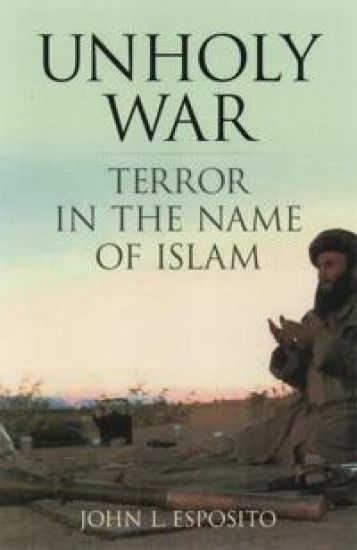
Unholy War

Unholy War

John L. Esposito

Oxford University Press Inc
2003
nidottu
The September 11 attacks on the World Trade Center and the Pentagon left us stunned, angry, and uncomprehending. As it became clear that these horrifying acts had been committed in the name of religion, the media, the government, and ordinary citizens alike sought answers to questions about Islam and its adherents. In this level-headed and authoritative book, John L. Esposito, one of the world's most respected scholars of political Islam, provides answers. He clearly and carefully explains the teachings of Islam--the Quran, the example of the Prophet, Islamic law--about jihad or holy war, the use of violence, and terrorism. He chronicles the rise of extremist groups and examines their frightening worldview and tactics. Anti-Americanism (and anti-Europeanism), he shows, is a broad-based phenomenon that cuts across Arab and Muslim societies. It is not just driven by religious zealotry, but by frustration and anger at U.S. policy. It is vital to understand, however, that the vast majority of Muslims are appalled by the acts of violence committed in the name of their faith. It is essential that we distinguish between the religion of Islam and the actions of extremists like Osama bin Laden, who hijack Islamic discourse and belief to justify their acts of terrorism. This brief, clear-sighted book reflects twenty years of study, reflection, and experience on the part of a scholar who is equally respected in the West and in the Muslim world. It will prove to be the best single guide to the urgent questions that have recently forced themselves on the attention of the entire world.
Unholy War

Unholy War

John L. Esposito

Oxford University Press Inc
2002
sidottu
The devastating September 11 attacks on the World Trade Center and the Pentagon left us stunned, angry, and uncomprehending. As it became clear that these horrifying acts had been committed in the name of Islam, we struggled to understand how religion could be used to justify the slaughter of innocents. The media, the government, and ordinary citizens alike sought answers to questions about Islam and its adherents. Who are the Muslim extremists who perpetrate such deeds? Why do they hate us? What do they hope to achieve? Does Islam really teach that such terrorists are holy warriors who will be rewarded with everlasting bliss? In this level-headed and authoritative book, John L. Esposito, one of the world's most respected scholars of political Islam, provides answers to these and many other questions that have arisen in the wake of the attacks. He clearly and carefully explains the teachings of Islam--the Quran, the example of the Prophet, Islamic law--about jihad or holy war, the use of violence, and terrorism. He chronicles the rise of extremist groups and examines their frightening worldview and tactics. Anti-Americanism (and anti-Europeanism), he shows, is a broad-based phenomenon that cuts across Arab and Muslim societies. It is not just driven by religious zealotry, but by frustration and anger at U.S. policy. Moreover, many Muslims are repelled by aspects of Western culture, and alarmed at its impact around the world. It is vital to understand, however, that the vast majority of Muslims are appalled by the acts of violence committed in the name of their faith. It is essential that we distinguish between the religion of Islam and the actions of extremists like Osama bin Laden who hijack Islamic discourse and belief to justify their acts of terrorism. How can we continue the fight against terrorism without precipitating a global clash of cultures? This is perhaps the most important question we face in this time of crisis. The terrorists behind the September 11 attacks must be brought to justice, their cells eradicated, and their bases destroyed. But this war against terror must not be used to justify erosion of important values at home, or become a green light to authoritarian regimes in the Muslim world to repress non-violent opposition. Only by understanding and addressing the issues that breed hatred and radicalism, argues Esposito, can we defuse the conflicts that will otherwise continue to confront future generations. This brief, clear-sighted and accessibly written book reflects twenty years of study, reflection, and experience on the part of a scholar who is equally respected in the West and in the Muslim world. It will prove to be the best single guide to these urgent questions that have suddenly forced themselves on the attention of the entire world.
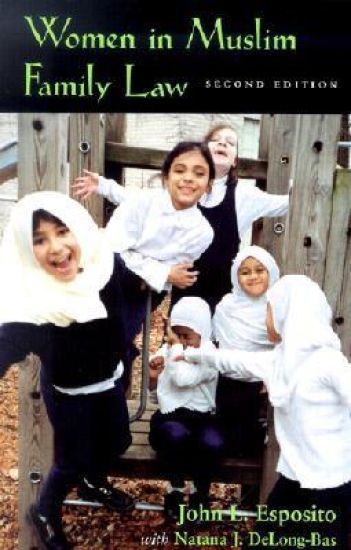
Women in Muslim Family Law, 2nd Edition

Women in Muslim Family Law, 2nd Edition

John L. Esposito

Syracuse University Press
2001
nidottu
An exploration of family law as it pertains to women with regard to marriage, divorce and inheritance in the Middle East. This second edition is revised to expand and update coverage of family law reforms that have taken place throughout the Middle East, North Africa, and South and Southeast Asia. It focuses on the historical and legal context for reform, and the methodology and extent of contemporary legal trends, particularly in Egypt and Pakistan.
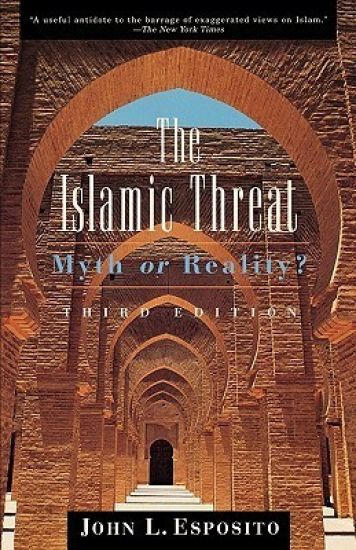
The Islamic Threat

The Islamic Threat

John L. Esposito

Oxford University Press Inc
1999
nidottu
Are Islam and the West on a collision course? From the Ayatollah Khomeini to Saddam Hussein, the image of Islam as a militant, expansionist, and rabidly anti-American religion has gripped the minds of Western governments and media. But these perceptions, John L. Esposito writes, stem from a long history of mutual distrust, criticism, and condemnation, and are far too simplistic to help us understand one of the most important political issues of our time. In this new edition of The Islamic Threat: Myth or Reality?, Esposito places the challenge of Islam in critical perspective. Exploring the vitality of this religion as a global force and the history of its relations with the West, Esposito demonstrates the diversity of the Islamic resurgence--and the mistakes our analysts make in assuming a hostile, monolithic Islam. This third edition has been expanded to include new material on current affairs in Turkey, Afghanistan, Palestine, and Southeast Asia, as well as a discussion of international terrorism.