Kirjojen hintavertailu. Mukana 12 595 353 kirjaa ja 12 kauppaa.

Kirjailija

John Madeley

Kirjat ja teokset yhdessä paikassa: 9 kirjaa, julkaisuja vuosilta 1991-2008, suosituimpien joukossa Big Business, Poor Peoples. Vertaile teosten hintoja ja tarkista saatavuus suomalaisista kirjakaupoista.

9 kirjaa

Kirjojen julkaisuhaarukka 1991-2008.

Big Business, Poor Peoples

Big Business, Poor Peoples

John Madeley

Zed Books Ltd
2008
nidottu
Transnational corporations are one of the most important actors in the global economy, occupying a more powerful position than ever before. In their persistent battle to increase profits, they have increasingly turned to the developing world, a world that holds many attractions for them. But what is their impact on the poor? Now in its second edition, Big Business, Poor Peoples finds that these corporations are damaging the lives of millions of poor people in developing countries. Looking at every sector where transnational corporations are involved, this vital book is packed with detail on how the poor are affected. The book exposes how developing countries’ natural resources are being ceded to TNCs and how governments are unwilling or unable to control them. The author argues that TNCs, answerable to no one but their shareholders, have used their money, size and power to influence international negotiations and taken full advantage of the move towards privatization to influence government policies; sovereignty is passing into corporate hands, and the poor are paying the price. But people are fighting back: citizens, workers, and communities are exposing the corporations and looking for alternatives. The first edition of this path-breaking book put the issue of transnational corporations and the poor firmly on the agenda. This second edition contains significant new and updated material and is an essential read for anyone who wants to know more about the effects of corporate power on the poor.
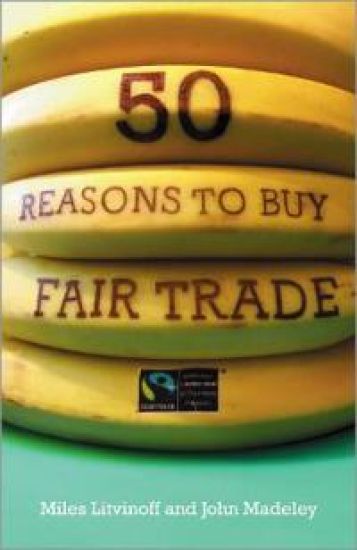
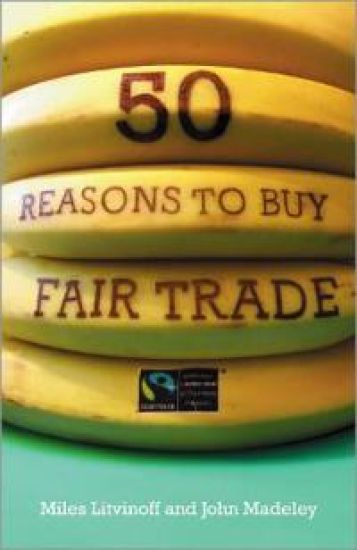
50 Reasons to Buy Fair Trade

50 Reasons to Buy Fair Trade

Miles Litvinoff; John Madeley

Pluto Press
2007
pokkari
Fair Trade is a growing global movement. Why is Fair Trade so important? This book provides 50 reasons why everyone should buy fair trade. It gives an account of how every consumer can play a part in saving lives and improving the way global trade operates.
50 Reasons to Buy Fair Trade

50 Reasons to Buy Fair Trade

Miles Litvinoff; John Madeley

Pluto Press
2007
sidottu
Fair trade is a growing global movement. A huge and widening range of fair trade goods are now available in the shops. Why is fair trade so important? This book provides 50 reasons why buying fair trade delivers a host of benefits to people and the planet. It's an inspiring account of how every consumer can play a part in improving and even saving lives and making global trade work better for poor people. Did you know that buying fair trade: -- Helps eradicate sweatshops -- Helps end child labour -- Reduces the debt burden on developing countries’ farmers -- Ensures small-scale farmers can earn a living wage -- Supports and protects the environment? This book provides a critical guide to international trade and shows that fair trade presents a realistic and positive alternative for farmers and producers in developing countries. By improving schools, healthcare and working conditions, the fair trade movement has already saved lives and empowered whole communities. This book shows how every consumer can help make a difference in the fight to end poverty and inequality.
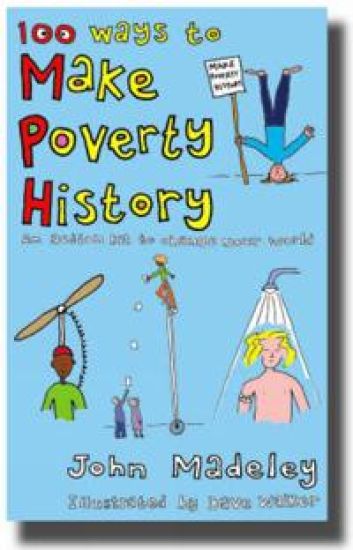
100 Ways to Make Poverty History

100 Ways to Make Poverty History

John Madeley

Canterbury Press Norwich
2005
nidottu
On every page of this book is a simple action plan for making poverty history - 100 simple but effective ideas that will make a real difference to the way that millions of people live in the developing world. From getting your local newspaper involved to making personal choices about shopping, food and travel, everyone who buys this book can play an active part in changing the world for the better. Every page includes step-by-step instructions with telephone numbers, website addresses and detailed advice on how to get your message heard.
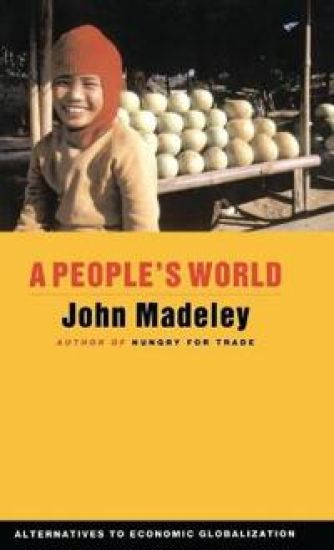
A People's World

A People's World

John Madeley

Zed Books Ltd
2003
sidottu
John Madeley has interviewed some of the world's most courageous campaigners and progressive thinkers, discovering their thoughts on globalization and what an alternative to it might look like. His interviewees include: Peggy Antrobus, Walden Bello, Barry Coates, Fiona Dove, Gustavo Esteva, Hazel Henderson, Francois Houtart, Martin Khor, David Korten, Caroline Lucas MEP, Helena Norberg-Hodge, Ann Pettifor, Devinder Sharma, Vandana Shiva, Victoria Tauli-Corpuz and many others. In doing so, Madelely strips bare the myth there are no alternatives to the present economic system. An inspiring and timely book of ideas and practical proposals for those campaigning for a world in which economic systems can benefit the poor, a world that is more just, humane, stable and conducive to the diversity of human cultures.
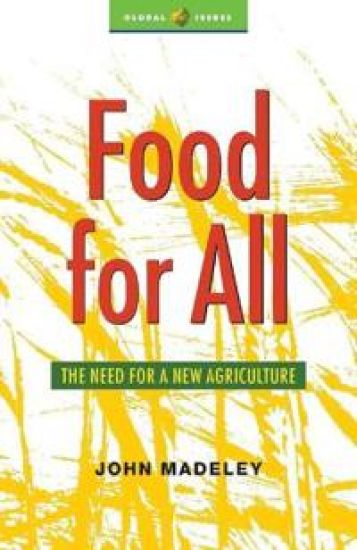
Food for All

Food for All

John Madeley

Zed Books Ltd
2002
nidottu
What kind of agriculture do we need to feed the world? World leaders have committed themselves to halving hunger by the year 2015 as a first step towards food for all. But is this an achievable target? John Madeley's new book shows we already have the experience on which to base a new approach to agricultural production and feeding the world's whole population. Millions need better access to the land from which the market forced them, and a more equitable income distribution so that the poor can afford the available food. This is part of the solution. But the other part is an innovative, multi-faceted move away from a monoculture production system dependent on ever more tractors and fossil fuels, dangerous chemicals, and hybrid seeds monopolized by a handful of giant corporations. Instead, he shows it is feasible to look to the spread of a low-external input approach, a reintegration of traditional farming techniques, new farming practices like organic agriculture and permaculture, and a range of 'green' technologies which can all play a role in bringing world agriculture back to a path which offers a viable livelihood to farmers, food for the hungry, and all without harming the environment.
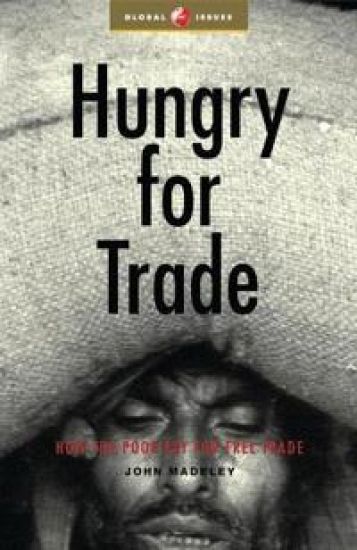
Hungry for Trade

Hungry for Trade

John Madeley

Zed Books Ltd
2000
nidottu
As the fallout from the Seattle meeting of the World Trade Organization (WTO) continues, John Madeley explores some key questions about the free trade that it advocates: Will free trade in food help or hinder the abolition of world hunger? Who benefits first? The poor? Or the transnational corporations? Will free trade help Third World farmers find new international markets? How can countries - North and South, rich and poor - protect their farmers? How can self-sufficiency in food production be achieved? His book exposes the contradiction between Western governments' rhetoric about reducing world poverty and the drive to yet more trade liberalization.
Trade and the Poor

Trade and the Poor

John Madeley

Practical Action Publishing
1996
nidottu
The new second edition updates this popular book, and provides new chapters on alternative trading systems, and international trading organizations such as GATT and the World Trade Organization. Trade and the Poor examines North-South trade in commodities, services and tourism; transnational corporations and free trade zones; and international financial systems. Also considers alternative South-North trade and looks at changes needed to improve terms of trade.
When Aid is No Help

When Aid is No Help

John Madeley

Practical Action Publishing
1991
nidottu
Examines how aid from rich to poor countries often fails to reach those most in need, and how the global aid effort falls short in its most crucial task. It also discusses how changes may be made and offers twelve guidelines to assist aid policymakers. Much development assistance from rich to poor countries has failed to get through to the poorest peoples, the ones in need of assistance. Much official aid has not even tried, but what about the aid projects that have genuinely tried to reach the poorest? This book shows that despite such attempts, most of the poorest are still losing out - which means that the global aid effort is failing in perhaps its most crucial task: helping the neediest. The book looks closely at projects in Mali, the Philippines, Bangladesh, Nepal and India. It probes the reasons for the failure of well-intentioned projects to try to pinpoint the exact nature of the problem and the implications for policy. The author takes the view that if the lessons are learned from what is going wrong, then aid projects could benefit the poorest.The poorest often lose out in aid projects because they are not aware of their possibilities, and this is where non-governmental organizations can play a role. The official aid effort has the potential to help the poorest - but it needs to change and become more appropriate to their needs. The book suggests what changes are needed and ends with twelve guidelines for aid policymakers.