Kirjojen hintavertailu. Mukana 12 595 353 kirjaa ja 12 kauppaa.
Kirjailija
John May
Kirjat ja teokset yhdessä paikassa: 8 kirjaa, julkaisuja vuosilta 2001-2024, suosituimpien joukossa Journal and Letters of Col. John May, of Boston. Vertaile teosten hintoja ja tarkista saatavuus suomalaisista kirjakaupoista.
In 1577, John Dee, a scientist who served as an advisor to Queen Elizabeth I, proposed to her the creation of colonies in the New World. Neither Elizabeth nor Walter Raleigh imagined the task would be so difficult or take more than 30 years. The effort started with an exploration of the coast of today's North Carolina and the settlement of a colony on Roanoke Island in 1585. This ended tragically and became known as The Lost Colony, its fate a mystery to this day. James I resumed the effort with the founding of Jamestown in 1607 on an island in the James River in today's Virginia. This book relates the histories of the Roanoke and Jamestown colonies to enable a full understanding of the founding of English America. Important events in America's beginnings, including the wreck of the Sea Venture (which inspired William Shakespeare's The Tempest), the Algonquin chief Powhatan's plans to make the newcomers useful to him, and the relationship between Pocahontas and English Captain John Smith are highlighted.
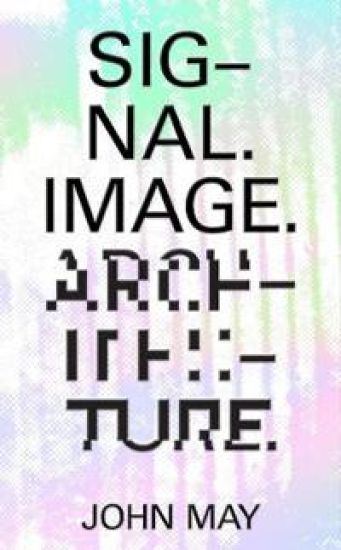
Architecture is immersed in an immense cultural experiment called imaging. ?Yet the technical status and nature of that imaging must be reevaluated. What happens to the architectural mind when it stops pretending that electronic images of drawings made by computers are drawings? When it finally admits that imaging is not drawing, but is instead something that has already obliterated drawing? These are questions that, in general, architecture has scarcely begun to pose?, ?imagining that somehow its ideas and practices can resist the culture of imaging in which ?the rest of life now either swims or drowns. To patiently describe the world to oneself is to prepare the ground for an as yet unavailable politics. New descriptions can, under the right circumstances, be made to serve as the raw substrate for political impulses that cannot yet be expressed or lived, because their preconditions have not been arranged and articulated. Signal. Image. Architecture.? aims to clarify the status of computational images in contemporary architectural thought and practice by showing what happens if the technical basis of architecture is examined very closely, if its technical terms and concepts are taken very seriously, at times even literally. It is not a theory of architectural images, but rather a brief philosophical description of architecture after imaging.