Kirjojen hintavertailu. Mukana 12 595 353 kirjaa ja 12 kauppaa.

Kirjailija

John Schwenkler

Kirjat ja teokset yhdessä paikassa: 3 kirjaa, julkaisuja vuosilta 2019-2021, suosituimpien joukossa Anscombe's Intention. Vertaile teosten hintoja ja tarkista saatavuus suomalaisista kirjakaupoista.

3 kirjaa

Kirjojen julkaisuhaarukka 2019-2021.

Reading Philosophy

Reading Philosophy

Samuel Guttenplan; Jennifer Hornsby; Christopher Janaway; John Schwenkler

John Wiley Sons Inc
2021
nidottu
A key introductory philosophy textbook, making use of an innovative, interactive technique for reading philosophical texts Reading Philosophy: Selected Texts with a Method for Beginners, Second Edition, provides a unique approach to reading philosophy, requiring students to engage with material as they read. It contains carefully selected texts, commentaries on those texts, and questions for the reader to think about as they read. It serves as starting points for both classroom discussion and independent study. The texts cover a wide range of topics drawn from diverse areas of philosophical investigation, ranging over ethics, metaphysics, epistemology, philosophy of mind, aesthetics, and political philosophy. This edition has been updated and expanded. New chapters discuss the moral significance of friendship and love, the subjective nature of consciousness and the ways that science might explore conscious experience. And there are new texts and commentary in chapters on doubt, self and moral dilemmas. Guides readers through the experience of active, engaged philosophical reading Presents significant texts, contextualized for newcomers to philosophy Includes writings by philosophers from antiquity to the late 20th-century Contains commentary that provides the context and background necessary for discussion and argument Prompts readers to think through specific questions and to reach their own conclusions This book is an ideal resource for beginning students in philosophy, as well as for anyone wishing to engage with the subject on their own.
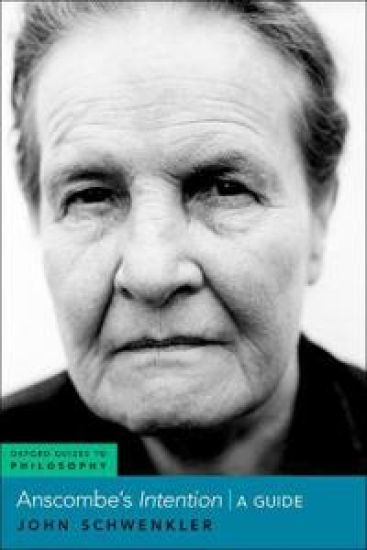
Anscombe's Intention

Anscombe's Intention

John Schwenkler

Oxford University Press Inc
2019
nidottu
Written against the background of her controversial opposition to the University of Oxford's awarding of an honorary degree to Harry S. Truman, Elizabeth Anscombe's Intention laid the groundwork she thought necessary for a proper ethical evaluation of actions like the bombing of Hiroshima and Nagasaki. The devoutly Catholic Anscombe thought that these actions made Truman a murderer, and thus unworthy of the university's honor-but that this verdict depended on an understanding of intentional action that had been widely rejected in contemporary moral philosophy. Intention was her attempt to work out that understanding and argue for its superiority over a conception of intention as an inner mental state. Though recognized universally as one of the definitive works in analytic philosophy of action, Anscombe's book is often dismissed as unsystematic or obscure, and usually read through the lens of philosophical concerns very far from her own. Schwenkler's Guide offers a careful and critical presentation of Anscombe's main lines of argument at a level appropriate to advanced undergraduates but also capable of benefiting specialists in action theory, moral philosophy, and the history of analytic philosophy. Further, it situates Intention in a context that emphasizes Anscombe's debts to Aristotle, Aquinas, and Wittgenstein, and her engagement with the work of contemporaries like Gilbert Ryle and R.M. Hare, inviting new avenues of engagement with the ideas of historically important philosophers.
Anscombe's Intention

Anscombe's Intention

John Schwenkler

Oxford University Press Inc
2019
sidottu
Written against the background of her controversial opposition to the University of Oxford's awarding of an honorary degree to Harry S. Truman, Elizabeth Anscombe's Intention laid the groundwork she thought necessary for a proper ethical evaluation of actions like the bombing of Hiroshima and Nagasaki. The devoutly Catholic Anscombe thought that these actions made Truman a murderer, and thus unworthy of the university's honor-but that this verdict depended on an understanding of intentional action that had been widely rejected in contemporary moral philosophy. Intention was her attempt to work out that understanding and argue for its superiority over a conception of intention as an inner mental state. Though recognized universally as one of the definitive works in analytic philosophy of action, Anscombe's book is often dismissed as unsystematic or obscure, and usually read through the lens of philosophical concerns very far from her own. Schwenkler's Guide offers a careful and critical presentation of Anscombe's main lines of argument at a level appropriate to advanced undergraduates but also capable of benefiting specialists in action theory, moral philosophy, and the history of analytic philosophy. Further, it situates Intention in a context that emphasizes Anscombe's debts to Aristotle, Aquinas, and Wittgenstein, and her engagement with the work of contemporaries like Gilbert Ryle and R.M. Hare, inviting new avenues of engagement with the ideas of historically important philosophers.