
Kirjailija
John Stokes
Kirjat ja teokset yhdessä paikassa: 11 kirjaa, julkaisuja vuosilta 1978-2026, suosituimpien joukossa Marney the Fox. Vertaile teosten hintoja ja tarkista saatavuus suomalaisista kirjakaupoista.
11 kirjaa
Kirjojen julkaisuhaarukka 1978-2026.

Living in the eye of the hurricane. That's been my life as a Foster Carer. Mostly, it's been in a peacefully calm and loving place that is, however, constantly surrounded by the raging storms of trauma, fury and teenage angst. Drugs, drink, crime and all the horrors of abuse can come to visit and disrupt our lives but a loving home survives and is always shelter from the storm and sometimes for the storm. I would not for anything change a life that has also allowed me so many wonderful, crazy and magical experiences whilst showing so many young people that there is a path to a different life and that a storm can pass and be recovered from. Most of all, I have been blessed to look after some amazing young people who have enriched my life as you will see from the stories of my life in the Shadowlands. A single man, a Foster Carer raising other people's children for over 35 years and always looking forward to the next storm that a Social Worker brings to my door.
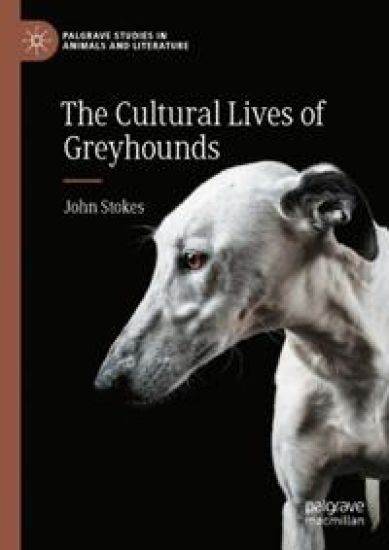
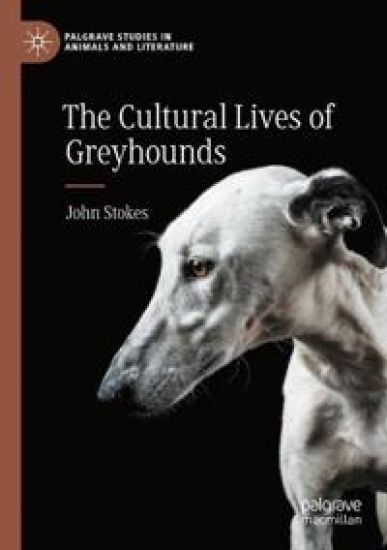
This book aims to enhance our intellectual understanding of the relationship between human beings and domestic animals, with a focus on a specific breed of dog: the greyhound. It combines literary criticism, cultural history and the rapidly expanding field of human/animal studies by tracing the creative representation of the greyhound, from the earliest references in classical myth to multiple appearances in contemporary literature, performance and the fine arts. Each representation—whether of hunter or racer, of pet or predator—is treated not simply as a stage in some inevitable humanitarian progression but as part of a series of co-evolutionary exchanges between humans and their canine collaborators that together constitute a shared experience. Writers who have been fascinated by greyhounds range from Shakespeare to Dryden, from William Wordsworth to George Meredith, from Marcel Proust to Colette, from William Butler Yeats to Ted Hughes and beyond. The haunting image of the breed has inspired artists such as Dürer, Hogarth and Giacometti.
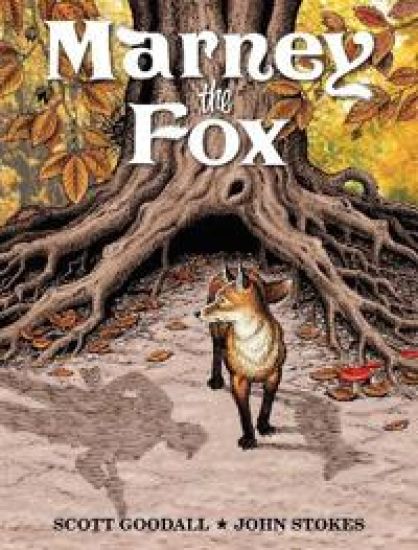
Marney the Fox is a Lassie-style tale of a lone fox up against wicked humans via Watership Down and Fantastic Mr Fox.
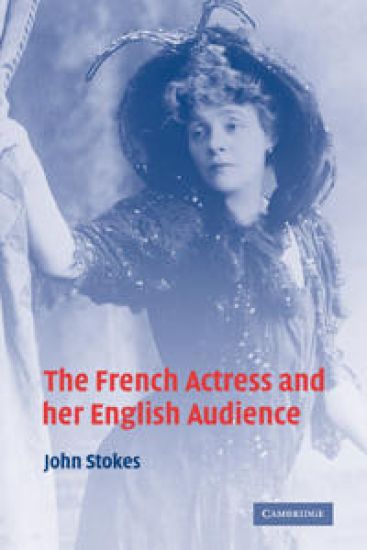
For centuries English and French theatrical traditions have had an uneasy relationship with one another: mutual admiration, mutual envy, mutual distrust. Just as the fascination of difference lies in the potential for sameness, so these opposed traditions have observed each other at close quarters and invited each other back home. In this unusually detailed and carefully illustrated book, John Stokes explores the reception of the French actress by the English audiences, from the early nineteenth century to the middle of the twentieth - a period when the relationship between England and France was transformed and redefined. Mlle Mars, Sarah Bernhardt and Edwige Feuillere are among the many actresses invoked; prominent English spectators include William Hazlitt, Charles Dickens, and Oscar Wilde. The result is a vivid coming together of theatre history and cultural studies, and will appeal to scholars of English and French literature as well as students of acting.
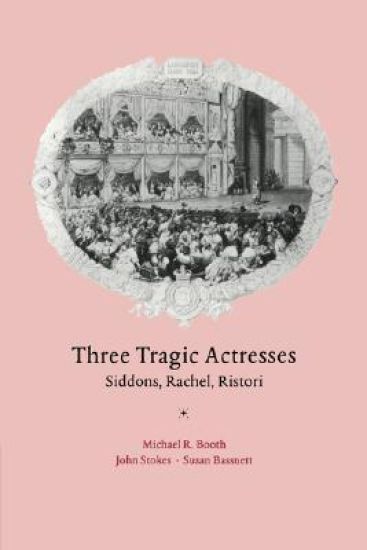
Three Tragic Actresses
Michael Booth; John Stokes; Susan Bassnett
Cambridge University Press
2007
pokkari
This book examines the careers of three performers whose professional lives together spanned the period from the late eighteenth to the late nineteenth centuries, from the heyday of neo-Classicism to the coming of Realism. While the individual essays concentrate on the specific work of Siddons, Rachel and Ristori, a wide-ranging introduction relates their collective achievement to social and cultural change. All three rejuvenated a national repertoire and experimented with new forms of dramatic literature, achieving fame far beyond the boundaries of their own country. As they redefined the nature of tragic experience, as strong and independent women, they contributed greatly to changing concepts of gender and sexuality. Vivid reconstructions of their interpretations and unique accounts of theatrical conditions place the art of three very different but pivotal figures in context.
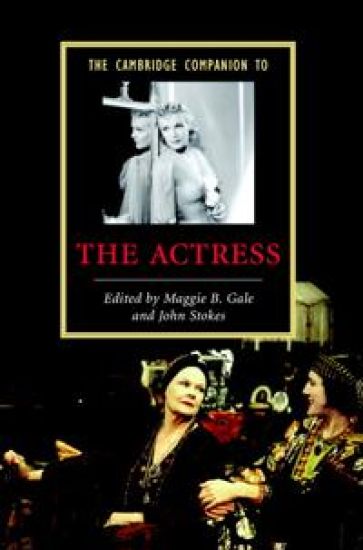
This Companion brings together sixteen new essays which examine, from various perspectives, the social and cultural role of the actress throughout history and across continents. Each essay focuses on a particular stage in her development, for example professionalism in the seventeenth century; the emergence of the actress/critic during the Romantic period and, later on, of the actress as best selling autobiographer; the coming of the drama schools which led to today's emphasis on the actress as a highly-trained working woman. Chapters consider the image of the actress as a courtesan, as a 'muse', as a representative of the 'ordinary' housewife, and as a political activist. The collection also contains essays on forms, genres and traditions - on cross dressing, solo performance, racial constraints, and recent Shakespeare - as well as on the actress in early photography and on film. Its unique range will fascinate, surprise and instruct theatre-goers and students alike.
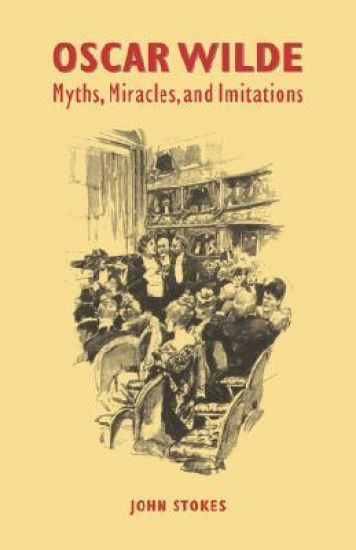
Oscar Wilde was a major influence on the culture of his time, and remains relevant today, as a model of wit and style, a sexual icon, and a moral example. In a sequence of detailed and imaginative chapters on Wilde and his times, John Stokes shows how in the 1880s and 1890s Wilde played a vital part in the development of modern culture, inspiring others to carry his ideas on into the twentieth century. Stokes offers studies of Wilde's place in the Romantic tradition, and of his relationships with such legendary figures of the fin de siècle as Aubrey Beardsley, Alfred Jarry and Arthur Symons. And always, as part of the process of historical enquiry, Stokes considers those who came after: humanitarian disciples who kept Wilde's memory sacred, performers in his plays, actors who impersonated the man himself. Oscar Wilde: Myths, Miracles and Imitations explains why Wilde, a 'material ghost', haunts us still.
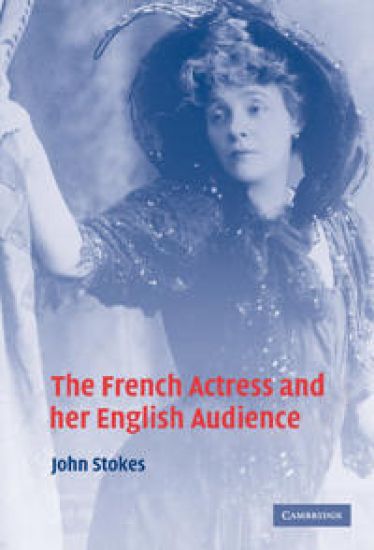
For centuries English and French theatrical traditions have had an uneasy relationship with one another: mutual admiration, mutual envy, mutual distrust. Just as the fascination of difference lies in the potential for sameness, so these opposed traditions have observed each other at close quarters and invited each other back home. In this unusually detailed and carefully illustrated book, John Stokes explores the reception of the French actress by the English audiences, from the early nineteenth century to the middle of the twentieth - a period when the relationship between England and France was transformed and redefined. Mlle Mars, Sarah Bernhardt and Edwige Feuillere are among the many actresses invoked; prominent English spectators include William Hazlitt, Charles Dickens, and Oscar Wilde. The result is a vivid coming together of theatre history and cultural studies, and will appeal to scholars of English and French literature as well as students of acting.
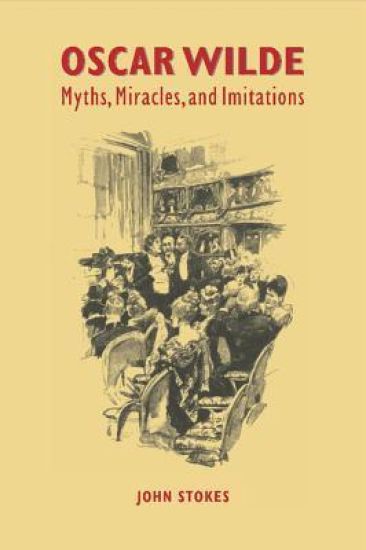
Oscar Wilde was a major influence on the culture of his time, and remains relevant today, as a model of wit and style, a sexual icon, and a moral example. In a sequence of detailed and imaginative chapters on Wilde and his times, John Stokes shows how in the 1880s and 1890s Wilde played a vital part in the development of modern culture, inspiring others to carry his ideas on into the twentieth century. Stokes offers studies of Wilde’s place in the Romantic tradition, and of his relationships with such legendary figures of the fin-de-siècle as Aubrey Beardsley, Alfred Jarry, and Arthur Symons. And always, as part of the process of historical enquiry, Stokes considers those who came after: humanitarian disciples who kept Wilde’s memory sacred, performers in his plays, actors who impersonated the man himself. Oscar Wilde: Myths, Miracles and Imitations explains why Wilde, a ‘material ghost’, haunts us still.
Oscar Wilde was a major influence on the culture of his time, and remains relevant today, as a model of wit and style, a sexual icon, and a moral example. In a sequence of detailed and imaginative chapters on Wilde and his times, John Stokes shows how in the 1880s and 1890s Wilde played a vital part in the development of modern culture, inspiring others to carry his ideas on into the twentieth century. Stokes offers studies of Wilde's place in the Romantic tradition, and of his relationships with such legendary figures of the fin de siècle as Aubrey Beardsley, Alfred Jarry and Arthur Symons. And always, as part of the process of historical enquiry, Stokes considers those who came after: humanitarian disciples who kept Wilde's memory sacred, performers in his plays, actors who impersonated the man himself. Oscar Wilde: Myths, Miracles and Imitations explains why Wilde, a 'material ghost', haunts us still.