Kirjojen hintavertailu. Mukana 12 239 564 kirjaa ja 12 kauppaa.

Kirjailija

Jorge Olivares

Kirjat ja teokset yhdessä paikassa: 3 kirjaa, julkaisuja vuosilta 2013-2016, suosituimpien joukossa Educación Especializada & Psicoeducación. Vertaile teosten hintoja ja tarkista saatavuus suomalaisista kirjakaupoista.

3 kirjaa

Kirjojen julkaisuhaarukka 2013-2016.

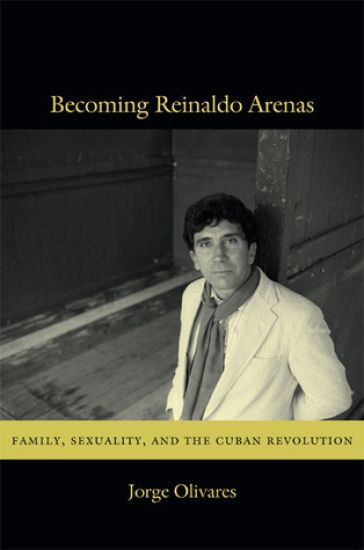
Becoming Reinaldo Arenas

Becoming Reinaldo Arenas

Jorge Olivares

Duke University Press
2013
pokkari
Becoming Reinaldo Arenas explores the life and work of the Cuban writer Reinaldo Arenas (1943–1990), who emerged on the Latin American cultural scene in the 1960s and quickly achieved literary fame. Yet as a political dissident and an openly gay man, Arenas also experienced discrimination and persecution; he produced much of his work amid political controversy and precarious living conditions. In 1980, having survived ostracism and incarceration in Cuba, he arrived in the United States during the Mariel boatlift. Ten years later, after struggling with poverty and AIDS in New York, Arenas committed suicide. Through insightful close readings of a selection of Arenas's works, including unpublished manuscripts and correspondence, Olivares examines the writer's personal, political, and artistic trajectory, focusing on his portrayals of family, sexuality, exile, and nostalgia. He documents Arenas's critical engagement with cultural and political developments in revolutionary Cuba and investigates the ways in which Arenas challenged literary and national norms. Olivares's analysis shows how Arenas drew on his life experiences to offer revealing perspectives on the Cuban Revolution, the struggles of Cuban exiles, and the politics of sexuality.
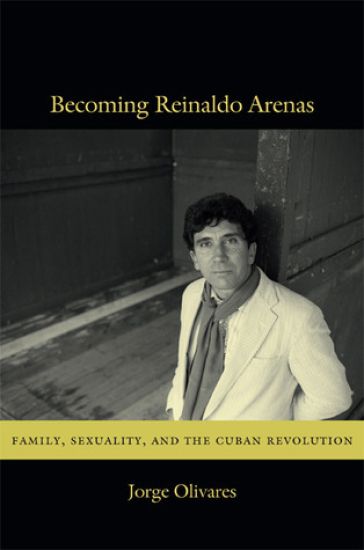
Becoming Reinaldo Arenas

Becoming Reinaldo Arenas

Jorge Olivares

Duke University Press
2013
sidottu
Becoming Reinaldo Arenas explores the life and work of the Cuban writer Reinaldo Arenas (1943–1990), who emerged on the Latin American cultural scene in the 1960s and quickly achieved literary fame. Yet as a political dissident and an openly gay man, Arenas also experienced discrimination and persecution; he produced much of his work amid political controversy and precarious living conditions. In 1980, having survived ostracism and incarceration in Cuba, he arrived in the United States during the Mariel boatlift. Ten years later, after struggling with poverty and AIDS in New York, Arenas committed suicide. Through insightful close readings of a selection of Arenas's works, including unpublished manuscripts and correspondence, Olivares examines the writer's personal, political, and artistic trajectory, focusing on his portrayals of family, sexuality, exile, and nostalgia. He documents Arenas's critical engagement with cultural and political developments in revolutionary Cuba and investigates the ways in which Arenas challenged literary and national norms. Olivares's analysis shows how Arenas drew on his life experiences to offer revealing perspectives on the Cuban Revolution, the struggles of Cuban exiles, and the politics of sexuality.