Kirjojen hintavertailu. Mukana 12 595 353 kirjaa ja 12 kauppaa.
Kirjailija
Jorge Valenzuela
Kirjat ja teokset yhdessä paikassa: 7 kirjaa, julkaisuja vuosilta 2021-2025, suosituimpien joukossa Raising Equity Through Sel: A Framework for Implementing Trauma-Informed, Culturally Responsive Teaching and Restorative Practices (Effectively Activa. Vertaile teosten hintoja ja tarkista saatavuus suomalaisista kirjakaupoista.
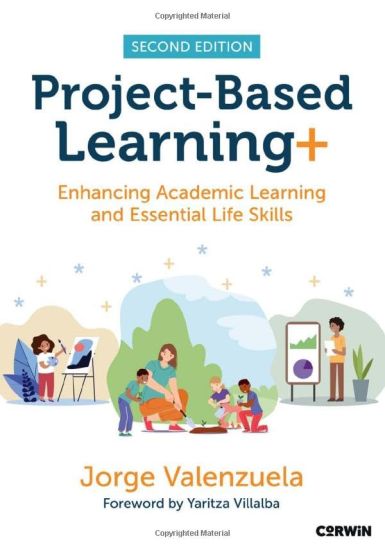
Project-based learning PLUS essential life skills equals student and educator success Imagine not only helping kids reach their potential academically, but as citizens in society as well. In this updated edition of Jorge Valenzuela’s book, you will learn how! Take project-based learning (PBL)—in which students develop educational skills like research, critical thinking, and teamwork—to the next level by enhancing it with personal competencies like self-management, social awareness, and responsible decision-making. Written by an expert in PBL, student well-being, and technology with different levels of educator PBL experience in mind, this guide to harnessing the power of these approaches provides: The five elements of the PBL+ Framework Tools and rubrics that help you engage all students and assess their projects Ways to align PBL with five critical emotional intelligence and career readiness competencies Tips for putting PBL+ into practice to facilitate your own teaching plans The framework described in this book, grounded by research and supported by practical steps, is replicable in every classroom and provides educators guidance for strengthening their instructional practice to create an empowering student experience.
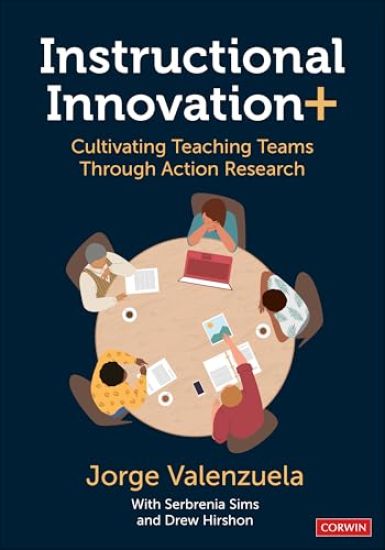
Empower teaching teams with data-driven instructional innovation With teacher shortages, high staff turnover, and an influx of new and underprepared teachers, highly capable data-informed teaching teams are needed now more than ever. Instructional Innovation+ provides educators with a systematic action research approach to achieve instructional innovation and guide teaching teams to success through careful analysis, collaboration, and implementation. Inside you’ll discover A new model, flexible framework and tools for teaching teams to develop their own unique system for effective collaboration and feedbackHow to develop and implement instructional methodologies and strategies to enhance student learningHow to gather and analyze data to inform innovative teaching strategiesHow to identify your students’ unique needs, plus guidance for initiating improvements in the classroom This impactful guide helps your teaching teams bridge the ever-widening gap between proven strategies and student success through practical and sustainable instructional innovation.
Learn how to prepare for and pass the KCNA (Kubernetes and Cloud Native Associate) certification exam. This practical guide serves as both a study guide and point of entry for practitioners looking to explore and adopt cloud native technologies. Adrian Gonzalez Sanchez teaches you not only the core technology fundamentals, but also the community and industry that KCNA serves. With the meteoric rise in cloud adoption, cloud native technologies such as Kubernetes have become the de facto industry standard. Other Kubernetes certifications CKAD, CKA, and CKS--are all geared towards higher level technical proficiency. The KCNA certification exam covers the cloud native environment generally as well as the fundamental Kubernetes skills and knowledge. This guide helps you learn: How to best and most efficiently prepare for the KCNA exam The latest cloud native developments and their importance The fundamentals of Kubernetes, cloud native development, and related CNCF projects The core elements of Kubernetes applications The crucial elements of modern cloud native development How to differentiate and choose cloud native technologies The market value of passing the KCNA exam About the Author Adrian Gonzalez Sanchez is a cloud, data and AI specialist at Microsoft, and the Industrial AI Lead for the Spanish Observatory of Ethical AI (OdiseIA).
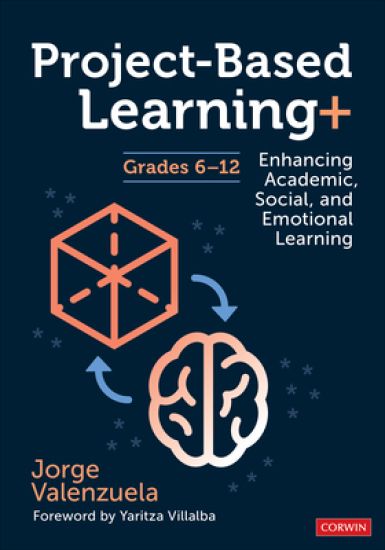
Project-Based Learning PLUS Social and Emotional Learning equals student and educator success Imagine not only helping kids reach their potential academically but as citizens in society as well. In this groundbreaking new book, you will learn how! Take project-based learning (PBL)—in which students develop educational skills like research, critical thinking, and teamwork—to the next level by enhancing it with personal competencies like self-management, social awareness, and responsible decision-making. Written by an expert in PBL, student well-being, and technology with different levels of educator PBL experience in mind, this guide to harnessing the power of these approaches provides: The five elements of the PBL+ FrameworkTools and rubrics that help you engage all students and assess their projectsWays to align PBL with the five SEL competencies outlined by CASELTips for putting PBL+ into practice to facilitate your own teaching plans The framework described in this book, grounded by research and supported by practical steps, is replicable in any classroom and provides educators guidance for strengthening their instructional practice to create an empowering student experience.
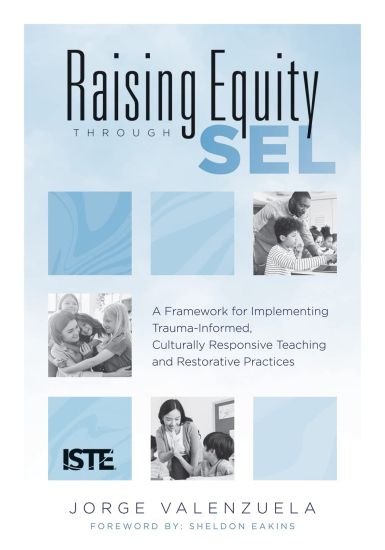
Activate social-emotional learning effectively in your classroom with a framework that integrates trauma-informed, culturally responsive, and restorative teaching practices. Raising Equity Through SEL is your trusted source for sound pedagogy that addresses the academic and social-emotional needs of a diverse classroom community. Each strategy, tool, and template is designed to facilitate your practice by making SEL easier to implement. Use this book as an individual or team to: Develop emotional intelligence skills for adults and students Examine unconscious beliefs you may have about diverse learners Use shared agreements to structure difficult conversations with other adults Move students toward cultural competence and proficiency Activate SEL across the curriculum without having to stop and "do SEL" Implement culturally responsive, restorative, and trauma-informed teaching strategies Learn inclusive pedagogy that raises equity for students who are marginalized Level up SEL skills using educational technology Contents: Introduction Part 1: The Equity and Social-Emotional Learning Integration Framework Chapter 1: Learn the Basics of the CASEL 5 and Emotional Intelligence Chapter 2: Assess Unconscious Biases About Students Chapter 3: Improve Your Knowledge of Your Students Chapter 4: Help Students Develop Emotional Intelligence Skills Chapter 5: Activate Social-Emotional Learning in Lessons Part 2: Three Focus Areas for Equity and Social-Emotional Learning Chapter 6: Trauma-Informed Teaching Chapter 7: Culturally Responsive Teaching Chapter 8: Restorative Practices and Restorative Justice Part 3: More Equity Raisers for Social-Emotional Learning Chapter 9: Update Our SEL Plan With Inclusive Pedagogy for Raising Equity Chapter 10: Activate SEL by Focusing on Equity in Edtech Epilogue Appendix A: Additional Resources by Chapter Appendix B: Rationale and Research for the Equity and Social-Emotional Learning Integration Framework References and Resources Index
Apply high-quality project-based learning strategies to create lessons and units that help students solve a variety of urgent environmental problems.Environmental science (ES) education is essential to providing students with opportunities for hands-on investigations to find solutions to complex environmental problems. But the recent COVID-19 crisis has dramatically curtailed student access to ES-focused experiences, particularly affecting students of color and those from low-income communities. At the same time, changes in pollution and air quality levels, as well as a resurgence of wildlife, have created new avenues for students to connect with the revitalized world through technology and social-emotional learning (SEL) strategies.Project-based learning (PBL), with its emphasis on inquiry and authentic challenges, can be an effective approach to teaching ES. Those new to PBL may not feel they have adequate training. Likewise, teachers who haven't taught ES may question how to incorporate it into their curriculum. This book addresses both situations, providing practical guidance for teachers, along with examples of technology-rich, learner-centered student projects covering a range of timely and cross-curricular topics such as endangered animal populations, maintenance of oceans, rebounding of bee populations and urban air quality.This book:Helps teachers design learning experiences that model authentic problems and processes practiced by scientists and engineers, to prepare students for future careers in science. Provides strategies to develop students' SEL skills and instill in them a renewed empathy for the environment as they get a glimpse of what a better, cleaner and more sustainable world can look like. Introduces facilitation techniques that redefine the teacher's traditional role as one that supports increased student agency, the development of critical thinking skills and an expanded awareness of their place in the global community. Includes a chapter that focuses on applying the principles and strategies shared in the book in an online learning environment. Addresses Next Generation Science Standards (NGSS) topics in environmental science and is aligned to the ISTE Standards for Educators.PBL is one of the best ways for students to explore complex processes and concepts, and this book will help teachers leverage this approach to empower students to take action toward a better future and world.
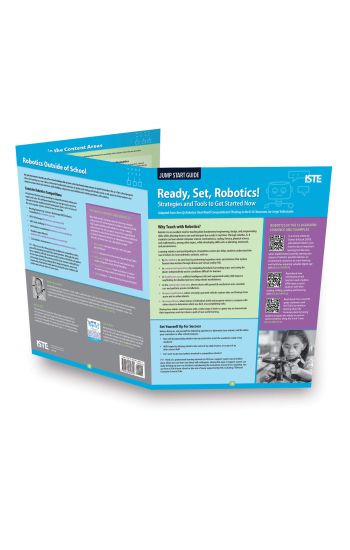
This six-page laminated reference guide shares practical strategies, tools and lesson ideas for incorporating robotics and computational thinking into your teaching.Robotics is an excellent tool for teaching vital computational thinking (CT) and programming skills by allowing students to see and interpret results in real time. Not only are robots highly motivating for students, they can be easily incorporated into the subjects you teach or as part of an after-school club.Based on the book Rev Up Robotics: Real-World Computational Thinking in the K-8 Classroom by Jorge Valenzuela, this guide will quickly get you up to speed on how to introduce CT and robotics in elementary and middle school classes.The guide features:An overview of computational thinking and resources for teaching CT concepts.Ideas for weaving robotics into math, science, social studies and English language arts.Advice for creating an after-school robotics club or getting started with competitive robotics.Audience: K-8 educators