Kirjojen hintavertailu. Mukana 12 595 353 kirjaa ja 12 kauppaa.

Kirjailija

José M. González

Kirjat ja teokset yhdessä paikassa: 7 kirjaa, julkaisuja vuosilta 2011-2015, suosituimpien joukossa Dark Lonely Road. Vertaile teosten hintoja ja tarkista saatavuus suomalaisista kirjakaupoista.

Mukana myös kirjoitusasut: Jose M Gonzalez, Jose M. Gonzalez

7 kirjaa

Kirjojen julkaisuhaarukka 2011-2015.
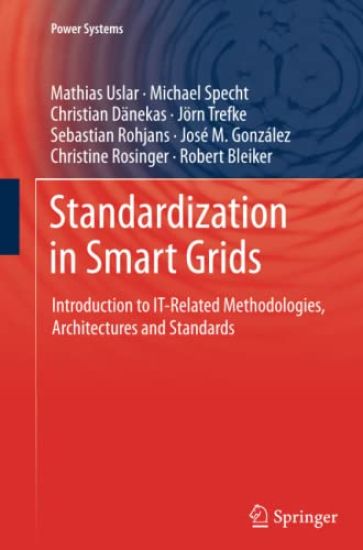
Standardization in Smart Grids

Standardization in Smart Grids

Mathias Uslar; Michael Specht; Christian Dänekas; Jörn Trefke; Sebastian Rohjans; José M. González; Christine Rosinger; Robert Bleiker
Springer-Verlag Berlin and Heidelberg GmbH Co. K
2015
nidottu
The first successful finished Smart Grid Prototype Projects deliver new requirements and best practices to meet them. These solutions will be the base for the upcoming norms and standards in the near future. This domain is not only part of one Standard developing Organization (SDO), but also of many different organizations like ITU, ISO, IEC and additionally for the electro mobility part the SAE. This results in many standards which are based on different aspects. Furthermore the European mirror organizations (ETSI,CEN, CENELEC) as well as the German mirror groups of these groups are involved, which are delivering further rules and adaption for the local market. Because of this diversity of organizations involved, it is difficult for the local companies (which includes energy utility, manufacturer and software producer specialized on integration) to identify the relevant trends, standardization groups and technologies necessary. With the EU Mandate M490 to CEN/CNELEC and TESI and the Commission being a driving force (e.g. ftp://ftp.cencenelec.eu/CENELEC/Smartgrid/SmartGridFinalReport.pdf and http://www.cenelec.eu/aboutcenelec/whatwedo/technologysectors/smartgrids.html) standardization becomes more and more important – but it’s complex and not easy to be understood. Here at OFFIS, we provide training but we are always asked for textbooks on our tranings. Based on our modules for the SG tranings, we would estimate the following chapters to be relevant to SG stakeholders in standardization (roughly 16-20 pages per chapter).
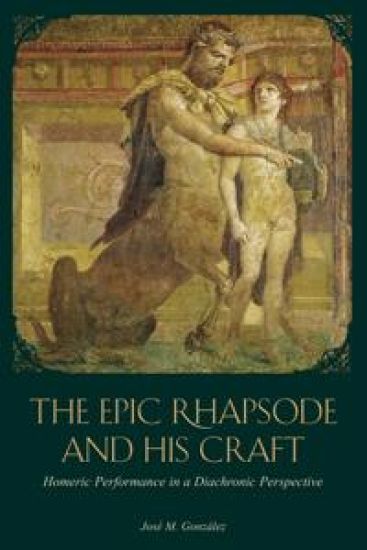
The Epic Rhapsode and His Craft

The Epic Rhapsode and His Craft

José M. González

Harvard University, Center for Hellenic Studies
2014
nidottu
The Epic Rhapsode and His Craft studies Homeric performance from archaic to Roman imperial times. It argues that oracular utterance, dramatic acting, and rhetorical delivery powerfully elucidate the practice of epic rhapsodes. Attention to the ways in which these performance domains informed each other over time reveals a shifting dynamic of competition and emulation among rhapsodes, actors, and orators that shaped their texts and their crafts. A diachronic analysis of this web of influences illuminates fundamental aspects of Homeric poetry: its inspiration and composition, the notional fixity of its poetic tradition, and the performance-driven textual fixation and writing of the Homeric poems. It also shows that rhapsodic practice is best understood as an evolving combination of revelation, interpretation, recitation, and dramatic delivery.
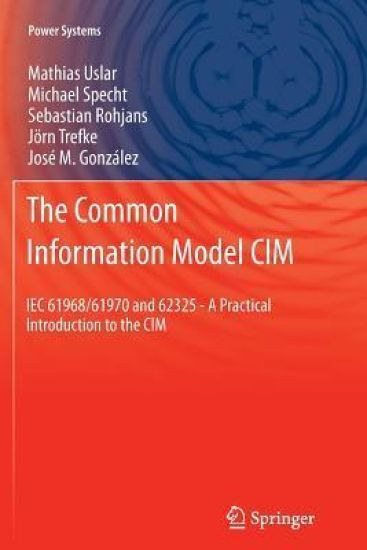
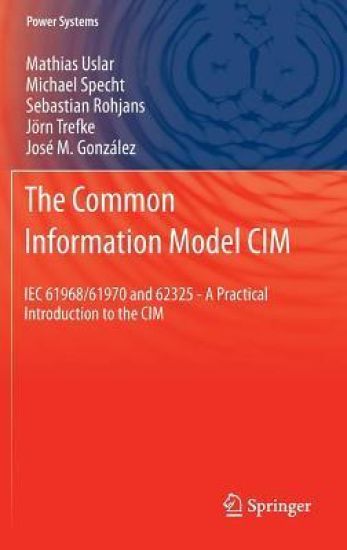
The Common Information Model CIM

The Common Information Model CIM

Mathias Uslar; Michael Specht; Sebastian Rohjans; Jörn Trefke; José M. González
Springer-Verlag Berlin and Heidelberg GmbH Co. K
2014
nidottu
Within the Smart Grid, the combination of automation equipment, communication technology and IT is crucial. Interoperability of devices and systems can be seen as the key enabler of smart grids. Therefore, international initiatives have been started in order to identify interoperability core standards for Smart Grids. IEC 62357, the so called Seamless Integration Architecture, is one of these very core standards, which has been identified by recent Smart Grid initiatives and roadmaps to be essential for building and managing intelligent power systems. The Seamless Integration Architecture provides an overview of the interoperability and relations between further standards from IEC TC 57 like the IEC 61970/61968: Common Information Model - CIM. CIM has proven to be a mature standard for interoperability and engineering; consequently, it is a cornerstone of the IEC Smart Grid Standardization Roadmap. This book provides an overview on how the CIM developed,in which international projects and roadmaps is has already been covered and describes the basic use cases for CIM. This book has been written for both Power Engineers trying to get to know the EMS and business IT part of Smart Grid and for Computer Scientist finding out where ICT technology is applied in EMS and DMS Systems. The book is divided into two parts dealing with the theoretical foundations and a practical part describing tools and use cases for CIM.
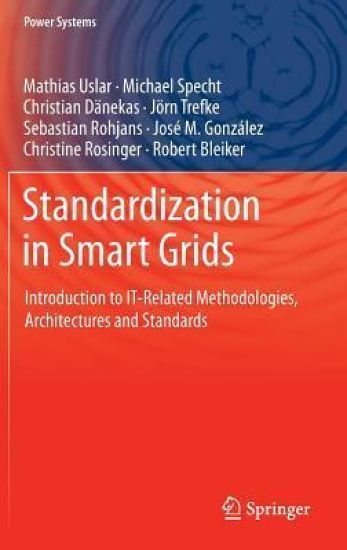
Standardization in Smart Grids

Standardization in Smart Grids

Mathias Uslar; Michael Specht; Christian Dänekas; Jörn Trefke; Sebastian Rohjans; José M. González; Christine Rosinger; Robert Bleiker
Springer-Verlag Berlin and Heidelberg GmbH Co. K
2013
sidottu
The first successful finished Smart Grid Prototype Projects deliver new requirements and best practices to meet them. These solutions will be the base for the upcoming norms and standards in the near future. This domain is not only part of one Standard developing Organization (SDO), but also of many different organizations like ITU, ISO, IEC and additionally for the electro mobility part the SAE. This results in many standards which are based on different aspects. Furthermore the European mirror organizations (ETSI,CEN, CENELEC) as well as the German mirror groups of these groups are involved, which are delivering further rules and adaption for the local market. Because of this diversity of organizations involved, it is difficult for the local companies (which includes energy utility, manufacturer and software producer specialized on integration) to identify the relevant trends, standardization groups and technologies necessary. With the EU Mandate M490 to CEN/CNELEC and TESI and the Commission being a driving force (e.g. ftp://ftp.cencenelec.eu/CENELEC/Smartgrid/SmartGridFinalReport.pdf and http://www.cenelec.eu/aboutcenelec/whatwedo/technologysectors/smartgrids.html) standardization becomes more and more important – but it’s complex and not easy to be understood. Here at OFFIS, we provide training but we are always asked for textbooks on our tranings. Based on our modules for the SG tranings, we would estimate the following chapters to be relevant to SG stakeholders in standardization (roughly 16-20 pages per chapter).
The Common Information Model CIM

The Common Information Model CIM

Mathias Uslar; Michael Specht; Sebastian Rohjans; Jörn Trefke; José M. González

Springer-Verlag Berlin and Heidelberg GmbH Co. K
2012
sidottu
Within the Smart Grid, the combination of automation equipment, communication technology and IT is crucial. Interoperability of devices and systems can be seen as the key enabler of smart grids. Therefore, international initiatives have been started in order to identify interoperability core standards for Smart Grids. IEC 62357, the so called Seamless Integration Architecture, is one of these very core standards, which has been identified by recent Smart Grid initiatives and roadmaps to be essential for building and managing intelligent power systems. The Seamless Integration Architecture provides an overview of the interoperability and relations between further standards from IEC TC 57 like the IEC 61970/61968: Common Information Model - CIM. CIM has proven to be a mature standard for interoperability and engineering; consequently, it is a cornerstone of the IEC Smart Grid Standardization Roadmap. This book provides an overview on how the CIM developed,in which international projects and roadmaps is has already been covered and describes the basic use cases for CIM. This book has been written for both Power Engineers trying to get to know the EMS and business IT part of Smart Grid and for Computer Scientist finding out where ICT technology is applied in EMS and DMS Systems. The book is divided into two parts dealing with the theoretical foundations and a practical part describing tools and use cases for CIM.