Kirjojen hintavertailu. Mukana 12 341 698 kirjaa ja 12 kauppaa.

Kirjailija

Joshua Pollard

Kirjat ja teokset yhdessä paikassa: 7 kirjaa, julkaisuja vuosilta 2002-2022, suosituimpien joukossa Stonehenge for the Ancestors. Vertaile teosten hintoja ja tarkista saatavuus suomalaisista kirjakaupoista.

7 kirjaa

Kirjojen julkaisuhaarukka 2002-2022.

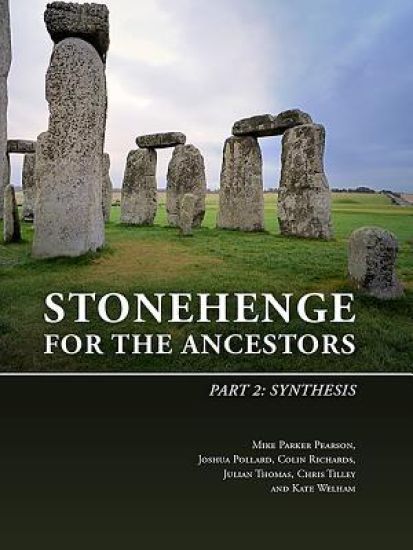
Stonehenge for the Ancestors

Stonehenge for the Ancestors

Mike Parker Pearson; Joshua Pollard; Colin Richards; Julian Thomas; Kate Welham

Sidestone Press
2020
sidottu
For many centuries, scholars and enthusiasts have been fascinated by Stonehenge, the world’s most famous stone circle. In 2003 a team of archaeologists commenced a long-term fieldwork project for the first time in decades. The Stonehenge Riverside Project (2003-2009) aimed to investigate the purpose of this unique prehistoric monument by considering it within its wider archaeological context.This is the first of four volumes which present the results of that campaign. It includes investigations of the monuments and landscape that pre-dated Stonehenge on Salisbury Plain as well as of excavation at Stonehenge itself. The main discovery at Stonehenge was of cremated human remains from many individuals, allowing their demography, health and dating to be established. With a revised radiocarbon-dated chronology for Stonehenge’s five stages of construction, these burials can now be considered within the context of the monument’s development. The different types of stone from which Stonehenge is formed – bluestones from Wales and sarsen silcretes from more local sources – are investigated both at Stonehenge and in its surroundings. These surrounding monuments include single standing stones, the Cuckoo Stone and the Tor Stone, as well as the newly discovered circle of Bluestonehenge at West Amesbury beside the River Avon. The ceremonial Stonehenge Avenue, linking Stonehenge to Bluestonehenge, is also included, based on a series of excavations along its length.The working hypothesis behind the Stonehenge Riverside Project links Stonehenge with a complex of timber monuments upstream at the great henge of Durrington Walls and neighbouring Woodhenge. Whilst these other sites are covered in a later volume (Volume 3), this volume explores the role of the River Avon and its topographic and environmental evidence.With contributions by:Umberto Albarella, Michael Allen, Olaf Bayer, Wayne Bennett, Richard Bevins, Christopher Bronk Ramsey, Chris Casswell, Andrew Chamberlain, Benjamin Chan, Rosamund Cleal, Gordon Cook, Glyn Davies, David Field, Charles French, Robert Ixer, Neil Linford, Peter Marshall, Louise Martin, Claudia Minniti, Doug Mitcham, Bob Nunn, Andy Payne, Mike Pitts, Rebecca Pullen, Julian Richards, David Robinson, Clive Ruggles, Jim Rylatt, Rob Scaife, Ellen Simmons, Charlene Steele, James Sugrue, Anne Teather, Sarah Viner, Tony Waldron, Katy Whitaker and Christie Willis
Stonehenge

Stonehenge

Mike Parker Pearson; Joshua Pollard; Colin Richards; Julian Thomas; Kate Welham

Council for British Archaeology
2015
nidottu
Stonehenge is an iconic monument for people all around the world. Built around 5000 years ago, it stands for mystery and forgotten secrets waiting to be decoded. In this latest book in the Council for British Archaeology’s ‘Archaeology for All’ series, Professor Mike Parker Pearson presents an up-to-date interpretation of Stonehenge and its landscape. Drawing on his years of research and excavation, the author presents a highly readable account that is lavishly illustrated with images by the renowned photographer Adam Stanford and the reconstruction artist Peter Dunn.
Stonehenge for the Ancestors

Stonehenge for the Ancestors

Mike Parker Pearson; Joshua Pollard; Colin Richards; Julian Thomas; Kate Welham

Sidestone Press
2022
nidottu
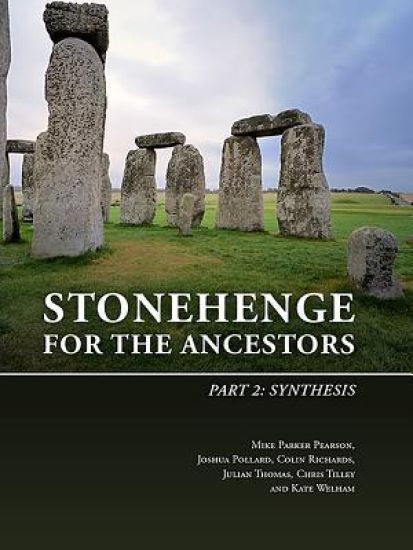
For many centuries, scholars and enthusiasts have been fascinated by Stonehenge, the world’s most famous stone circle. In 2003 a team of archaeologists commenced a long-term fieldwork project for the first time in decades. The Stonehenge Riverside Project (2003-2009) aimed to investigate the purpose of this unique prehistoric monument by considering it within its wider archaeological context.This is the second of four volumes which present the results of that campaign. It includes studies of the lithics from excavations, both from topsoil sampling and from excavated features, as well as of the petrography of the famous bluestones, as identified from chippings recovered during excavations. Other specialist syntheses are those of the land mollusca. The volume provides an overview of Stonehenge in its landscape over millennia from before the monument was built to the last of its five constructional stages. It concludes with a chapter placing Stonehenge in its full context within Britain and western Europe during the third millennium BC.With contributions by:Umberto Albarella, Michael Allen, Richard Bevins, Benjamin Chan, Robert Ixer, Claudia Minniti, Doug Mitcham and Sarah Viner-Daniels
Stonehenge for the Ancestors

Stonehenge for the Ancestors

Mike Parker Pearson; Joshua Pollard; Colin Richards; Julian Thomas; Kate Welham

Sidestone Press
2022
sidottu
For many centuries, scholars and enthusiasts have been fascinated by Stonehenge, the world’s most famous stone circle. In 2003 a team of archaeologists commenced a long-term fieldwork project for the first time in decades. The Stonehenge Riverside Project (2003-2009) aimed to investigate the purpose of this unique prehistoric monument by considering it within its wider archaeological context.This is the second of four volumes which present the results of that campaign. It includes studies of the lithics from excavations, both from topsoil sampling and from excavated features, as well as of the petrography of the famous bluestones, as identified from chippings recovered during excavations. Other specialist syntheses are those of the land mollusca. The volume provides an overview of Stonehenge in its landscape over millennia from before the monument was built to the last of its five constructional stages. It concludes with a chapter placing Stonehenge in its full context within Britain and western Europe during the third millennium BC.With contributions by:Umberto Albarella, Michael Allen, Richard Bevins, Benjamin Chan, Robert Ixer, Claudia Minniti, Doug Mitcham and Sarah Viner-Daniels
Stonehenge for the Ancestors

Stonehenge for the Ancestors

Mike Parker Pearson; Joshua Pollard; Colin Richards; Julian Thomas; Kate Welham

Sidestone Press
2020
nidottu
For many centuries, scholars and enthusiasts have been fascinated by Stonehenge, the world’s most famous stone circle. In 2003 a team of archaeologists commenced a long-term fieldwork project for the first time in decades. The Stonehenge Riverside Project (2003-2009) aimed to investigate the purpose of this unique prehistoric monument by considering it within its wider archaeological context.This is the first of four volumes which present the results of that campaign. It includes investigations of the monuments and landscape that pre-dated Stonehenge on Salisbury Plain as well as of excavation at Stonehenge itself. The main discovery at Stonehenge was of cremated human remains from many individuals, allowing their demography, health and dating to be established. With a revised radiocarbon-dated chronology for Stonehenge’s five stages of construction, these burials can now be considered within the context of the monument’s development. The different types of stone from which Stonehenge is formed – bluestones from Wales and sarsen silcretes from more local sources – are investigated both at Stonehenge and in its surroundings. These surrounding monuments include single standing stones, the Cuckoo Stone and the Tor Stone, as well as the newly discovered circle of Bluestonehenge at West Amesbury beside the River Avon. The ceremonial Stonehenge Avenue, linking Stonehenge to Bluestonehenge, is also included, based on a series of excavations along its length.The working hypothesis behind the Stonehenge Riverside Project links Stonehenge with a complex of timber monuments upstream at the great henge of Durrington Walls and neighbouring Woodhenge. Whilst these other sites are covered in a later volume (Volume 3), this volume explores the role of the River Avon and its topographic and environmental evidence.With contributions by:Umberto Albarella, Michael Allen, Olaf Bayer, Wayne Bennett, Richard Bevins, Christopher Bronk Ramsey, Chris Casswell, Andrew Chamberlain, Benjamin Chan, Rosamund Cleal, Gordon Cook, Glyn Davies, David Field, Charles French, Robert Ixer, Neil Linford, Peter Marshall, Louise Martin, Claudia Minniti, Doug Mitcham, Bob Nunn, Andy Payne, Mike Pitts, Rebecca Pullen, Julian Richards, David Robinson, Clive Ruggles, Jim Rylatt, Rob Scaife, Ellen Simmons, Charlene Steele, James Sugrue, Anne Teather, Sarah Viner, Tony Waldron, Katy Whitaker and Christie Willis
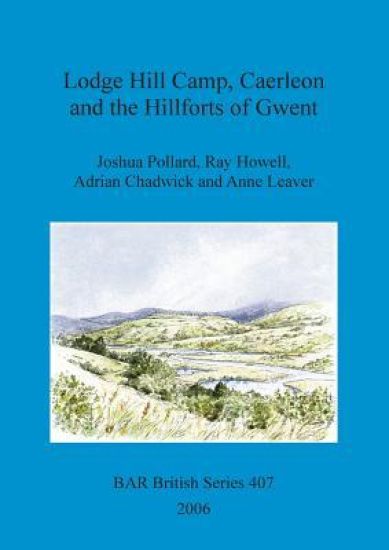
Lodge Hill Camp, Caerleon, and the hillforts of Gwent

Lodge Hill Camp, Caerleon, and the hillforts of Gwent

Adrian M. Chadwick; Ray Howell; Anne Leaver; Joshua Pollard

BAR Publishing
2006
nidottu
This volume describes work on the Iron Age hillfort of Lodge Hill Camp, in Gwent, south-east Wales. Situated adjacent to the later Roman legionary fortress at Caerleon, the hillfort has, until recently, received little archaeological attention. Excavation was undertaken during the summer of 2000 within the interior of the hillfort, at its western entrance, and across the inner bank and ditch of the defences. An extended discussion is offered of Lodge Hills position within the regional Iron Age sequence, and of Roman and early Medieval reuse of hillforts in south Wales. The results of geophysical and earthwork survey at the hillfort of Llanmelin, near Chepstow, are also reported on.Contents: 1) Introduction (Joshua Pollard, Michael Hamilton & Neil Phillips); 2) Excavation Results (Joshua Pollard, Adrian Chadwick & Lesley McFadyen); 3) Artefactual Material [Ironwork (Philip Macdonald); Metalworking slags (Tim Young); Prehistoric pottery (Rick Peterson, Joshua Pollard & Elaine Morris); Droitwich briquetage (Joshua Pollard & Elaine Morris); Roman pottery (Ray Howell & Joshua Pollard); Medieval pottery (Rick Peterson & Joshua Pollard); Brick and tile (Joshua Pollard); Fired clay (Joshua Pollard); Worked flint (Joshua Pollard); Other worked stone (Joshua Pollard) ]; 4) Environmental Evidence (Ruth Young); 5) Discussion: Lodge Hill Camp and the hillforts of Gwent (Joshua Pollard, Ray Howell, Adrian Chadwick & Lesley McFadyen); 7) Appendix 1. Llanmelin Hillfort, Caerwent: geophysical and earthwork survey (Daryl Williams).
Avebury

Avebury

Joshua Pollard; Andrew Reynolds

The History Press Ltd
2002
nidottu
Designated a World Heritage Site, the landscape around Avebury in north Wiltshire contains a remarkable wealth of archaeological remains, including some of the most spectacular prehistoric monuments in Europe. Incorporating extensive research and fieldwork from the last ten years, this is the only book to explore the landscape context of Avebury over six millennia. There is of course a full description and interpretation of the impressive Neolithic monuments within the immediate area (including the Avebury henge itself), but the authors range far wider in both space and time. Extending from early prehistory, through the Roman occupation, to the Anglo-Saxon and later medieval periods, their comprehensive study works through a series of interrelated themes such as histories of occupation, the modification of the landscape and the changing perceptions of past populations. Both authors have worked for ten years on large-scale field projects in the Avebury region.