Kirjojen hintavertailu. Mukana 12 595 353 kirjaa ja 12 kauppaa.

Kirjailija

Joshua T. James

Kirjat ja teokset yhdessä paikassa: 3 kirjaa, julkaisuja vuosilta 2017-2023, suosituimpien joukossa Psalms for Normal People. Vertaile teosten hintoja ja tarkista saatavuus suomalaisista kirjakaupoista.

Mukana myös kirjoitusasut: Joshua T James

3 kirjaa

Kirjojen julkaisuhaarukka 2017-2023.

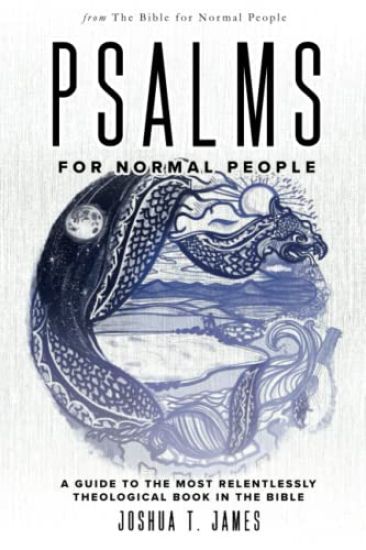
Psalms for Normal People

Psalms for Normal People

Joshua T James

Bible for Normal People
2023
pokkari
For millennia the psalms have been whispered in prayer, lifted in song, and recited in worship. They are among the most well-known and beloved writings in the Bible. And yet...Our familiarity with ancient Israel's sacred songs can obscure their strangeness. Their otherness. Their ... well ... ancientness.Join Joshua T. James as he unpacks the biblical scholarship surrounding this enduring collection of poetry and songs, from the ancient psalmists' cultural, political and theological contexts to the key movements in Psalms' scholarship. By illuminating the oddities hiding in plain sight, James unveils the wonder and mystery inherent in the psalms, and makes a compelling case for their relevance today.
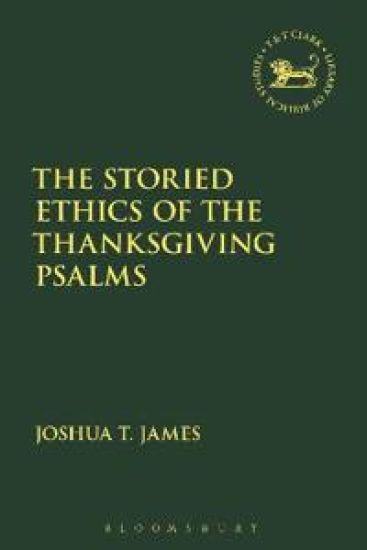
The Storied Ethics of the Thanksgiving Psalms
Drawing on research from the field of narrative ethics, The Storied Ethics of the Thanksgiving Psalms argues that story and storytelling function as important instruments in a given community’s ethical shaping. While this argument has gained some traction in the field of Old Testament ethics, it has yet to inform an ethical reading of non-narrative texts, such as the Psalter. However, because the thanksgiving psalms are characterized by their inclusion of the worshipper’s story, they stand to benefit from the application of a narrative ethical approach.In the present study, this argument is tested through a close reading of three thanksgivings – Psalms 116, 118, and 138 – each of which clearly demonstrates a didactic concern. Yahweh is presented as one who is worthy of trust, even in the midst of personal disaster. The affirmation of Yahweh’s character provides the framework for the community’s continued (or renewed) commitment and trust, hope and expectancy. The example provided by the worshipper challenges the audience to pray as they prayed, to trust as they trust, to live with hope as they live with hope. In addition, these psalms, and the stories they retell, invite the audience to tell their story when God answers their prayers, and to do so in public, in corporate worship, for the benefit of the community.These intended results – prayer, commitment, trust, hope, expectancy, public storytelling and thanksgiving – are not typically pursued in “ethical” studies, but they are clearly part of the Psalter’scomprehensive vision of the ethical life and are, therefore, worthy of careful consideration.
The Storied Ethics of the Thanksgiving Psalms
Drawing on research from the field of narrative ethics, The Storied Ethics of the Thanksgiving Psalms argues that story and storytelling function as important instruments in a given community’s ethical shaping. While this argument has gained some traction in the field of Old Testament ethics, it has yet to inform an ethical reading of non-narrative texts, such as the Psalter. However, because the thanksgiving psalms are characterized by their inclusion of the worshipper’s story, they stand to benefit from the application of a narrative ethical approach.In the present study, this argument is tested through a close reading of three thanksgivings – Psalms 116, 118, and 138 – each of which clearly demonstrates a didactic concern. Yahweh is presented as one who is worthy of trust, even in the midst of personal disaster. The affirmation of Yahweh’s character provides the framework for the community’s continued (or renewed) commitment and trust, hope and expectancy. The example provided by the worshipper challenges the audience to pray as they prayed, to trust as they trust, to live with hope as they live with hope. In addition, these psalms, and the stories they retell, invite the audience to tell their story when God answers their prayers, and to do so in public, in corporate worship, for the benefit of the community.These intended results – prayer, commitment, trust, hope, expectancy, public storytelling and thanksgiving – are not typically pursued in “ethical” studies, but they are clearly part of the Psalter’scomprehensive vision of the ethical life and are, therefore, worthy of careful consideration.