Kirjojen hintavertailu. Mukana 12 595 353 kirjaa ja 12 kauppaa.

Kirjailija

József Debreczeni

Kirjat ja teokset yhdessä paikassa: 10 kirjaa, julkaisuja vuosilta 2024-2026, suosituimpien joukossa Kylmä krematorio. Vertaile teosten hintoja ja tarkista saatavuus suomalaisista kirjakaupoista.

10 kirjaa

Kirjojen julkaisuhaarukka 2024-2026.

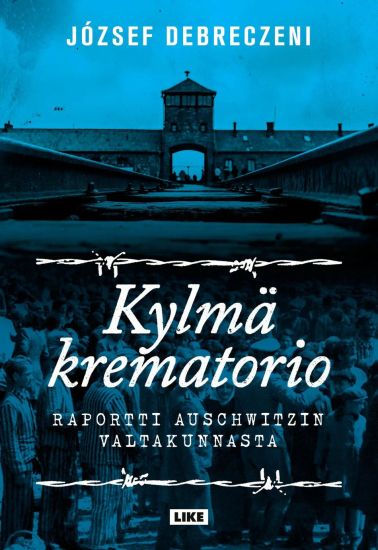
Kylmä krematorio

Kylmä krematorio

József Debreczeni

Otava
2025
sidottu
Keskitysleireiltä selviytyneen lehtimiehen silminnäkijäkuvaus "Auschwitzin valtakunnan" kauheuksista. Unkarinjuutalainen József Debreczeni kertoo journalistin kylmäpäisellä tarkkuudella koettelemuksistaan kolmella eri pakkotyöleirillä. Vuoden kestänyttä vankeutta leimasivat väkivalta, nälkä, sairaudet ja alituinen pelko, jota satunnaiset toveruuden ja inhimillisyyden pilkahdukset eivät onnistuneet lievittämään.Debreczeni on kirjannut muistonsa tuoreeltaan sodan jälkeen. Vuonna 1950 ilmestynyt, palkittu muistelmateos julkaistiin vasta vuonna 2023 englanniksi, ja siitä tuli arvostelumenestys. Debreczeniä on verrattu Primo Leviin, ja teosta on luonnehdittu holokaustikirjallisuuden helmeksi.
Koldt krematorium

Koldt krematorium

József Debreczeni

Peoples Press
2026
nidottu
”Egoismen hersker i skidtets og lusenes urskov.” Koldt krematorium er med forfatterens egne ord en fortælling fra ”landet Auschwitz”. Den er skrevet umiddelbart efter krigen, hvor Debreczenis oplevelser lå helt tæt på, i en nøgtern tone, der undgår enhver form for sentimentalitet, hvilket gør det til en dybt rystende læseoplevelse. I en kold, næsten følelsesløs og analytisk stil undersøger Debreczeni lejrenes sande natur, slaveriets mekanismer, lejrens sociale orden og de måder, hvorpå menneskene konstant blev berøvet deres menneskelighed. Der er ingen fortrolighed, ingen trøst, intet fællesskab og intet heltemod. Værket blev oprindeligt udgivet på ungarsk i 1950 i Jugoslavien og er en af de første – måske endda det første – værk inden for Holocaust-litteratur, der blev udgivet i det kommunistiske Østeuropa. Nu, mere end 70 år efter den første udgivelse, er denne kraftfulde bog blevet genopdaget og bliver genudgivet til fremragende anmeldelser verden over.
Cold Crematorium: Reporting from the Land of Auschwitz

Cold Crematorium: Reporting from the Land of Auschwitz

József Debreczeni

St. Martin's Griffin
2025
nidottu
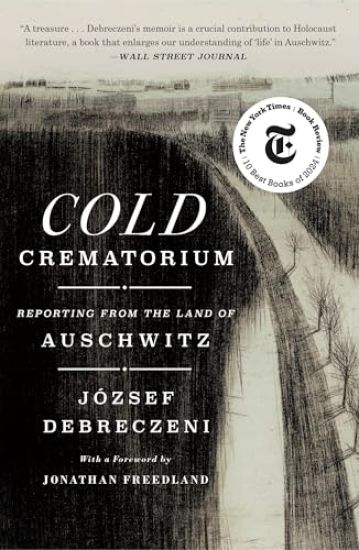
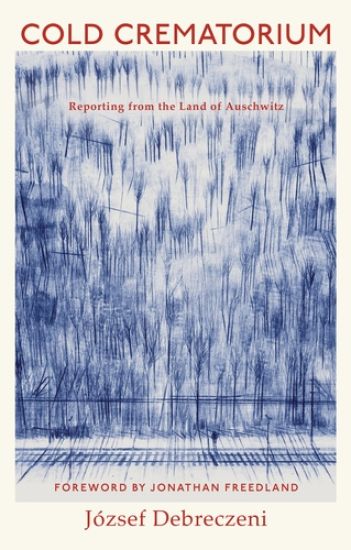
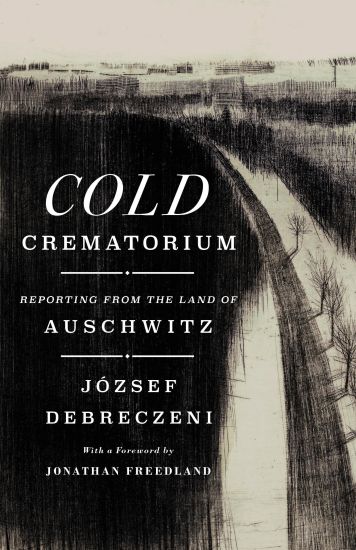
National Jewish Book Award finalist and one of the New York Times Book Review's 10 Best Books of 2024 A lost classic of Holocaust literature translated for the first time--from journalist, poet and survivor J zsef Debreczeni"As immediate a confrontation of the horrors of the camps as I've ever encountered. It's also a subtle if startling meditation on what it is to attempt to confront those horrors with words...Debreczeni has preserved a panoptic depiction of hell, at once personal, communal and atmospheric." --New York Times"A treasure...Debreczeni's memoir is a crucial contribution to Holocaust literature, a book that enlarges our understanding of 'life' in Auschwitz." --Wall Street Journal"A literary diamond...A holocaust memoir worthy of Primo Levi." --The Times of LondonJ zsef Debreczeni, a prolific Hungarian-language journalist and poet, arrived in Auschwitz in 1944; had he been selected to go left, his life expectancy would have been approximately forty-five minutes. One of the "lucky" ones, he was sent to the right, which led to twelve horrifying months of incarceration and slave labor in a series of camps, ending in the "Cold Crematorium"--the so-called hospital of the forced labor camp D rnhau, where prisoners too weak to work awaited execution. But as Soviet and Allied troops closed in on the camps, local Nazi commanders--anxious about the possible consequences of outright murder--decided to leave the remaining prisoners to die in droves rather than sending them directly to the gas chambers. Debreczeni recorded his experiences in Cold Crematorium, one of the harshest, most merciless indictments of Nazism ever written. This haunting memoir, rendered in the precise and unsentimental style of an accomplished journalist, is an eyewitness account of incomparable literary quality. The subject matter is intrinsically tragic, yet the author's evocative prose, sometimes using irony, sarcasm, and even acerbic humor, compels the reader to imagine human beings in circumstances impossible to comprehend intellectually. First published in Hungarian in 1950, it was never translated into a world language due to McCarthyism, Cold War hostilities and antisemitism. More than 70 years later, this masterpiece that was nearly lost to time will be available in 15 languages, finally taking its rightful place among the greatest works of Holocaust literature.
Kallt krematorium : ögonvittnesskildring från Landet Auschwitz

Kallt krematorium : ögonvittnesskildring från Landet Auschwitz

József Debreczeni; Jonathan Freedland

Lind Co
2025
sidottu
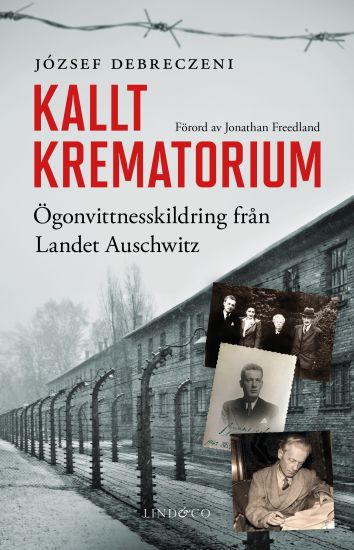
"riktigt välskriven och fängslande text ... en väsentlig och stark skildring som äntligen har fått fin svensk språkdräkt. Verkligen läsvärd och förtjänar att läsas!" Btj, betyg: 5/5"Den överlevande József Debreczeni publicerade egentligen sitt verk redan 1950, men boken lät sig inte inrättas i vare sig västlig eller östlig historieskrivning under kalla kriget och tystades därför ner. En omständighet som, förstås, gör den ännu angelägnare."Dagens Nyheter Journalisten och författaren József Debreczeni anländer till Auschwitz 1944. Tolv fruktansvärda månader av fångenskap och slavarbete i en rad olika läger följer. Slutstationen är ett kallt krematorium det så kallade sjukhuset i tvångsarbetslägret Dörnhau, där fångar för svaga för att arbeta väntar på att bli avrättade. När sovjetiska och allierade trupper närmar sig lägren beslutar lokala nazistbefälhavare att lämna de återstående fångarna att dö. Debreczenis Kallt krematorium är en av de hårdaste och mest skoningslösa anklagelserna mot nazismen som någonsin skrivits. Denna gripande och osentimentala memoar är en ögonvittnesskildring med stora litterära kvaliteter. Boken publicerades först på ungerska 1950, men översattes aldrig till något annat språk på grund av det kalla kriget. Mer än 70 år senare är detta mästerverk, som nästan gick förlorat, tillgängligt på 15 språk och kan äntligen inta sin rättmätiga plats bland de största verken inom förintelselitteraturen.JÓZSEF DEBRECZENI (Budapest 1905 Belgrad 1978) pseudonym för József Bruner, författare och journalist från regionen Vojvodina i Jugoslavien (dagens Serbien). Han skrev romaner, poesi och pjäser. Efter kriget jobbade han för ungerskspråkig media i Vojvodina, såväl som Belgrads stora nyhetstidningar."Debreczeni förenar den styva journalistens sinne för att återge individer, detaljer och miljöer med en sociologs och etnografs förståelse för det större skeendet. Allt med en poets språkkänsla." Hynek Pallas, Göteborgs-Posten "Den mest omedelbara konfrontation med lägrens fasor som jag någonsin har stött på. [...] Debreczeni har bevarat en panoptisk skildring av helvetet, på en gång personlig, gemensam och stämningsfull." New York Times "En memoarbok om Förintelsen värdig Primo Levi." The Times of London "Den borde vara obligatorisk läsning." Jonathan Safran Foer, författare till Allt är upplyst"En läglig påminnelse om människans omänsklighet mot människan." Jung Chang, författare till Vilda svanar"En skatt [...] Debreczenis memoarer är ett avgörande bidrag till förintelselitteraturen, en bok som vidgar vår förståelse av 'livet' i Auschwitz." Wall Street Journal
Cold Crematorium

Cold Crematorium

József Debreczeni; Jonathan Freedland

Vintage Publishing
2025
pokkari
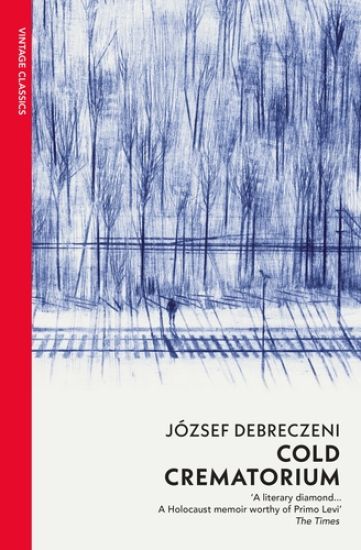
This lost classic, a crystal clear eyewitness account of the Holocaust, has been translated into English for the first time, 70 years after it was first published.'A literary diamond... A holocaust memoir worthy of Primo Levi' The Times'A masterpiece' New Statesman**SELECTED AS ONE OF THE 10 BEST BOOKS OF 2024 BY THE NEW YORK TIMES**For many years this powerful classic of Holocaust literature was forgotten. József Debreczeni was a journalist and poet who arrived in Auschwitz in 1944. He survived the initial selection and endured twelve months of incarceration and slave labour in a series of camps. He ended up in the ‘Cold Crematorium’, the so-called hospital of the forced labour camp Dörnhau, where prisoners too weak to work were left to die. Debreczeni beat the odds and survived. This is his story, written in haunting, lyrical prose, compelling us to imagine the unimaginable.Although published in Hungarian in 1950, the book was then lost for the next seventy years. Now, finally, this important eyewitness account takes its place among the great works of Holocaust literature.WITH AN INTRODUCTION BY JONATHAN FREEDLAND
Crematorio Frío: Una Crónica de Auschwitz / Cold Crematorium
«Crematorio fr o es una obra literaria esencial y un testimonio hist rico de insuperable importancia. Deber a ser de lectura obligatoria . Jonathan Safran Foer Una joya extraviada de la literatura h ngara sobre el Holocausto que ha permanecido in dita durante d cadas. Un testimonio inigualable de Auschwitz. J zsef Debreczeni, un prol fico periodista y poeta en lengua h ngara, lleg a Auschwitz en 1944 con treinta y nueve a os; si hubiera sido seleccionado para ir «a la izquierda , su esperanza de vida habr a sido de cuarenta y cinco minutos. «Afortunado , fue enviado «a la derecha , lo que supuso doce aterradores meses de esclavitud en una serie de campos de concentraci n, culminando en el Crematorio Fr o --el supuesto campo-hospital de D rnhau, donde los prisioneros demasiado d biles esperaban su ejecuci n. Debreczeni registr sus experiencias en estas memorias, una de las acusaciones m s crueles y despiadadas contra el nazismo jam s escritas. Este escalofriante documento, redactado con el estilo conciso y desprovisto de sentimentalismo de un periodista consumado, es un testimonio de calidad literaria incomparable. Publicadas por primera vez en 1950 en h ngaro, nunca se tradujeron debido al macartismo, las hostilidades de la Guerra Fr a y el antisemitismo de la poca. Ahora, m s de setenta a os despu s, esta obra maestra que estuvo a punto de perderse en el tiempo se publica en m s de quince idiomas, ocupando finalmente su leg timo lugar entre las m s grandes obras de la literatura del Holocausto. ENGLISH DESCRIPTION A lost jewel of Hungarian literature about the Holocaust that went unpublished for decades. A harrowing first-hand testimony of surviving Auschwitz. J zsef Debreczeni, a prolific Hungarian journalist and poet, was deported to Auschwitz in 1944, at the age of thirty-nine. Had he been ordered to go to "the left," his life would have been over in approximately forty-five minutes. Instead, he was "lucky" and was told to go "right," condemning him to twelve horrifying months of slave labor in a series of concentration camps. His final stop was the Cold Crematorium -- the so-called hospital camp of D rnhau, where the weakest prisoners were sent to await execution. These memoirs recount Debreczeni's experiences and amount to one of the boldest and most merciless condemnations of Nazism ever written. This chilling document, written in the concise and unsentimental style of a practiced journalist, is a first-hand testimony that stands up to the highest literary standards. First published in 1950 in Hungarian, Debreczeni's account went untranslated in a climate of McCarthyism, the Cold War and anti-Semitism. More than seventy years later, this lost masterpiece has now been released in more than fifteen languages, finally taking its place among the greatest examples of Holocaust literature.
Cold Crematorium

Cold Crematorium

József Debreczeni; Jonathan Freedland

Vintage Publishing
2024
sidottu
A lost classic of Holocaust literature translated for the first time - from journalist, poet and survivor József Debreczeni'A literary diamond... A holocaust memoir worthy of Primo Levi' THE TIMES'A masterpiece' NEW STATESMANWhen József Debreczeni arrived in Auschwitz in 1944, had he been selected to go 'left', his life expectancy would have been approximately forty-five minutes. One of the 'lucky' ones, he was sent to the 'right', which led to twelve horrifying months of incarceration and slave labour in a series of camps, ending in the 'Cold Crematorium' - the so-called hospital of the forced labour camp Dörnhau, where prisoners too weak to work were left to die.Debreczeni beat the odds and survived. Very soon he committed his experiences to paper in Cold Crematorium, one of the harshest and powerful indictments of Nazism ever written. This haunting memoir, rendered in the precise and unsentimental prose of an accomplished journalist, compels the reader to imagine human beings in circumstances impossible to comprehend intellectually.First published in Hungarian in 1950, it was never translated due to the rise of McCarthyism, Cold War hostilities and antisemitism. This important eyewitness account that was nearly lost to time will be available in fifteen languages, finally taking its rightful place among the great works of Holocaust literature more than seventy years after it was first published.
Cold Crematorium: Reporting from the Land of Auschwitz

Cold Crematorium: Reporting from the Land of Auschwitz

József Debreczeni

St. Martin's Press
2024
sidottu
National Jewish Book Award finalist and one of the New York Times Book Review's 10 Best Books of 2024 A lost classic of Holocaust literature translated for the first time--from journalist, poet and survivor J zsef Debreczeni"As immediate a confrontation of the horrors of the camps as I've ever encountered. It's also a subtle if startling meditation on what it is to attempt to confront those horrors with words...Debreczeni has preserved a panoptic depiction of hell, at once personal, communal and atmospheric." --New York Times"A treasure...Debreczeni's memoir is a crucial contribution to Holocaust literature, a book that enlarges our understanding of 'life' in Auschwitz." --Wall Street Journal"A literary diamond...A holocaust memoir worthy of Primo Levi." --The Times of LondonJ zsef Debreczeni, a prolific Hungarian-language journalist and poet, arrived in Auschwitz in 1944; had he been selected to go left, his life expectancy would have been approximately forty-five minutes. One of the "lucky" ones, he was sent to the right, which led to twelve horrifying months of incarceration and slave labor in a series of camps, ending in the "Cold Crematorium"--the so-called hospital of the forced labor camp D rnhau, where prisoners too weak to work awaited execution. But as Soviet and Allied troops closed in on the camps, local Nazi commanders--anxious about the possible consequences of outright murder--decided to leave the remaining prisoners to die in droves rather than sending them directly to the gas chambers. Debreczeni recorded his experiences in Cold Crematorium, one of the harshest, most merciless indictments of Nazism ever written. This haunting memoir, rendered in the precise and unsentimental style of an accomplished journalist, is an eyewitness account of incomparable literary quality. The subject matter is intrinsically tragic, yet the author's evocative prose, sometimes using irony, sarcasm, and even acerbic humor, compels the reader to imagine human beings in circumstances impossible to comprehend intellectually. First published in Hungarian in 1950, it was never translated into a world language due to McCarthyism, Cold War hostilities and antisemitism. More than 70 years later, this masterpiece that was nearly lost to time will be available in 15 languages, finally taking its rightful place among the greatest works of Holocaust literature.