Kirjojen hintavertailu. Mukana 12 390 323 kirjaa ja 12 kauppaa.

Kirjailija

Juan Pablo Arroyo

Kirjat ja teokset yhdessä paikassa: 2 kirjaa, julkaisuja vuosilta 2013-2015, suosituimpien joukossa Back to Basics in Physiology. Vertaile teosten hintoja ja tarkista saatavuus suomalaisista kirjakaupoista.

2 kirjaa

Kirjojen julkaisuhaarukka 2013-2015.

Back to Basics in Physiology

Back to Basics in Physiology

Juan Pablo Arroyo; Adam J. Schweickert

Academic Press Inc
2015
nidottu
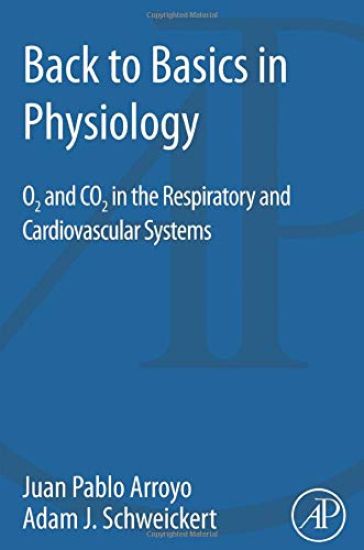
Back to Basics in Physiology: O2 and CO2 in the Respiratory and Cardiovascular Systems exploits the gap that exists in current physiology books, tackling specific problems and evaluating their repercussions on systemic physiology. It is part of a group of books that seek to provide a bridge for the basic understanding of science and its direct translation to the clinical setting, with a final aim of helping readers further comprehend the basic science behind clinical observations. The book is interspersed with clinical correlates and key facts, as the authors believe that highlighting direct patient care issues leads to improved understanding and retention. Physiology students, including graduate and undergraduate students, nursing students, physician associate students, and medical students will find this to be a great reference tool as part of an introductory course, or as review material.
Back to Basics in Physiology

Back to Basics in Physiology

Juan Pablo Arroyo; Adam J. Schweickert

Academic Press Inc
2013
nidottu
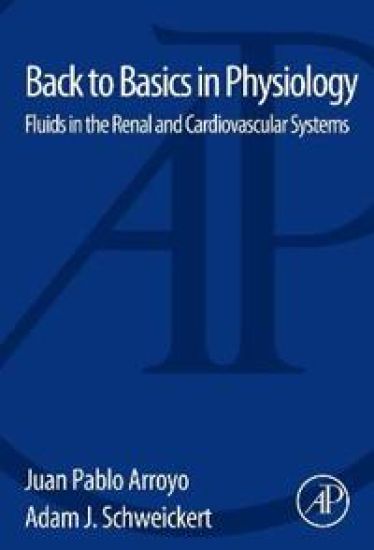
This original six chapter book will briefly review and integrate the basic concepts behind water distribution and movement in the body. This fills a knowledge gap that most medical and undergraduate physiology students acquire when these topics are studied separately. As of now, there is no textbook that fully integrates renal, cardiovascular and water physiology in a clear understandable manner. The book is intended primarily for medical students and undergraduate physiology students. Chapters include: 1) Water and its Distribution; 2) Water Dynamics; 3) Fluid Handling by the Heart and Blood Vessels; 4) Fluid Handling by the Kidneys; 5) Water and Oxygen Delivery; 6) Integration in the Response to Hemorrhage, Volume Depletion, and Water Redistribution.