Kirjojen hintavertailu. Mukana 12 530 820 kirjaa ja 12 kauppaa.
Kirjailija
Judith A. Howard
Kirjat ja teokset yhdessä paikassa: 6 kirjaa, julkaisuja vuosilta 1996-2022, suosituimpien joukossa Gendered Situations, Gendered Selves. Vertaile teosten hintoja ja tarkista saatavuus suomalaisista kirjakaupoista.
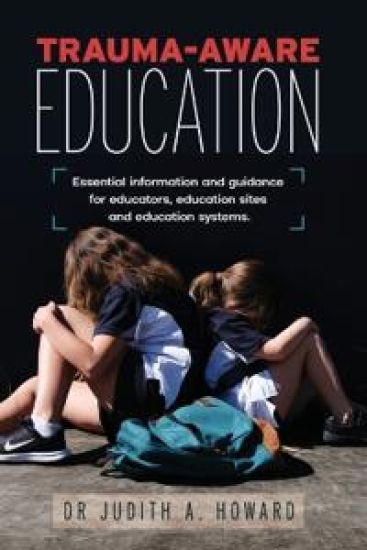
Now, more than ever, in a world of stress, disadvantage and unpredictability, schools struggle to manage the confronting needs of some of our most disadvantaged and vulnerable learners -- those suffering complex trauma. This type of trauma stems from repeated interpersonal harm done to children, including physical, emotional, or sexual abuse, significant neglect, and the experience of family or other relational violence. These learners require a 'trauma-aware' response. Behaviour management techniques that may work for most learners often fail when used with trauma-impacted children. Which is why Dr Judith Howard, a world-recognised leader in trauma-aware education, wrote this book. It assists educators from an individual and system perspective in developing trauma-aware education frameworks to enable learners and educators to avoid the devastating effects of complex trauma on mental health. It examines and discusses the impacts of complex and other trauma on learners and how trauma-aware education provides an informed approach to remedy these concerns. Topics covered include: - the impacts of complex trauma - the evidence-base for trauma-aware education - a paradigm shift in the way learner behaviours are 'managed' - effective strategies for a trauma-aware education response - working with learners who live with disability - a trauma-aware approach for early childhood education and care - maintaining well-being for educators - leadership of trauma-aware education in sites and systems.
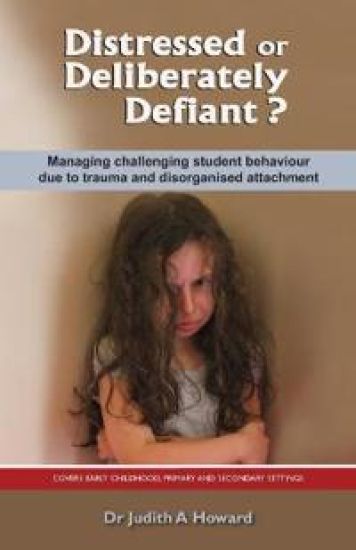
It is not unusual for educators today, whether in the early childhood, primary or secondary sectors, to be confronted with severely challenging student behaviour - students who fly into unexplained violent and oppositional outbursts with little warning; who respond poorly to tried-and-true behaviour management processes. Such behaviour has considerable impact on the delivery of teaching and learning programs and the emotional wellbeing of the teachers themselves as well as raising safety risks for the entire school community. This book explains the basis for such behaviour as the neurological, physiological and behavioural outcomes of ""disorganised attachment"" due to prolonged exposure to a traumatic home life and provides practical advice to educators on ways that schools can effectively manage these students. By examining the science behind attachment theory, the neurobiology of behaviour, and the manifestation of disorganised attachment in the school context, this book will help educators: minimise such challenging behaviour, manage crises and disciplinary responses such as suspension and expulsion, improve student compliance, enhance education and overall wellbeing, anddeal with parents. Covers early childhood, primary and secondary settings.
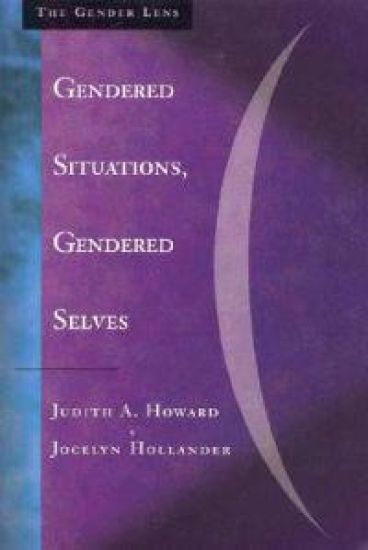
The second edition of Gendered Situations, Gendered Selves has been updated throughout, and is an ideal introduction to the discussion of gender in social psychology. The book examines the basic underpinnings of everyday interaction: from how we think, to who we see ourselves and others to be, to how we interact with others. Each of these processes is based on both social psychology and gender (as differentiated from sex), as well as our racial backgrounds, ethnic heritages, socioeconomic circumstances, sexualities, and national histories. The authors present and critique each of the major theories of social psychology, social exchange, social cognition, and symbolic interaction. In doing so, the book introduces a full array of key concepts in social psychology—perception, stereotyping, attribution, self-presentation, impression management, defining social situations, exchanging resources, and balancing power and dependence in social relations. The book also discusses two fundamental aspects of human behavior—the dynamics of helping and harming. The second edition incorporates discussions of contemporary psychological and sociological research and features powerful new examples, including 9/11 and the election of Barack Obama.
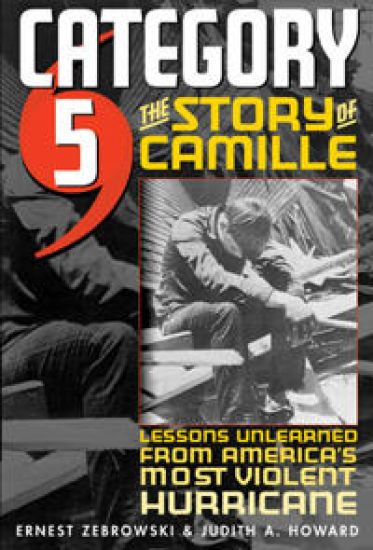
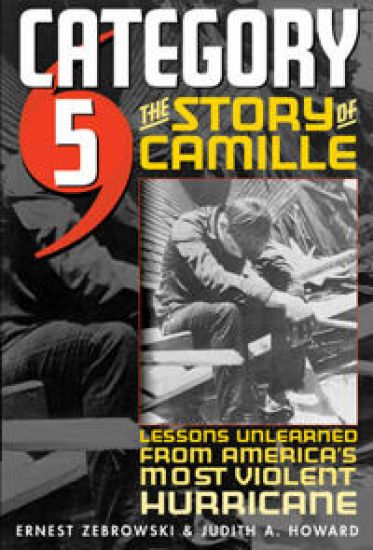
". . . the authors sound a pessimistic note about society's short-term memory in their sobering, able history of Camille" --Booklist"This highly readable account aimed at a general audience excels at telling the plight of the victims and how local political authorities reacted. The saddest lesson is how little the public and the government learned from Camille. Highly recommended for all public libraries, especially those on the Gulf and East coasts."—Library Journal onlineAs the unsettled social and political weather of summer 1969 played itself out amid the heat of antiwar marches and the battle for civil rights, three regions of the rural South were devastated by the horrifying force of Category 5 Hurricane Camille. Camille's nearly 200 mile per hour winds and 28-foot storm surge swept away thousands of homes and businesses along the Gulf Coast of Louisiana and Mississippi. Twenty-four oceangoing ships sank or were beached; six offshore drilling platforms collapsed; 198 people drowned. Two days later, Camille dropped 108 billion tons of moisture drawn from the Gulf onto the rural communities of Nelson County, Virginia-nearly three feet of rain in 24 hours. Mountainsides were washed away; quiet brooks became raging torrents; homes and whole communities were simply washed off the face of the earth.In this gripping account, Ernest Zebrowski and Judith Howard tell the heroic story of America's forgotten rural underclass coping with immense adversity and inconceivable tragedy.Category 5 shows, through the riveting stories of Camille's victims and survivors, the disproportionate impact of natural disasters on the nation's poorest communities. It is, ultimately, a story of the lessons learned-and, in some cases, tragically unlearned-from that storm: hard lessons that were driven home once again in the awful wake of Hurricane Katrina."Emergency responses to Katrina were uncoordinated, slow, and--at least in the early days--woefully inadequate. Politicians argued about whether there had been one disaster or two, as if that mattered. And before the last survivors were even evacuated, a flurry of finger-pointing had begun. The question most neglected was: What is the shelf life of a historical lesson?"Ernest Zebrowski is founder of the doctoral program in science and math education at Southern University, a historically black university in Baton Rouge, Louisiana, and Professor of Physics at Pennsylvania State University's Pennsylvania College of Technology. His previous books include Perils of a Restless Planet: Scientific Perspectives on Natural Disasters. Judith Howard earned her Ph.D. in clinical social work from UCLA, and writes a regular political column for the Ruston, Louisiana, Morning Paper."Category 5 examines with sensitivity the overwhelming challenges presented by the human and physical impacts from a catastrophic disaster and the value of emergency management to sound decisions and sustainability."--John C. Pine, Chair, Department of Geography & Anthropology and Director of Disaster Science & Management, Louisiana State University
". . . the authors sound a pessimistic note about society's short-term memory in their sobering, able history of Camille" --Booklist"This highly readable account aimed at a general audience excels at telling the plight of the victims and how local political authorities reacted. The saddest lesson is how little the public and the government learned from Camille. Highly recommended for all public libraries, especially those on the Gulf and East coasts."—Library Journal onlineAs the unsettled social and political weather of summer 1969 played itself out amid the heat of antiwar marches and the battle for civil rights, three regions of the rural South were devastated by the horrifying force of Category 5 Hurricane Camille. Camille's nearly 200 mile per hour winds and 28-foot storm surge swept away thousands of homes and businesses along the Gulf Coast of Louisiana and Mississippi. Twenty-four oceangoing ships sank or were beached; six offshore drilling platforms collapsed; 198 people drowned. Two days later, Camille dropped 108 billion tons of moisture drawn from the Gulf onto the rural communities of Nelson County, Virginia-nearly three feet of rain in 24 hours. Mountainsides were washed away; quiet brooks became raging torrents; homes and whole communities were simply washed off the face of the earth.In this gripping account, Ernest Zebrowski and Judith Howard tell the heroic story of America's forgotten rural underclass coping with immense adversity and inconceivable tragedy.Category 5 shows, through the riveting stories of Camille's victims and survivors, the disproportionate impact of natural disasters on the nation's poorest communities. It is, ultimately, a story of the lessons learned-and, in some cases, tragically unlearned-from that storm: hard lessons that were driven home once again in the awful wake of Hurricane Katrina."Emergency responses to Katrina were uncoordinated, slow, and--at least in the early days--woefully inadequate. Politicians argued about whether there had been one disaster or two, as if that mattered. And before the last survivors were even evacuated, a flurry of finger-pointing had begun. The question most neglected was: What is the shelf life of a historical lesson?"Ernest Zebrowski is founder of the doctoral program in science and math education at Southern University, a historically black university in Baton Rouge, Louisiana, and Professor of Physics at Pennsylvania State University's Pennsylvania College of Technology. His previous books include Perils of a Restless Planet: Scientific Perspectives on Natural Disasters. Judith Howard earned her Ph.D. in clinical social work from UCLA, and writes a regular political column for the Ruston, Louisiana, Morning Paper."Category 5 examines with sensitivity the overwhelming challenges presented by the human and physical impacts from a catastrophic disaster and the value of emergency management to sound decisions and sustainability."--John C. Pine, Chair, Department of Geography & Anthropology and Director of Disaster Science & Management, Louisiana State University
Social psychologists have often assumed that situations and behaviour are gender neutral, yet assumptions about gender have affected the questions they have posed as well as the answers they have provided. The authors of this volume explore the ways in which social psychology has simultaneously ignored and been deeply influenced by gender. They also consider the ways in which gender differences are not the same as sex differences.