Kirjojen hintavertailu. Mukana 12 390 323 kirjaa ja 12 kauppaa.

Kirjailija

Judith M. Taylor

Kirjat ja teokset yhdessä paikassa: 8 kirjaa, julkaisuja vuosilta 2013-2025, suosituimpien joukossa A Five Year Plan for Geraniums. Vertaile teosten hintoja ja tarkista saatavuus suomalaisista kirjakaupoista.

Mukana myös kirjoitusasut: Judith M Taylor

8 kirjaa

Kirjojen julkaisuhaarukka 2013-2025.

Women and Gardens

Women and Gardens

Judith M. Taylor

UNIVERSITY OF NEW MEXICO PRESS
2025
nidottu
Judith M. Taylor's Women and Gardens highlights the depth and breadth of women's influence on gardens and landscapes in the last two hundred years and profiles many unknown or intentionally ignored facts concerning the roles of women in gardening and their contributions to horticultural science. Divided into eight chapters, Taylor explores the history of women in horticulture, landscape design, and ornamental plant breeding from the Victorian to today.
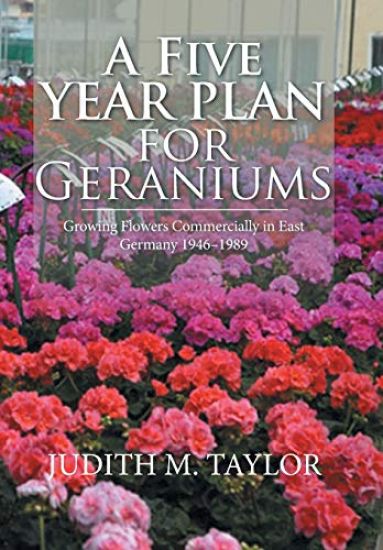
A Five Year Plan for Geraniums

A Five Year Plan for Geraniums

Judith M Taylor

Xlibris Us
2019
sidottu
The dubious experiment in political economy and social engineering known as socialism, which distorted the functioning of Russia and the Eastern European countries and did horrifying damage to their populations for much of the twentieth century, left its mark on many industries. One industry, which has not received as much attention as other larger ones, is horticulture, with its subsector of floriculture. In 1945, at the end of World War II, Germany was finally divided into two sectors-east and west. By a curious fluke of history, the largest part of German flower production had long been situated in three eastern states, including Erfurt in Thuringia. East Germany inherited this wonderful industry, run by prosperous companies with enlightened owners and a background of constantly developing new and more beautiful plants. In my two previous books about the work of heroic flower breeders, it turned out that a number of them had ended up behind the Iron Curtain. Their new communist masters abhorred successful private industry and started to dismantle these firms as soon as they could in the name of building a "socialist eden." The result was tragedy. The leaders of the industry were often arrested, even killed, lost both businesses and the property on which they stood and, if they were lucky enough to escape to West Germany, gave up all their rights. The government collectivized the firms, setting up lumbering organizations to replace them. Prices were set, regardless of basic economic factors. There were no incentives to do a good job. The Benary family had been leaders in breeding begonias. Wilhelm Elsner was the third generation in his family to head a company that specialized in pelargoniums ("geraniums" to the rest of us). He was locked out of his nursery in Dresden and not permitted to enter it again until after the Berlin Wall came down in 1989. See what happened to so many others.
A Five Year Plan for Geraniums

A Five Year Plan for Geraniums

Judith M Taylor

Xlibris Us
2019
pokkari
The dubious experiment in political economy and social engineering known as socialism, which distorted the functioning of Russia and the Eastern European countries and did horrifying damage to their populations for much of the twentieth century, left its mark on many industries. One industry, which has not received as much attention as other larger ones, is horticulture, with its subsector of floriculture. In 1945, at the end of World War II, Germany was finally divided into two sectors-east and west. By a curious fluke of history, the largest part of German flower production had long been situated in three eastern states, including Erfurt in Thuringia. East Germany inherited this wonderful industry, run by prosperous companies with enlightened owners and a background of constantly developing new and more beautiful plants. In my two previous books about the work of heroic flower breeders, it turned out that a number of them had ended up behind the Iron Curtain. Their new communist masters abhorred successful private industry and started to dismantle these firms as soon as they could in the name of building a "socialist eden." The result was tragedy. The leaders of the industry were often arrested, even killed, lost both businesses and the property on which they stood and, if they were lucky enough to escape to West Germany, gave up all their rights. The government collectivized the firms, setting up lumbering organizations to replace them. Prices were set, regardless of basic economic factors. There were no incentives to do a good job. The Benary family had been leaders in breeding begonias. Wilhelm Elsner was the third generation in his family to head a company that specialized in pelargoniums ("geraniums" to the rest of us). He was locked out of his nursery in Dresden and not permitted to enter it again until after the Berlin Wall came down in 1989. See what happened to so many others.
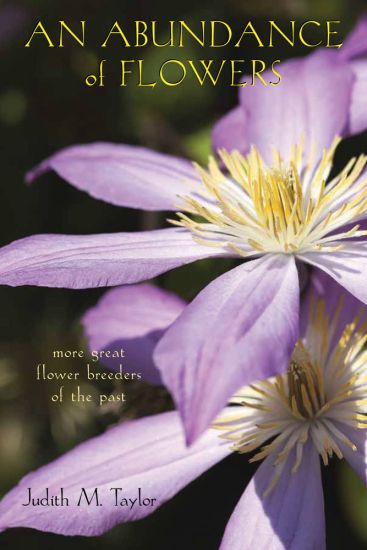
An Abundance of Flowers

An Abundance of Flowers

Judith M. Taylor

Swallow Press
2018
sidottu
Walk into any nursery, florist, or supermarket, and you'll encounter displays of dozens of gorgeous flowers, from chrysanthemums to orchids. At one time these fanciful blooms were the rare trophies of the rich and influential—even the carnation, today thought of as one of the humblest cut flowers. Every blossom we take for granted now is the product of painstaking and imaginative planning, breeding, horticultural ingenuity, and sometimes chance. The personalities of the breeders, from an Indiana farmer to Admiral Lord Gambier's gardener, were as various and compelling as the beauty they conjured from skilled hybridization. In Visions of Loveliness: Great Flower Breeders of the Past, Judith Taylor wrote engagingly about the vivid history and characters behind eighteen types of popular flowers. In this companion volume she uncovers information about another eight familiar flowers: poinsettias, chrysanthemums, gladioli, pansies, carnations, water lilies, clematis, and penstemons. Taylor has tapped into an enormous trove of stories about extraordinary people with vision and skill who added to our enjoyment piece by piece, starting about 150 years ago. This beautifully illustrated book will please flower enthusiasts, gardeners, and history buffs alike.
An Abundance of Flowers

An Abundance of Flowers

Judith M. Taylor

Swallow Press
2018
pokkari
Walk into any nursery, florist, or supermarket, and you'll encounter displays of dozens of gorgeous flowers, from chrysanthemums to orchids. At one time these fanciful blooms were the rare trophies of the rich and influential—even the carnation, today thought of as one of the humblest cut flowers. Every blossom we take for granted now is the product of painstaking and imaginative planning, breeding, horticultural ingenuity, and sometimes chance. The personalities of the breeders, from an Indiana farmer to Admiral Lord Gambier's gardener, were as various and compelling as the beauty they conjured from skilled hybridization. In Visions of Loveliness: Great Flower Breeders of the Past, Judith Taylor wrote engagingly about the vivid history and characters behind eighteen types of popular flowers. In this companion volume she uncovers information about another eight familiar flowers: poinsettias, chrysanthemums, gladioli, pansies, carnations, water lilies, clematis, and penstemons. Taylor has tapped into an enormous trove of stories about extraordinary people with vision and skill who added to our enjoyment piece by piece, starting about 150 years ago. This beautifully illustrated book will please flower enthusiasts, gardeners, and history buffs alike.
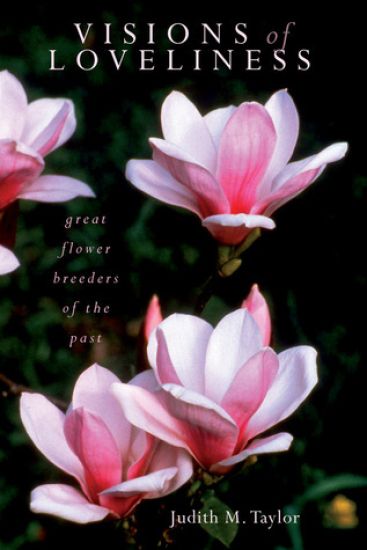
Visions of Loveliness

Visions of Loveliness

Judith M. Taylor

Swallow Press
2014
sidottu
Gardeners of today take for granted the many varieties of geraniums, narcissi, marigolds, roses, and other beloved flowers for their gardens. Few give any thought at all to how this incredible abundance came to be or to the people who spent a good part of their lives creating it. These breeders once had prosperous businesses and were important figures in their communities but are only memories now. They also could be cranky and quirky. In the eighteenth and nineteenth centuries, new and exotic species were arriving in Europe and the United States from all over the world, and these plants often captured the imaginations of the unlikeliest of men, from aristocratic collectors to gruff gardeners who hardly thought of themselves as artists. But whatever their backgrounds, they all shared a quality of mind that led them to ask “What if?” and to use their imagination and skills to answer that question themselves. The newest rose from China was small and light pink, but what if it were larger and came in more colors? Lilac was very nice in its way, but what if its blossoms were double and frilly? While there are many books about plant collectors and explorers, there are none about plant breeders. Drawing from libraries, archives, and the recollections of family members, horticultural historian Judith M. Taylor traces the lives of prominent cultivators in the context of the scientific discoveries and changing tastes of their times. Visions of Loveliness is international in scope, profiling plant breeders from many countries—for example, China and the former East Germany—whose work may be unknown to the Anglophone reader. In addition to chronicling the lives of breeders, the author also includes chapters on the history behind the plants by genus, from shrubs and flowering trees to herbaceous plants.
Visions of Loveliness

Visions of Loveliness

Judith M. Taylor

Swallow Press
2014
pokkari
Gardeners of today take for granted the many varieties of geraniums, narcissi, marigolds, roses, and other beloved flowers for their gardens. Few give any thought at all to how this incredible abundance came to be or to the people who spent a good part of their lives creating it. These breeders once had prosperous businesses and were important figures in their communities but are only memories now. They also could be cranky and quirky. In the eighteenth and nineteenth centuries, new and exotic species were arriving in Europe and the United States from all over the world, and these plants often captured the imaginations of the unlikeliest of men, from aristocratic collectors to gruff gardeners who hardly thought of themselves as artists. But whatever their backgrounds, they all shared a quality of mind that led them to ask "What if?" and to use their imagination and skills to answer that question themselves. The newest rose from China was small and light pink, but what if it were larger and came in more colors? Lilac was very nice in its way, but what if its blossoms were double and frilly? While there are many books about plant collectors and explorers, there are none about plant breeders. Drawing from libraries, archives, and the recollections of family members, horticultural historian Judith M. Taylor traces the lives of prominent cultivators in the context of the scientific discoveries and changing tastes of their times. Visions of Loveliness is international in scope, profiling plant breeders from many countries—for example, China and the former East Germany—whose work may be unknown to the Anglophone reader. In addition to chronicling the lives of breeders, the author also includes chapters on the history behind the plants by genus, from shrubs and flowering trees to herbaceous plants.