Kirjojen hintavertailu. Mukana 12 390 323 kirjaa ja 12 kauppaa.

Kirjailija

Judith R. Baskin

Kirjat ja teokset yhdessä paikassa: 4 kirjaa, julkaisuja vuosilta 1983-2026, suosituimpien joukossa Jews, Christians, Muslims. Vertaile teosten hintoja ja tarkista saatavuus suomalaisista kirjakaupoista.

4 kirjaa

Kirjojen julkaisuhaarukka 1983-2026.

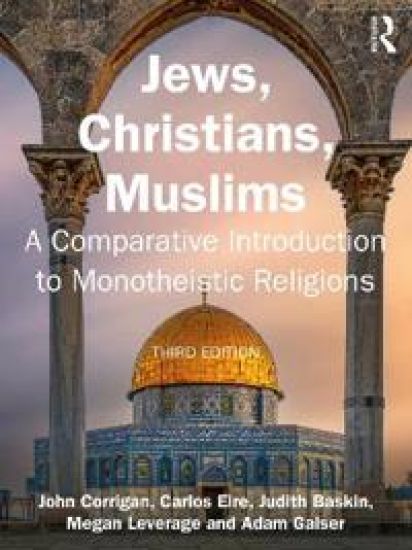
Jews, Christians, Muslims

Jews, Christians, Muslims

John Corrigan; Carlos M. N. Eire; Judith R. Baskin; Adam Gaiser; Megan Leverage

TAYLOR FRANCIS LTD
2026
sidottu
Jews, Christians, Muslims: A Comparative Introduction to Monotheistic Religions compares Judaism, Christianity, and Islam using seven common themes which are equally relevant to each tradition. Designed to provoke critical thinking, this text addresses the cultural frameworks of religious meanings and explores the similarities and differences among Judaism, Christianity, and Islam as it explains the ongoing process of interpretation in each religion. The following themes are covered in each religion: Scripture and Tradition Monotheism Authority Worship and Ritual Ethics Material Culture The Political Order Gender, Sex and Family This third edition is fully updated throughout with a new introduction exploring religious diversity, new discussions of gender, sex, and family integrated into previous sections, detailed analysis of religious ethics covering topics such as war, the environment, and capital punishment, discussion of global aspects of monotheism such as missionizing, imperialism, and postcolonialism, and new images and inset text boxes to help guide students and instructors. The book is an ideal resource for anyone wanting an accessible and comprehensive introduction to Western and World Religions.
Jews, Christians, Muslims

Jews, Christians, Muslims

John Corrigan; Carlos M. N. Eire; Judith R. Baskin; Adam Gaiser; Megan Leverage

TAYLOR FRANCIS LTD
2026
nidottu
Jews, Christians, Muslims: A Comparative Introduction to Monotheistic Religions compares Judaism, Christianity, and Islam using seven common themes which are equally relevant to each tradition. Designed to provoke critical thinking, this text addresses the cultural frameworks of religious meanings and explores the similarities and differences among Judaism, Christianity, and Islam as it explains the ongoing process of interpretation in each religion. The following themes are covered in each religion: Scripture and Tradition Monotheism Authority Worship and Ritual Ethics Material Culture The Political Order Gender, Sex and Family This third edition is fully updated throughout with a new introduction exploring religious diversity, new discussions of gender, sex, and family integrated into previous sections, detailed analysis of religious ethics covering topics such as war, the environment, and capital punishment, discussion of global aspects of monotheism such as missionizing, imperialism, and postcolonialism, and new images and inset text boxes to help guide students and instructors. The book is an ideal resource for anyone wanting an accessible and comprehensive introduction to Western and World Religions.
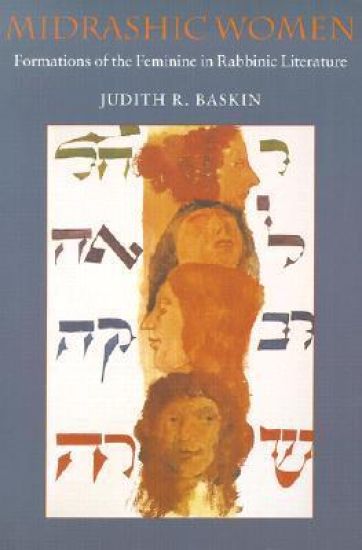
Midrashic Women

Midrashic Women

Judith R. Baskin

Brandeis University Press
2002
nidottu
While most gender-based analyses of rabbinic Judaism concentrate on the status of women in the halakhah (the rabbinic legal tradition), Judith R. Baskin turns her attention to the construction of women in the aggadic midrash, a collection of expansions of the biblical text, rabbinic ruminations, and homiletical discourses that constitutes the non-legal component of rabbinic literature. Examining rabbinic convictions of female alterity, competing narratives of creation, and justifications of female disadvantages, as well as aggadic understandings of the ideal wife, the dilemma of infertility, and women among women and as individuals, she shows that rabbinic Judaism, a tradition formed by men for a male community, deeply valued the essential contributions of wives and mothers while also consciously constructing women as other and lesser than men. Recent feminist scholarship has illuminated many aspects of the significance of gender in biblical and halakhic texts but there has been little previous study of how aggadic literature portrays females and the feminine. Such representations, Baskin argues, often offer a more nuanced and complex view of women and their actual lives than the rigorous proscriptions of legal discourse.