Kirjojen hintavertailu. Mukana 12 499 499 kirjaa ja 12 kauppaa.

Kirjailija

Judy Barrett

Kirjat ja teokset yhdessä paikassa: 19 kirjaa, julkaisuja vuosilta 2010-2025, suosituimpien joukossa Living Biblically: Women in the Bible. Vertaile teosten hintoja ja tarkista saatavuus suomalaisista kirjakaupoista.

19 kirjaa

Kirjojen julkaisuhaarukka 2010-2025.

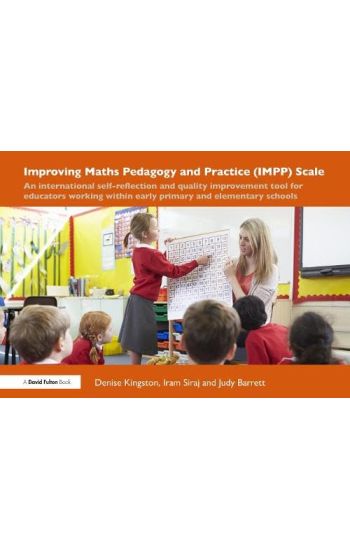
Improving Maths Pedagogy and Practice (IMPP) Scale

Improving Maths Pedagogy and Practice (IMPP) Scale

Denise Kingston; Iram Siraj; Judy Barrett

TAYLOR FRANCIS LTD
2025
nidottu
The Improving Maths Pedagogy and Practice scale (IMPP) is an innovative way of assessing and improving the quality and effectiveness of mathematics teaching in the first few years of primary or elementary schooling. It is informed by the evidence base of practice shown to improve children’s outcomes, and extensive professional development delivered by the authors.The IMPP supports both the ‘how’ and ‘what’ of teaching mathematics to young children, encourages positive dispositions towards maths, and addresses issues such as maths anxiety and disengagement. It focuses on teaching developmentally appropriate maths with understanding, using ‘maths talk’, child-friendly contexts, concrete, pictorial and abstract representations to their best effect.This unique measurement scale supports –the teaching of early mathematics in primary/elementary schools, using the evidence base of what works best to support fluency and masteryteachers’ content and pedagogical content knowledge of mathematics, including comprehensive sets of practical examplesquality improvement processes and self-assessment of the mathematics taught in classroomschildren learning mathematics with understanding, which also supports their engagement, enjoyment and achievementsresearchers, auditors and/or inspectors looking for a measure of mathematical quality and effectiveness in the classroomThe IMPP will help teachers and school leadership successfully develop their children’s mathematical understanding, reasoning and problem solving. Educators can use the scale for self-evaluation of their own practice, so they can build on what they already do well and improve where required. Leadership teams and mentors can use it to audit quality, support positive discussions and set effective development targets. The scale is particularly useful when supporting children living with disadvantage, and those with additional learning needs and maths anxiety.
Improving Maths Pedagogy and Practice (IMPP) Scale

Improving Maths Pedagogy and Practice (IMPP) Scale

Denise Kingston; Iram Siraj; Judy Barrett

TAYLOR FRANCIS LTD
2025
sidottu
The Improving Maths Pedagogy and Practice scale (IMPP) is an innovative way of assessing and improving the quality and effectiveness of mathematics teaching in the first few years of primary or elementary schooling. It is informed by the evidence base of practice shown to improve children’s outcomes, and extensive professional development delivered by the authors.The IMPP supports both the ‘how’ and ‘what’ of teaching mathematics to young children, encourages positive dispositions towards maths, and addresses issues such as maths anxiety and disengagement. It focuses on teaching developmentally appropriate maths with understanding, using ‘maths talk’, child-friendly contexts, concrete, pictorial and abstract representations to their best effect.This unique measurement scale supports –the teaching of early mathematics in primary/elementary schools, using the evidence base of what works best to support fluency and masteryteachers’ content and pedagogical content knowledge of mathematics, including comprehensive sets of practical examplesquality improvement processes and self-assessment of the mathematics taught in classroomschildren learning mathematics with understanding, which also supports their engagement, enjoyment and achievementsresearchers, auditors and/or inspectors looking for a measure of mathematical quality and effectiveness in the classroomThe IMPP will help teachers and school leadership successfully develop their children’s mathematical understanding, reasoning and problem solving. Educators can use the scale for self-evaluation of their own practice, so they can build on what they already do well and improve where required. Leadership teams and mentors can use it to audit quality, support positive discussions and set effective development targets. The scale is particularly useful when supporting children living with disadvantage, and those with additional learning needs and maths anxiety.
When Good Gardens Go Bad

When Good Gardens Go Bad

Judy Barrett

Texas A M University Press
2018
nidottu
Gardens do not take care of themselves. Poor soil, pests, disease, fungus, and inclement weather can ruin plants and a gardener’s zeal. In When Good Gardens Go Bad, veteran author and pioneer organic gardener Judy Barrett offers safe, practical, and inexpensive advice for handling common garden problems and challenges. Plants thrive and fail for many reasons, but if you improve the soil, choose the right plants, plant them at the right time, and encourage them along the way, you will have far fewer failures and be able to take the credit when they flourish.Dispelling the belief that gardens should be perfectly controlled environments, Barrett encourages gardeners to embrace the imperfections. If you are frustrated because nothing seems to grow in your backyard or you can’t keep pests or plant disease away, this book offers organic solutions while banishing stress. Barrett encourages readers to learn more about their soil through observation and talking with neighbors and local experts in order to make smarter choices for their yards. Insects are another common frustration for gardeners. Here, Barrett differentiates the beneficial insects from the problem pests, and she offers homemade and store-bought solutions for keeping harmful pests away. She also provides frustrated gardeners straightforward advice for tackling other common hurdles such as weeds and composting.Barrett’s gardening philosophy is that the best gardeners are those who enjoy the process and can live with some dead plants, failed visions, and annoying bugs. A garden doesn’t have to be perfect, but it should be fun!
Yes, You Can Grow Roses

Yes, You Can Grow Roses

Judy Barrett

Texas A M University Press
2013
nidottu
We hear roses are hard to grow. . . . We hear they require constant care and treatment. . . . Depending on where we live, we hear they can’t stand the heat . . . the cold . . . the humidity . . . the arid air. The list of reasons not to grow roses is long, yet we persevere.—from the first chapterMost gardeners have tried, with more or less success, to grow roses. For a plant that has been in cultivation all over the world for millennia, roses have an oddly persistent reputation for being finicky and disease-prone, difficult to establish, and in need of constant tending. And then you see a sprawling shrub, loaded with yellow blossoms, spilling carelessly over a church dumpster or a climbing mass of red roses clambering over a chain link fence. You wonder why growing a rose bush in your backyard should be so intimidating. Now, veteran gardener and author Judy Barrett tackles the persistent rumours and illusions that inhibit many of us from trying our hand at cultivating roses. She answers the most common questions (how to water, prune, train, and choose the best locations, among others) and then points readers in the direction of the many good choices to be had among both antique and old roses (the Bourbons and China roses, for example) and some newer varieties (hybrid teas, miniatures, and others). She also gives advice about cold-hardy roses and offers tips for ensuring success with heat- and drought-tolerant Earth-Kind roses. Illustrated with gorgeous photographs throughout, Yes, You Can Grow Roses will convince you that these beautiful plants are not nearly as fussy, frail, and pernickety as you thought. By following Barrett’s advice, you’ll enjoy season after season of durable, aromatic beauty in your garden.
Civics

Civics

Judy Barrett

Lulu.com
2013
pokkari
Civics is a unit study designed for the Christian home schooler. It is a guided research project covering everything from how our government was formed to how your local government works. Students are required to search the Bible for Biblical principles as they are exposed to current, and some not so current, controversies that will affect how they live and vote. More practical aspects of life in the United States are also covered such as insurance, investments and budgeting for college. Field trip suggestion are included, as are sources for supplemental activities that are not necessary, but would complement this study well.
How In the World Did We Get Into This Mess? A World History Unit Study for High School
How in the World Did We Get Into This Mess? A World History Unit Study for High School focuses on the more recent world history that impacts the world today. While culture, entertainment and other interesting facts are covered, the focus is on the events that have impacted the situations we face today. How in the World Did We Get Into This Mess? is a unit study, meaning it requires the student to look up and research the topics discussed. The unit study guides the student's study, but allows them to draw their own conclusions. Short answers, essays, book report suggestions, movie and entertainment options, and even food preparation allow the student to more fully understand each culture. So, if you have ever wondered why Canadian money still has picture of the Queen of England on it, why India and Pakistan are enemies, or how WWI actually began, this is the book for you and your student.
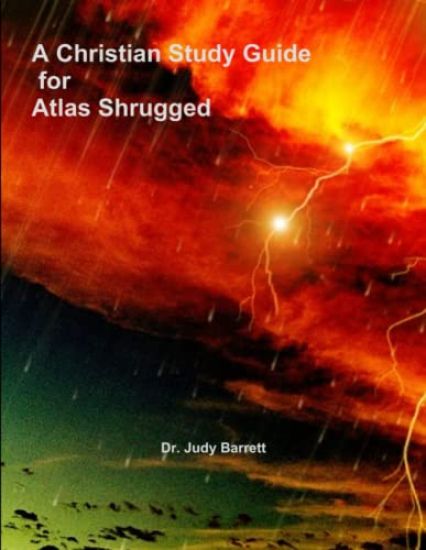
A Christian Study Guide for Atlas Shrugged
A Christian Study Guide for Atlas Shrugged is designed to help explore the concepts of Ayn Rand's signature novel. Thought-provoking questions, and answers allow the guide to be used by groups, as a home school study or by the individual. Although the guide is meant to be used as a help to understand the book, the answer key/discussion guide may be read independently by those who wish to gain a quick Christian perspective without reading all the material.
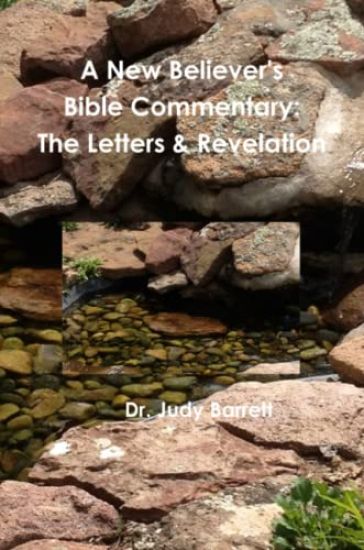
A New Believer's Bible Commentary
A New Believer's Bible Commentary: The Letters & Revelation is an easy to read commentary designed to explain Biblical concepts to those who did not grow up in the church. Historical context, real life examples and commentary regarding differing denominational views will help make the teachings found in scripture easier to understand and help you understand what you believe.
A New Believer's Bible Commentary
The New Believer's Bible commentary is an easy to read study guide designed for people who did not grow up in the church and the people who minister to them. It provides the background information needed to fully understand scripture, and emphasizes what this means in a person's life. In Genesis -Deuteronomy the sacrifices, feasts and laws are explained in a way that makes them easy to understand. Older Christians may enjoy this too, as it is a comfortable reminder of why you believe and a chance to revisit old friends. The book shows people in a very human light that one can relate to and identify with, helping us to understand how we should and should not behave, and what faith truly is.
Recipes From and For the Garden

Recipes From and For the Garden

Judy Barrett

Texas A M University Press
2012
nidottu
Veteran gardener Judy Barrett offers readers more than a hundred simple recipes for using, enjoying, and enhancing the bounty of their gardens. These easy recipes—some old family favorites, others created by Barrett, and still others from cooks and gardeners she admires—encourage home gardening for everyone.In her familiar and relaxed style, Barrett shows readers how to use the plentiful harvests of common vegetables (such as beans, squashes, cucumbers, and peppers), how to experiment with more exotic plants (like ginger and jujubes), and what to prepare for the freezer or pantry once the growing season has ended. From bean and tomato salsa to lemon meringue pie, the ingredients are straightforward and the instructions uncomplicated.Barrett also shares gardening tips and ideas for using what you have grown in the garden to help take care of your house, yourself, and—coming full circle—your garden itself. With suggestions for everything from making your own personal care products to a variety of ways to create natural pesticides, plant food, and compost, Barrett ends by showing how you can give back a little of what your garden gave to you. Recipes From and For the Garden will delight all who enjoy their plants, whether potted patio tomatoes or a backyard vegetable patch.
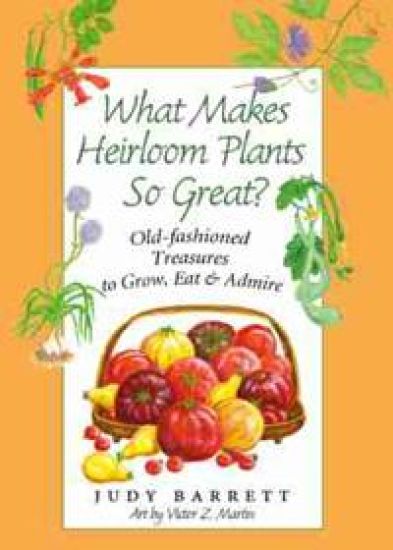
What Makes Heirloom Plants So Great?

What Makes Heirloom Plants So Great?

Judy Barrett

Texas A M University Press
2010
nidottu
“The wonderful diversity offered by heirloom plants can help you create a deeply satisfying garden that looks good, preserves historic plants, and provides you with color, shade, food, flowers, herbs, and an all-around happy place.” Garden writer Judy Barrett opens her second book with a conversation about the characteristics of heirloom plants and why their toughness, ease of propagation, and wide variety make them ideal to grow in any garden. Add their occasional oddities, complex flavors and scents, histories, and family stories, and these plants can become as valuable and treasured as a cut-glass bowl or handmade quilt. Having collected, grown, and propagated many heirloom plants, Barrett has favorites in every category--from food to flowers, trees, and herbs--and stories to tell about all of them: the headstrong pumpkin; the all-potato diet; the yam van; the porch petunia. Covering thirty-seven plants or groups of plants (such as annuals or perennials), Barrett provides practical information about growing them, eating them, enjoying them, and propagating them. Seeds are a particularly important topic in heirloom gardening, and Barrett teaches us why and how to save, store, and share all kinds of seeds, from vegetables, flowers, and trees. She also provides a primer on self- and cross-pollination. Nutritional information and well-tested recipes appear throughout, presented in Barrett’s signature informal style. The manuscript is written for anyone who has clipped an old rose or bit into an heirloom tomato and wanted to know more.