Kirjojen hintavertailu. Mukana 12 595 353 kirjaa ja 12 kauppaa.
Kirjailija
Judy Diamond
Kirjat ja teokset yhdessä paikassa: 15 kirjaa, julkaisuja vuosilta 1999-2025, suosituimpien joukossa World of Viruses. Vertaile teosten hintoja ja tarkista saatavuus suomalaisista kirjakaupoista.
About the Badlands Fossils This story tells about the fossils of ancient animals found in the Wind River and Bighorn basins of Wyoming. Wyoming's rich fossil record tell us about amazing animals from millions of years ago. About 66 million years ago, an asteroid slammed into the Earth, causing devastating changes that led to the extinction of dinosaurs. As the planet began to recover, it was much warmer than today, allowing palm trees and other tropical plants to grow in Wyoming. Many new species of mammals and birds emerged in this warm climate. Earth's temperatures peaked about 52 million years ago. Paleontologists call this time the "Early Eocene Climatic Optimum." Paleontologists study the deep-time geological record to understand how plants and animals respond to a changing climate. In this story, three children visit a paleontological site in Wyoming and get magically transported back in time, resulting in a 52-million-year-old safari adventure they will never forget
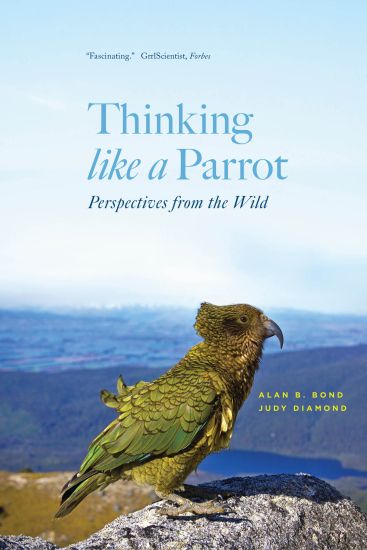
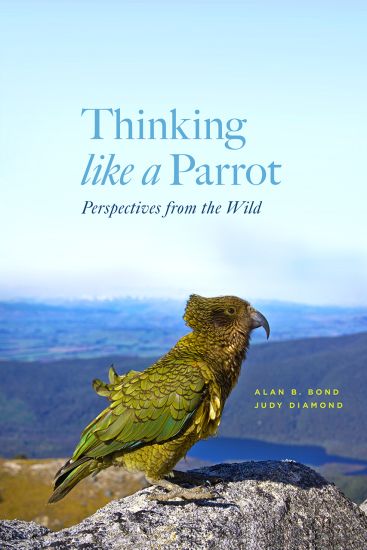
From two experts on wild parrot cognition, a close look at the intelligence, social behavior, and conservation of these widely threatened birds. People form enduring emotional bonds with other animal species, such as dogs, cats, and horses. For the most part, these are domesticated animals, with one notable exception: many people form close and supportive relationships with parrots, even though these amusing and curious birds remain thoroughly wild creatures. What enables this unique group of animals to form social bonds with people, and what does this mean for their survival? In Thinking like a Parrot, Alan B. Bond and Judy Diamond look beyond much of the standard work on captive parrots to the mischievous, inquisitive, and astonishingly vocal parrots of the wild. Focusing on the psychology and ecology of wild parrots, Bond and Diamond document their distinctive social behavior, sophisticated cognition, and extraordinary vocal abilities. Also included are short vignettes—field notes on the natural history and behavior of both rare and widely distributed species, from the neotropical crimson-fronted parakeet to New Zealand’s flightless, ground-dwelling kakapo. This composite approach makes clear that the behavior of captive parrots is grounded in the birds’ wild ecology and evolution, revealing that parrots’ ability to bond with people is an evolutionary accident, a by-product of the intense sociality and flexible behavior that characterize their lives. Despite their adaptability and intelligence, however, nearly all large parrot species are rare, threatened, or endangered. To successfully manage and restore these wild populations, Bond and Diamond argue, we must develop a fuller understanding of their biology and the complex set of ecological and behavioral traits that has led to their vulnerability. Spanning the global distribution of parrot species, Thinking like a Parrot is rich with surprising insights into parrot intelligence, flexibility, and—even in the face of threats—resilience.
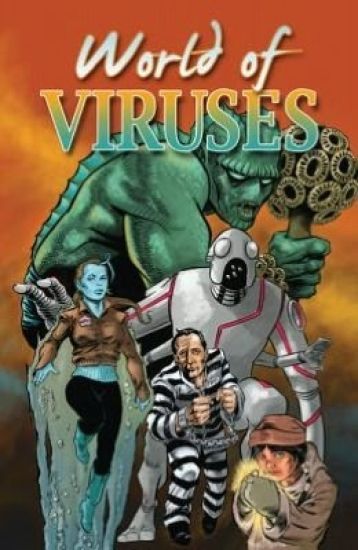
We live in a world of viruses, biological entities to be confronted not by superheroes in capes but by scientists and informed citizens during their everyday lives. From the bustle of the airport to the wide expanse of the ocean to the remote tundra of the Arctic, viruses infect many different fronts in fascinatingly unique ways.World of Viruses is a graphic novel that contains the thrilling true stories of well-known threats like foot and mouth disease, HIV, the flu, and HPV, as well as the lesser-known but helpful role that viruses play in saving global ecosystems from out-of-control blooms of algae. The talented artists and writers included in this spectacular graphic novel feature the heroics and adventures of viruses and scientists, as they challenge each other for survival on planet Earth.
About the Badlands Fossils This story tells about the fossils of ancient animals found in the Wind River and Bighorn basins of Wyoming. Wyoming's rich fossil record tell us about amazing animals from millions of years ago. About 66 million years ago, an asteroid slammed into the Earth, causing devastating changes that led to the extinction of dinosaurs. As the planet began to recover, it was much warmer than today, allowing palm trees and other tropical plants to grow in Wyoming. Many new species of mammals and birds emerged in this warm climate. Earth's temperatures peaked about 52 million years ago. Paleontologists call this time the "Early Eocene Climatic Optimum." Paleontologists study the deep-time geological record to understand how plants and animals respond to a changing climate. In this story, three children visit a paleontological site in Wyoming and get magically transported back in time, resulting in a 52-million-year-old safari adventure they will never forget
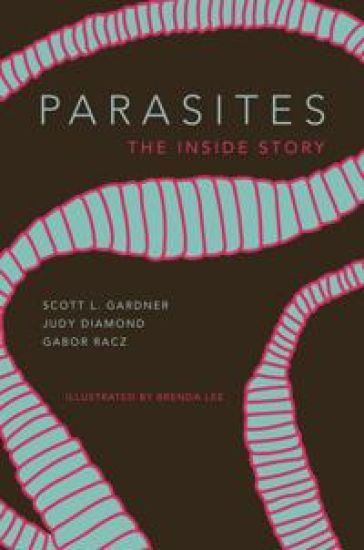
An exciting look at the essential roles that parasites play in Earth’s ecosystemsThis book looks at the weird and wonderful world of parasites, the most abundant form of life on Earth. Parasites come in all forms and sizes and inhabit every free-living organism. Parasitism is now, and always has been, a way to survive under changing environmental conditions. From arctic oceans to tropical forests, Scott Gardner, Judy Diamond, and Gabor Racz investigate how parasites survive and evolve, and how they influence and provide stability to ecosystems.Taking readers to the open ranges of Mongolia, the Sandhills of north-central Nebraska, the Andes of Bolivia, and more, the authors examine the impact parasites have on humans and other animals. Using examples of parasites from throughout the tree of life, the authors describe parasite-host relationships as diverse as those between trematodes and snails and tapeworms and whales. They even consider the strange effects of thorny-headed worms on their hosts. Parasites offer clues to the evolutionary history of particular regions, and they can provide insights into the history of species interactions. Through parasites, biologists can weave together a global knowledge of the past to predict the challenges that we will face in the future.Revealing that parasites are so much more than creepy-crawlies, this book gives up-to-date context for these critical members of the biological diversity of our planet.
Parasites are organisms that live inside or on another species, called the host. Parasites depend on their hosts for food and a place to live. They may harm the host in small or large ways. Parasitism is the most common mode of life on Earth. Humans, other animals, and all plants have parasites, usually two or more kinds. Even parasites can have parasites. There are millions of species of parasites, and scientists discover new ones every day. Parasite specimens are stored in museums all around the world. One of the world's largest collections is in the H. W. Manter Laboratory of Parasitology at the University of Nebraska State Museum.
C’RONA Pandemic Comics is a collection of short comics and essays developed to help youth understand the complexities of living through a viral pandemic. Each focuses on a different theme: the biology of the COVID-19 virus; the relationship of wild animals, particularly bats, to the pandemic; and the impact of the pandemic on tribal communities. Created by a group of artists, educators, tribe members, and scientists, this comic book provides an engaging way to learn about the COVID-19 pandemic from a cast of fictional characters-a parrot, a fox, a goat, a bat, a mouse, a coyote, and a ghost.
People form enduring emotional bonds with other animal species, such as dogs, cats, and horses. For the most part, these are domesticated animals, with one notable exception: Many people form close and supportive relationships with parrots, even though these amusing and curious birds remain thoroughly wild creatures. What enables this unique group of wild animals to form social bonds with people, and what does this mean for their survival? In Thinking Like a Parrot, Alan Bond and Judy Diamond look beyond much of the standard work on captive parrots to the mischievous, inquisitive, and astonishingly vocal parrots of the wild. Focusing on the psychology and ecology of wild parrots, Bond and Diamond document their distinctive social behavior, sophisticated cognition, and extraordinary vocal abilities. Also included are short vignettes--field notes of the natural history and behavior of both rare and widely distributed species, from the neotropical crimson-fronted parakeet to New Zealand's flightless, ground-dwelling kakapo. This composite approach makes clear that the behavior of captive parrots is grounded in the birds' wild ecology and evolution, revealing that parrots' ability to bond with people is an evolutionary accident, a byproduct of the intense sociality and flexible behavior that characterize their lives. Despite their adaptability and intelligence, however, nearly all large parrot species are rare, threatened, or endangered. To successfully manage and restore these wild populations, Bond and Diamond argue, we must develop a fuller understanding of their biology, of the complex set of ecological and behavioral traits that has led to their vulnerability. Spanning the global distribution of parrot species, Thinking Like a Parrot is rich with surprising insights into parrot intelligence, flexibility, and--even in the face of threats--resilience.
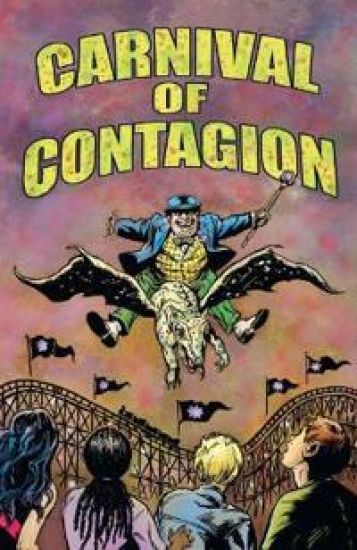
Measles is a highly contagious, serious disease caused by a virus. Spread by physical contact or through the air, it is a leading cause of death globally among young children. Carnival of Contagion, an entertaining graphic novel about the dangers of measles, traces the adventures of a group of young adults as they enter a viral fantasy world run by a mysterious and seductive carnival barker. Illustrated by Marvel and DC Comics artist Bob Hall and including an original essay written by the award-winning science journalist Carl Zimmer, Carnival of Contagion presents a unique and fascinating story about one of the world’s most deadly viruses.
Administrators of museums and other informal-learning centers often need to demonstrate, in some tangible way, the effectiveness of their institutions as teaching tools. Practical Evaluation Guide discusses specific methods for analyzing audience learning and behavior in museums, zoos, botanic gardens, nature centers, camps, and youth programs. Evaluation is essential because it allows you to answer critical questions like: ·How can one measure the impacts of educational experiences in a museum, zoo, or aquarium? ·Are digital technologies more effective than traditional exhibits for enhancing visitor interest and understanding? ·How does one measure learning in these informal environments where visitors themselves decide what they will experience? ·Since we know many visitors come to informal institutions for social interaction and play, how does one access these social impacts? The Practical Evaluation Guide is an all-in-one resource to guide professionals working in museums and other informal educational institutions. This new edition includes updates throughout and features a brand-new chapter on evaluating digital interactive exhibits. The section on observational tools includes a new section on using video recordings and the section on interviews includes recent studies from countries outside the U.S. Practical Evaluation Guide serves as a basic, easy-to-follow guide for museum professionals and students who want to understand the effects of such public institutions on the people who visit them.
Administrators of museums and other informal-learning centers often need to demonstrate, in some tangible way, the effectiveness of their institutions as teaching tools. Practical Evaluation Guide discusses specific methods for analyzing audience learning and behavior in museums, zoos, botanic gardens, nature centers, camps, and youth programs. Evaluation is essential because it allows you to answer critical questions like: ·How can one measure the impacts of educational experiences in a museum, zoo, or aquarium? ·Are digital technologies more effective than traditional exhibits for enhancing visitor interest and understanding? ·How does one measure learning in these informal environments where visitors themselves decide what they will experience? ·Since we know many visitors come to informal institutions for social interaction and play, how does one access these social impacts? The Practical Evaluation Guide is an all-in-one resource to guide professionals working in museums and other informal educational institutions. This new edition includes updates throughout and features a brand-new chapter on evaluating digital interactive exhibits. The section on observational tools includes a new section on using video recordings and the section on interviews includes recent studies from countries outside the U.S. Practical Evaluation Guide serves as a basic, easy-to-follow guide for museum professionals and students who want to understand the effects of such public institutions on the people who visit them.
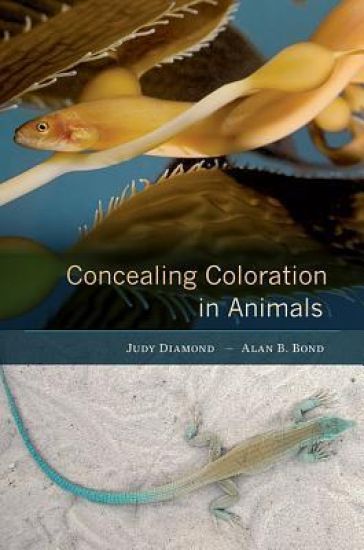
The biological functions of coloration in animals are sometimes surprising. Color can attract mates, intimidate enemies, and distract predators. But color patterns can also conceal animals from detection. Concealing coloration is unusual because it is an adaptation not only to the visual features of the environment but also to the perceptual and cognitive capabilities of other organisms. Judy Diamond and Alan Bond bring to light the many factors at work in the evolution of concealing coloration.Animals that resemble twigs, tree bark, stones, and seaweed may appear to be perfect imitations, but no concealment strategy is without flaws. Amid the clutter of the natural world, predators search for minute, telltale clues that will reveal the identity of their prey. Predators have remarkable abilities to learn to discriminate the fake from the real. But prey have their own range of defensive tactics, evolving multiple appearances or the ability to change color at will. Drawing on modern experimental evidence of the functional significance of animal color strategies, Diamond and Bond offer striking illustrations of how the evolution of features in one organism can be driven by the psychology of others.Concealing Coloration in Animals takes readers on a scientific adventure that explores creatures inside mats of floating seaweed, mice and lizards on desert rocks and sand, and rare parrots in the rainforest of New Zealand. Color photographs extensively document the mind-boggling array of deceptive strategies animals use to blend in, mislead, or vanish from view.
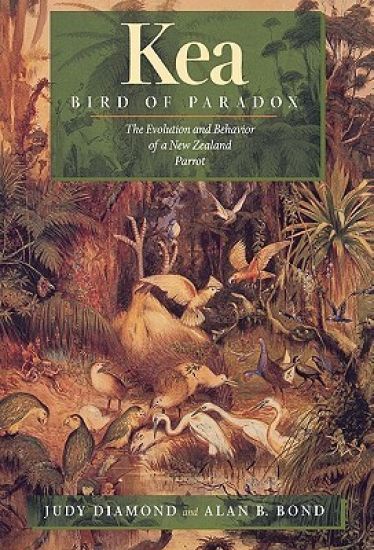
The kea, a crow-sized parrot that lives in the rugged mountains of New Zealand, is considered by some a playful comic and by others a vicious killer. Its true character is a mystery that biologists have debated for more than a century. Judy Diamond and Alan Bond have written a comprehensive account of the kea's contradictory nature, and their conclusions cast new light on the origins of behavioral flexibility and the problem of species survival in human environments everywhere. New Zealand's geological remoteness has made the country home to a bizarre assemblage of plants and animals that are wholly unlike anything found elsewhere. Keas are native only to the South Island, breeding high in the rigorous, unforgiving environment of the Southern Alps. Bold, curious, and ingeniously destructive, keas have a complex social system that includes extensive play behavior. Like coyotes, crows, and humans, keas are 'open-program' animals with an unusual ability to learn and to create new solutions to whatever problems they encounter. Diamond and Bond present the kea's story from historical and contemporary perspectives and include observations from their years of field work. A comparison of the kea's behavior and ecology with that of its closest relative, the kaka of New Zealand's lowland rain forests, yields insights into the origins of the kea's extraordinary adaptability. The authors conclude that the kea's high level of sociality is a key factor in the flexible lifestyle that probably evolved in response to the alpine habitat's unreliable food resources and has allowed the bird to survive the extermination of much of its original ecosystem. But adaptability has its limits, as the authors make clear when describing present-day interactions between keas and humans and the attempts to achieve a peaceful coexistence.