Kirjojen hintavertailu. Mukana 12 172 687 kirjaa ja 12 kauppaa.
Kirjailija
Juhani Pallasmaa
Kirjat ja teokset yhdessä paikassa: 30 kirjaa, julkaisuja vuosilta 2007-2025, suosituimpien joukossa Ihon silmät. Vertaile teosten hintoja ja tarkista saatavuus suomalaisista kirjakaupoista.
Arkkitehti Juhani Pallasmaan poleeminen essee Eyes of the Skin: Architecture and the Senses on julkaisemisestaan lähtien ollut arkkitehtuurin teorian kurssien pakollisten tekstien listalla eri puolilla maailmaa ja se on käännetty viidelletoista kielelle. Ihon silmät ilmestyy nyt ensi kertaa suomeksi Kirsi Heininen-Blomstedtin käännöksenä.Pallasmaa kartoittaa aistien välistä vuorovaikutusta ja kuvaa vaikutelmiaan aistimellisuudesta niin arkkitehtuuri-ilmaisun kuin arkkitehtuurin kokemuksen kannalta. Essee puolustaa aistimellista arkkitehtuuria vastakohtana vallitsevalle visuaaliselle arkkitehtuurille."Tarkoitukseni ei ole ilmaista konservatiivista kantaa nykytaiteen tilasta. Haluan ainoastaan sanoa, että aistimellisessa maailmakokemuksessamme on tapahtunut muutos. Jos pyrimme siihen, että arkkitehtuurilla on emansipoiva ja parantava rooli, meidän on pohdittava niitä moninaisia vaivihkaisia tapoja, joilla arkkitehtuuri on sidoksissa aikansa kulttuuriseen ja mentaaliseen todellisuuteen." - Juhani Pallasmaa
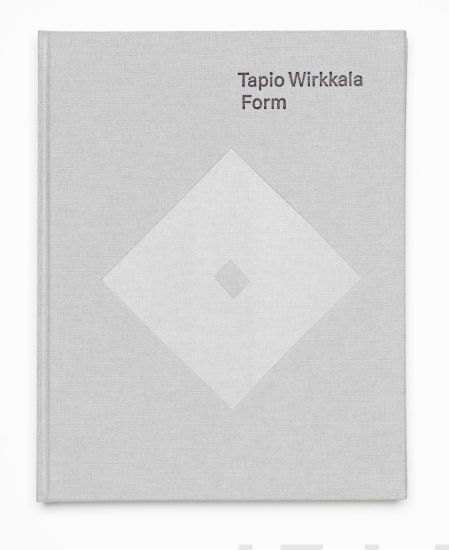
Tapio Wirkkala (1915-1985) oli poikkeuksellisen laaja-alainen suomalainen taiteilija ja muotoilija. Hänen tuotantonsa ulottui graafisesta suunnittelusta esine- ja tuotemuotoiluun, näyttely- ja rakennussuunnitteluun sekä veistoksiin ja ympäristötaiteeseen. Wirkkala kunnioitti käyttämiänsä materiaaleja ja hallitsi materiaalien ominaisuudet ja työstötavat. Taiteilijamuotoilija haki inspiraatiota luonnosta ja matkoiltaan Lapin erämaassa Pohjois-Suomessa ja ympäri maailmaa.Runsaasti kuvitetussa englanninkielisessä kirjassa Tapio Wirkkalan tuotantoa tarkastelevat tuoreista näkökulmista artikkeleissaan Juhani Pallasmaa, Reiko Imamura, Hanna Johansson ja Emma Lilja. Arkkitehti Juhani Pallasmaa kirjoittaa muodon merkityksestä koko Wirkkalan tuotantoa läpileikkaavana lähtökohtana. Reiko Imamura muistelee vierailuaan Suomeen ja tutustumistaan Wirkkalan tuotantoon ja näyttelyihin yhdessä Wirkkalan läheisten kanssa. EMMAn amanuenssi Emma Lilja tutkii Wirkkalan presidentti Urho Kaleva Kekkosen muistomerkkisuunnitelmaa Saivaara-tunturille, saamelaisten pyhään paikkaan. Taidehistorioitsija Hanna Johansson puolestaan näkee Saivaara-suunnitelman varhaisena esimerkkinä ympäristötaiteesta Suomessa. Kirja julkaistiin Tapio Wirkkala - Muoto -näyttelyn yhteydessä EMMA - Espoon modernin taiteen museossa 5.10.2022 - 6.10.2024. Näyttelyn kuratoi arkkitehti Juhani Pallasmaa, Wirkkalan läheinen ystävä. EMMA - Espoon modernin taiteen museon julkaisuja 71/2023Kovakantinen176 sivuaKieli: englantiToimittaja: Inka LaineToimitustyhmä: Ari Karttunen, Emma Lilja, Juhani Pallasmaa, Henna Paunu, Tiina Penttilä, Tinni Torikka, Pernilla WiikKirjoittajat: Reiko Imamura, Hanna Johansson, Emma Lilja, Juhani Pallasmaa, Henna Paunu Käännökset: Tomi Snellman, Darryl Jingwen Wee, Erik MillerGraafinen suunnittelu: Pomeliina RistimellaValokuvat: Ari Karttunen / EMMA, Pirjo Honkasalo, TWRB Foundation, Sami Wirkkala, Ella Tommila / EMMAPaino: PunaMusta Oy, TampereISBN 978-952-5509-71-7ISSN 1796-735X
The Franco-Swiss photographer Hélène Binet (b. 1959) is renowned for making images that express an intimate experience of architecture. Using a combination of analogue and digital techniques, her photographs are both a representation and a discovery of her subjects, all of them buildings that break the mould, pushing daringly at the boundaries of their time. In this selection of some ninety of her photographs – ranging from the baroque London churches of Nicholas Hawksmoor and the Jantar Mantar Observatory in Jaipur through to buildings of contemporary architects Le Corbusier, Peter Zumthor, John Hejduk, Daniel Libeskind and Zaha Hadid – her work is revealed in all its subtlety and quiet sensitivity.
Runoilija, kirjailija, esseisti ja kriitikko Pekka Suhonen oli vapaan kirjailijantyönsä rinnalla yksi 1900-luvun jälkipuoliskon tärkeimmistä ja tuotteliaimmista arkkitehtuuri-, ympäristö-, design- ja kuvataidealojen kirjoittajistamme. Hänen kirjoituksilleen on tunnusomaista laaja-alaisuus, joka tähän kokoelmaan sisältyvien materiaalisten taiteiden lisäksi kattaa yleisen kulttuurihistorian, kirjallisuuden ja musiikin alueet. Lisäksi hän kirjoitti novelleja sekä radio-, elokuva- ja televisiokäsikirjoituksia. Laajasti lukeneen ja monipuolisen kirjailijan kirjoituksissa tulee esiin yllättävienkin yhteyksien ja assosiaatioiden verkosto; niissä on taitava rakenne sekä vivahteikas kirjallinen ilmaisu. Hänen monet kirjoituksensa ovatkin epäilyksettä suomalaista esseistiikkaa parhaimmillaan. ”Hänen varsinainen alansa on essee, kirjallisuuden muoto, joka yhdistää tiedollisen aineksen ja taiteellisen intuition. Esseistille ominaiseen tapaan Suhonen hioi havaintonsa terää, viljeli assosiaatioherkkyyttään ja suosi mielen uhkayrityksiä”, Pekka Tarkka kirjoittaa. Monet Suhosen arkkitehtuurikirjoitukset ovat näkemyksiltään uraauurtavia. Hän kirjoitti mm. ympäristöestetiikasta aikana, jolloin tämä tutkimusala oli vasta nousemassa tietoisuuteen. Hän näki rakentamisen historialliset ja yhteiskunnalliset yhteydet aikana, jolloin arkkitehtuuri alkoi suuntautua ammattikeskeistä teknokratiaa kohti. Hänen arkkitehtuurikirjoitustensa aiheina ovat eräät keskeiset arkkitehtimme, yleiskatsaukselliset tai johonkin tiettyyn historiallisen ajankohtaan, kuten funktionalismiin, liittyvät kirjoitukset sekä yleisempi ympäristö- ja arkkitehtuurikritiikki. Pekka Suhosen kirjoituksissa rakennustaiteen kulttuurinen ja inhimillinen tausta on aina läsnä. Hän kiinnittää arkkitehtuurin ja muotoilun moninaisiin yhteyksiinsä ja tekee siten näiden suunnittelualojen taiteellisetkin tavoitteet ymmärrettäviksi.
"Vaikka arkkitehtuuria pidetään ensikädessä visuaalisena taiteenalana, kohtaamme tilat, paikat, rakennukset ja maiseman aina moniaistisesti. (...) kohtaamme sen samanaikaisesti kaikilla aisteillamme ja elämme sen osana eksistentiaalista maailmaamme, emme itsemme ulkopuolella olevana objektina tai kuvana." Ote esseestä Aistien maisemaKOHTAAMISIA koostuu Juhani Pallasmaan arkkitehtuuriesseistä, joista useimmat ovat alkuaan eri puolilla maailmaa pidettyjä luentoja. Kirjoitukset muodostavat temaattisen läpileikkauksen hänen uudemmista teksteistään. Pääosa niistä julkaistaan nyt ensimmäistä kertaa suomeksi.Pallasmaa on eri taiteenalojen sekä taiteen ja tieteen välisen vuorovaikutuksen puolestapuhuja. Taiteen eksistentiaalinen sisältö, arkkitehtuurikokemuksen kehollisuus ja moniaistisuus, sekä atmosfäärin käsitteen ja ekologisesti kestävän arkkitehtuurin kriteerien kriittinen tarkastelu ovat kirjan keskeisiä teemoja.
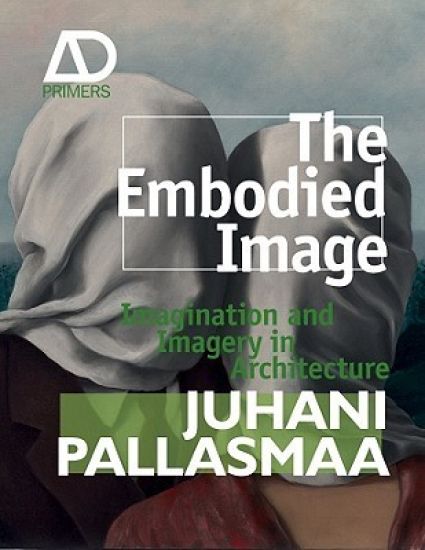
The Embodied Image The Embodied Image: Imagination and Imagery in Architecture Juhani Pallasmaa All artistic and architectural effects are evoked, mediated and experienced through poeticised images. These images are embodied and lived experiences that take place in ‘the flesh of the world’, becoming part of us, at the same time that we unconsciously project aspects of ourselves on to a conceived space, object or event. Artistic images have a life and reality of their own and they develop through unexpected associations rather than rational and causal logic. Images are usually thought of as retinal pictures but profound poetic images are multi-sensory and they address us in an embodied and emotive manner. Architecture is usually analysed and taught as a discipline that articulates space and geometry, but the mental impact of architecture arises significantly from its image quality that integrates the various aspects and dimensions of experience into a singular, internalised and remembered entity. The material reality is fused with our mental and imaginative realm. The book is organised into five main parts that look at in turn: the image in contemporary culture; language, thought and the image; the many faces of the image; the poetic image; and finally the architectural image. The Embodied Image is illustrated with over sixty images in pairs, which are diverse in subject. They range from scientific images to historic artistic and architectural masterpieces. Artworks span Michelangelo and Vermeer to Gordon Matta- Clark and architecture takes in Modern Masters such as Mies van der Rohe, Le Corbusier and Alvar Aalto, as well as significant contemporary works by Steven Holl and Daniel Libeskind.
The Embodied Image The Embodied Image: Imagination and Imagery in Architecture Juhani Pallasmaa All artistic and architectural effects are evoked, mediated and experienced through poeticised images. These images are embodied and lived experiences that take place in ‘the flesh of the world’, becoming part of us, at the same time that we unconsciously project aspects of ourselves on to a conceived space, object or event. Artistic images have a life and reality of their own and they develop through unexpected associations rather than rational and causal logic. Images are usually thought of as retinal pictures but profound poetic images are multi-sensory and they address us in an embodied and emotive manner. Architecture is usually analysed and taught as a discipline that articulates space and geometry, but the mental impact of architecture arises significantly from its image quality that integrates the various aspects and dimensions of experience into a singular, internalised and remembered entity. The material reality is fused with our mental and imaginative realm. The book is organised into five main parts that look at in turn: the image in contemporary culture; language, thought and the image; the many faces of the image; the poetic image; and finally the architectural image. The Embodied Image is illustrated with over sixty images in pairs, which are diverse in subject. They range from scientific images to historic artistic and architectural masterpieces. Artworks span Michelangelo and Vermeer to Gordon Matta- Clark and architecture takes in Modern Masters such as Mies van der Rohe, Le Corbusier and Alvar Aalto, as well as significant contemporary works by Steven Holl and Daniel Libeskind.
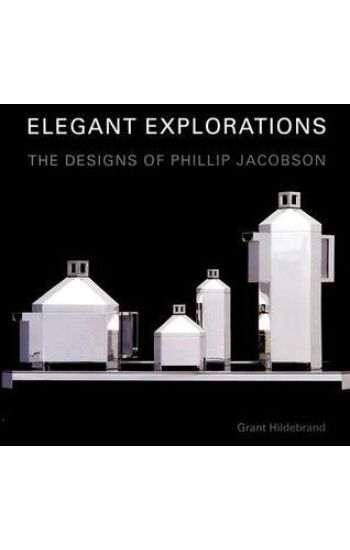
Throughout his career as an architect and educator, Phillip Jacobson has also continually engaged in another realm of design: furniture, lighting fixtures, jewelry, and home accessories. He has designed in this applied arena for commercial production and for friends and family. This “other” realm of design, evidenced by Jacobson’s use of timeless structural and formal concepts, has been an exciting exploration for the artist and is the subject of this book.Phillip Jacobson has practiced architecture in Seattle for forty years. He was a partner in and for twenty years design director of TRA, a large multidisciplinary firm renowned for deft and effective design of large architectural and urban projects, both domestic and international. He is professor emeritus at the University of Washington, where he taught for nearly four decades in the Departments of Architecture and Urban Design and Planning. He has held visiting appointments at the Tokyo Institute of Technology, the Royal Academy of Fine Arts in Copenhagen, the Royal Institute of Technology in Stockholm, and the University of Sydney in Australia. He is a Fellow of the American Institute of Architects and a recipient of the AIA Seattle Chapter medal for distinguished lifetime achievement.
Ramón Esteve Estudio is a multidisciplinary architecture and design studio known for creating spaces that seamlessly blend light, materiality, and structure into harmonious environments. Deeply rooted in the Mediterranean spirit yet open to global influences, the studio approaches each project as a dialogue between the site and the client. For Esteve, architecture is a balance of technical mastery and artistic sensitivity—where function and beauty come together to create meaningful, lasting spaces. Inspired by vernacular traditions and guided by contemporary principles, the studio’s work transforms houses into true homes: emotional, sensory, and timeless. This book, featuring 11 signature private residences in the Mediterranean, reflects Ramón Esteve’s philosophy on creating a home—a fusion of manifesto and laboratory, where place, light, scale, and materiality converge to craft a unique experience. The Mediterranean remains a strong cultural and emotional anchor, though his approach extends beyond borders. Each project begins with a conversation between the client and the context, with the ultimate goal of creating a genuine home. For Esteve, architecture is both a craft and a discipline—grounded in sensitivity and technical expertise. Every design is tailor-made, transcending mere function to become a stage for life. For Esteve, the ideal home is one that feels instinctively familiar from the very first moment—an emotional, cultural, and existential refuge.
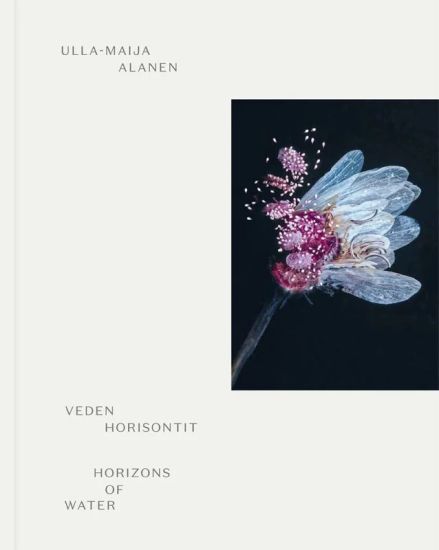
Arkkitehti ja valokuvataiteilija Ulla-Maija Alanen tarkastelee vedenalaista maailmaa hengittämällä samatahtisesti veden ja sen kasvien kanssa. Hän on kuvannut suomalaisissa metsäjärvissä jo toistakymmentä vuotta. Lummekasvien kasvu, kukoistaminen ja lakastuminen näyttäytyvät vahvoina näkyinä ja hiljaisina heijastuksina. Valokuvateoksista kirjoittavat Alasen lisäksi dosentti Susanna Pettersson ja arkkitehti, professori Juhani Pallasmaa.Architect and photographic artist Ulla-Maija Alanen explores the underwater world, breathing in harmony with the water and the plants it sustains. For over a decade, she has been photographing in Finnish forest lakes, where the growth, bloom and eventual decay of water lilies unfold as powerful visions and quiet reflections. Alanen is joined by associate professor Susanna Pettersson and architect and professor Juhani Pallasmaa to discuss her photographic works.
rootedness Discover the insights and lessons of architect Juhani Pallasmaa In Rootedness: Reflections for Young Architects, Juhani Pallasmaa delivers an insightful and expansive collection of his most compelling ideas into architecture’s position among arts and culture. Pallasmaa speaks to architecture students and young professionals, discussing each topic with sincerity and openness, suggesting what can be learned from areas of culture beyond the boundaries of familiar professional disciplines. He outlines the growing need for an architecture based in self-awareness, reconnection to the environment, and a sense of ethical responsibility. Each essay in Rootedness was initially conceived and presented as an educational lecture and has been carefully edited with clarifications, refinements, and valuable expansions. Accompanying sketches by the author emphasize the personal and intimate nature of the essays. The book also includes: Explorations of perception, creative practice, and the need for an ethical stance Thoughts, meditations, and challenges emerging from the author’s search for identity and purpose in his architectural work A wealth of references within the essays, as well as recommendations for books and films from which readers may draw further inspiration Designed for students of architecture at any age, Rootedness: Reflections for Young Architects will also inspire professional architects, designers, and those in other creative professions.
THE EYES OF THE SKIN Explore the relationship between architecture and the sensory experience with the fourth edition of this groundbreaking work First published in 1996, The Eyes of the Skin is a classic of architectural theory. It asks the far-reaching question why, when there are five senses, is one single sense—sight—so predominant in architectural culture and design? With the ascendancy of the digital and the all-pervasive use of the image electronically, the subject is all the more pressing and topical since the first edition’s publication. Juhani Pallasmaa argues that the suppression of the other four sensory realms has led to the overall impoverishment of our built environment, often diminishing the emphasis on the spatial experience of a building and architecture’s ability to inspire, engage and be wholly life enhancing. For a student reading this text for the first time, The Eyes of the Skin is a revelation. It provides a fresh, compelling insight into architectural culture which continues to inspire more than a quarter-century after its initial publication. The fourth edition of The Eyes of the Skin also features: The author’s latest views on the emphasis of place, unfocused perception and existential experience Updates and clarifications throughout, to reinforce how our sense of self in the world remains our most important sense with the greatest architectural impact An updated Foreword that touches on the current understanding of the seminal importance of the existential sense The Eyes of the Skin is a must-read for all architecture students, who will find its insights transformative.
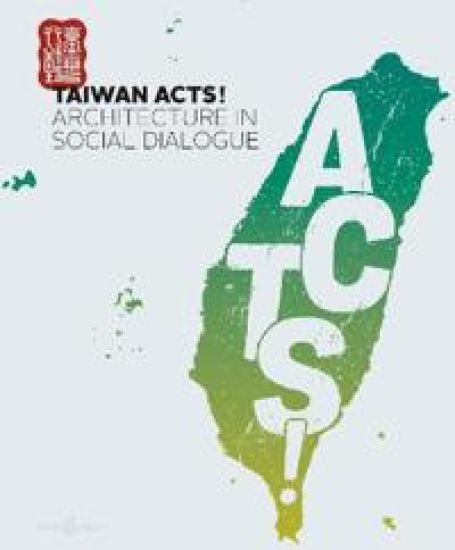
This book is about the contemporary architecture culture in Taiwan. Rather than the dominant trends of building culture in Taiwan, or sensational projects of international 'star architects' in its territory, this book focusses on socially engaged architectural projects of more humble origins. Following the devastating earthquake of September 1999, a number of architectural initiatives in Taiwan have developed a focus on the social role of building in their own country. These include measures to improve the urban structures, but also cultural buildings, infrastructure and housing in many places on the island, as well as varied community development projects. No publications about this topic exist yet, which makes this book truly unique. Due to the political situation of Taiwan, only little information about these kinds of social activities have tended to leave the country. Currently, in the wake of a rapidly changing political and socioeconomic climate in the country, the ongoing development of innovative public works and complex mixed-use projects have gained traction. Democratic processes and actions for people and communities have become characteristic of modern Taiwan. This book, therefore, talks about the committed culture of building and planning that has emerged from an open social dialogue. The relevance of these topic is world-wide. This publication is the starting point of a necessary dialogue between Taiwan and the World that promises to be mutually enriching.
A collection of the writing of the highly influential architect, Juhani Pallasmaa, presented in short, easily accessible, and condensed ideas ideal for students Juhani Pallasmaa is one of Finland’s most distinguished architects and architectural thinkers, publishing around 60 books and several hundred essays and shorter pieces over his career. His influential works have inspired undergraduate and postgraduate students of architecture and related disciplines for decades. In this compilation of excerpts of his writing, readers can discover his key concepts and thoughts in one easily accessible, comprehensive volume. Inseminations: Seeds for Architectural Thought is a delightful collection of thoughtful ideas and compositions that float between academic essay and philosophical reflection. Wide in scope, it offers entries covering: atmospheres; biophilic beauty; embodied understanding; imperfection; light and shadow; newness and nowness; nostalgia; phenomenology of architecture; sensory thought; silence; time and eternity; uncertainty, and much more. Makes the wider work of Pallasmaa accessible to students across the globe, introducing them to his key concepts and thoughtsExposes students to a broad range of issues on which Pallasmaa has a viewFeatures an alphabetized structure that makes serendipitous discovery or linking of concepts more likelyPresents material in short, condensed manner that can be easily digested by students Inseminations: Seeds for Architectural Thought will appeal to undergraduate students in architecture, design, urban studies, and related disciplines worldwide.
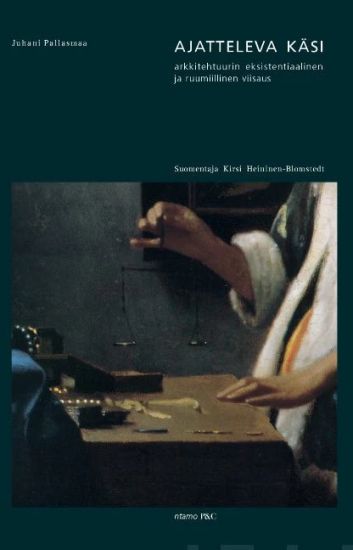
Ajatteleva käsi jatkaa ntamon ja Pro&Contran yhteistössä julkaisemien Juhani Pallasmaan arkkitehtuuriesseiden sarjaa. Aiemmin ovat ilmestyneet kokoelma Kohtaamisia (2014) sekä arkkitehtuurikritiikin klassikoksi muodostunut Ihon silmät (Eyes of the Skin, 2016).Ajattelevan käden esseet yhdistävät käden evoluutio- ja kulttuurihistoriaa ja käsillä tekemisen fenomenologista tutkimusta. Pallasmaa hyödyntää argumentaatiossaan oman alueensa ohella niin kuva- ja sanataiteita, filosofiaa ja neurologiaa kuin havaintoja eri kulttuurien käsimerkeistä ja jalkapallon pelaamisestakin. Käden tutkimus laajenee kehollisuuden merkityksen tutkimukseen inhimillisessä olemassaolossa ja luovassa työssä.Vallitsevat kasvatusfilosofiat korostavat edelleen käsitteellistä tietoa hiljaisen, ei-käsitteellisen viisauden ja kehollisten prosessien sijaan. Pallasmaa horjuttaa tämän vahingollisen paradigman perustuksia arkkitehtuurissa ja sen opettamisessa. Ajatteleva käsi on hitaan harjoittelun, ammattitaidoille omistautumisen ja käsin tekemisen ylistys.
Architect Are Vesterlid's worked at Sørum farm over two decades. This ancient farm that dates back to the Viking era has changed continuously across the centuries, adapting to the varying needs and means of its owners. Vesterlid saw himself as yet another builder, in a long chain of builders, when working in close collaboration with its current owner, the sculptor Knut Wold. This volume presents a complete set of Vesterlid's working drawings and a large number of his imaginative drawings. .Are Vesterlid's inspired architectural collage reminds us that many of the most eloquent pieces of contemporary architecture are in fact conversions," Juhani Pallasmaa observes: .All meaningful works of art and architecture possess an amazing capacity to evoke other eras and other works." The recent architectural interventions at Sørum farm eloquently show that .True artistic works are not self-centered monologues, as they willingly enter into a conversation with other works, both old and new. As a consequence of this dialogue across time, the great works of the past enable us to see the art of our own time with re-sensitized eyes, whereas the master works of our age make us see and understand historical works of architecture and art in a new light. This dialogue across the abyss of time reveals the true quality of art; artistic culture is not a 'thing', as it is a dynamic dialectical process and a tradition." Additionally, Ragnar Pedersen presents the history of the farm, its many buildings, and their continuous changes through more than a millennium. Essay by Juhani Pallasmaa and Ragnar Pedersen
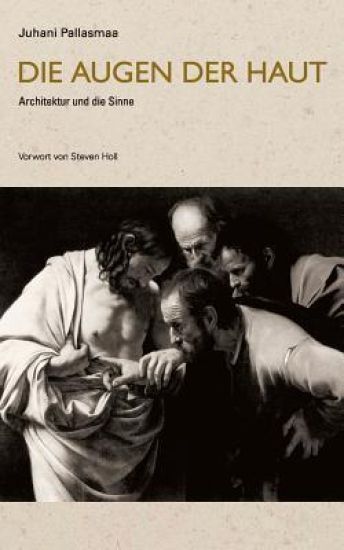
Architektur kann inspirierend und einnehmend sein, sie kann sogar im Sinne Goethes das Leben steigern«. Wie kommt es aber, dass architektonische Entw rfe am Zeichentisch oder am Computer-Bildschirm zwar meist recht gut aussehen, in der gebauten Realit t jedoch oft entt uschen?Die Antwort hierf r, behauptet Juhani Pallasmaa, findet sich in der Vorherrschaft des Visuellen, die alle Bereiche von Technologie- und Konsumkultur umfasst und so auch in die Architekturpraxis und -lehre Einzug gehalten hat. W hrend unsere Erfahrung der Welt auf der Kombination aller f nf Sinne beruht, ber cksichtigt die Mehrheit der heute realisierten Architektur gerade mal einen - den Sehsinn. Die Unterdr ckung der anderen Erfahrungsbereiche hat unsere Umwelt sinnlich verarmen lassen und ruft Gef hle von Distanz und Entfremdung hervor.Erstmalig 1996 (in englischer Sprache) ver ffentlicht, ist Die Augen der Haut inzwischen zu einem Klassiker der Architekturtheorie geworden, der weltweit zur Pflichtlekt re an den Architekturhochschulen geh rt. Das Buch besteht aus zwei Essays. Der erste gibt einen berblick ber die Entwicklung des okularzentrischen Paradigmas in der westlichen Kultur seit der griechischen Antike sowie ber dessen Einfluss auf unsere Welterfahrung und die Eigenschaften der Architektur. Der zweite Essay untersucht, welche Rolle die brigen Sinne bei authentischen Architekturerfahrungen spielen, und weist einen Weg in Richtung einer multisensorischen Architektur, welche ein Gef hl von Zugeh rigkeit und Integration erm glicht.Seit der Erstver ffentlichung des Buchs hat die Rolle des K rpers und der Sinne ein gesteigertes Interesse in der Architekturphilosophie und Architekturlehre erfahren. Die neue, berarbeitete und erg nzte Ausgabe dieses wegweisenden Werks wird nicht nur Architekten und Studenten dazu anregen, eine ganzheitlichere Architektur zu entwerfen, sondern auch die Wahrnehmung des interessierten Laien bereichern. Seit Architektur - Erlebnis (1959) des d nischen Architekten Steen Eiler Rasmussen hat es keinen derart pr gnanten und klar verst ndlichen d104 mehr gegeben, der Studenten und Architekten in diesen kritischen Zeiten dabei helfen kann, eine Architektur des 21. Jahrhunderts zu entwickeln.« - Steven HollJuhani Pallasmaa ist einer der angesehensten finnischen Architekten und Architekturtheoretiker. In allen Bereichen seiner theoretischen und gestalterischen T tigkeit - welche Architektur, Grafik Design, St dteplanung und Ausstellungen umfasst - betont er stets die zentrale Rolle von Identit t, Sinneserfahrung und Taktilit t.
The essays included in this book examine the various themes of architecture. Through explorations of anthropology, psychology, sociology, philosophy, technology, and nature, the essays, lectures, and articles provide a comprehensive and detailed study of architecture as it relates to contemporary culture.