Kirjojen hintavertailu. Mukana 12 390 323 kirjaa ja 12 kauppaa.

Kirjailija

Julia Erhart

Kirjat ja teokset yhdessä paikassa: 4 kirjaa, julkaisuja vuosilta 2020-2024, suosituimpien joukossa Gillian Armstrong. Vertaile teosten hintoja ja tarkista saatavuus suomalaisista kirjakaupoista.

4 kirjaa

Kirjojen julkaisuhaarukka 2020-2024.

Gillian Armstrong

Gillian Armstrong

Julia Erhart

Edinburgh University Press
2020
sidottu
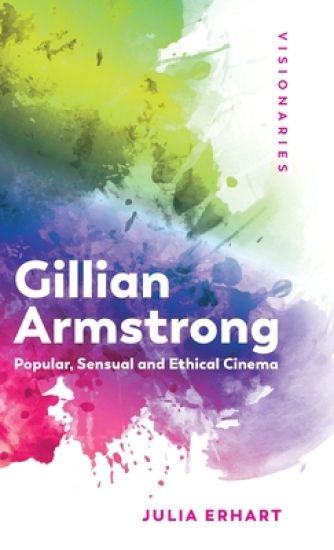
A commercially successful Australian director of over eighteen feature films and documentaries, including My Brilliant Career (1979), Gillian Armstrong is an early, notable example of a woman director connecting with mass audiences. Armstrong’s films are unique in their aesthetic expression and in the ethical relationships that they depict, framed through the language of gender inclusivity and due in part to her foregrounding of original, complex and nuanced female characters. This important book fills a gap in the literature on women screen practitioners and is a long overdue response to demands for new insight into the work of this significant director.
Gillian Armstrong

Gillian Armstrong

Julia Erhart

Edinburgh University Press
2020
nidottu
Explores how Armstrong's films re-work conventions about literary adaptation, biography and realist storytellingExamines Armstrong's work in light of new media scholarship and philosophies, including feminist cinematic ethicsSituates Armstrong's achievements in the context of Australian film policies and historyProvides an examination of never-before-studied elements, including Armstrong's short filmsIncludes anever-before-utilised oral history project with ArmstrongA commercially successful Australian director of over eighteen feature films and documentaries, including My Brilliant Career (1979), Gillian Armstrong is an early, notable example of a woman director connecting with mass audiences. Armstrong's films are unique in their aesthetic expression and in the ethical relationships that they depict, framed through the language of gender inclusivity and due in part to her foregrounding of original, complex and nuanced female characters. This important book fills a gap in the literature on women screen practitioners and is a long overdue response to demands for new insight into the work of this significant director.
The Children’s Hour

The Children’s Hour

Julia Erhart

MCGILL-QUEEN'S UNIVERSITY PRESS
2024
sidottu
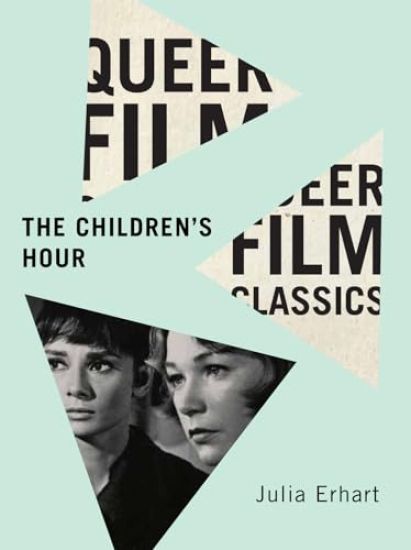
Based on a play by Lillian Hellman, The Children’s Hour (1961) was the first mainstream commercial American film to feature a lesbian character in a leading role. It centres on a teacher at a girls’ school (Shirley MacLaine) who is accused of harbouring feelings for her co-worker (Audrey Hepburn) and depicts the intense moral panic that ensues. Produced in the social climate of the Lavender Scare, the film reveals deep insights into the politics of sexuality and censorship in midcentury America, only a few years before more visible struggles for queer liberation.The director, William Wyler, lobbied hard to get the film made after an earlier straight-washed version in 1936. The tense road to production included debates about whether to eliminate mentions of lesbianism from the script and how implicitly queer subject matter might conflict with the Production Code, by then weakened but still in force. Julia Erhart’s reading of the film’s conception, production, and reception advances a nuanced case of censorship as a productive force. While contests between Hellman and Wyler suppressed scenes of overt affection between main characters Karen and Martha, reception was comparatively fixated on the characters’ lesbianism: it threatened middlebrow movie critics in the mainstream press and resonated with queer audiences. Erhart’s attentive interpretation of both the script and the sonic landscape yields a detailed analysis of the soundtrack as an original pro-lesbian element.As issues of queer censorship continue to permeate life and culture more than fifty years later, Erhart demonstrates that The Children’s Hour is as salient to social and political tensions around gender and sexuality today as it was in the 1960s.
The Children’s Hour

The Children’s Hour

Julia Erhart

MCGILL-QUEEN'S UNIVERSITY PRESS
2024
nidottu
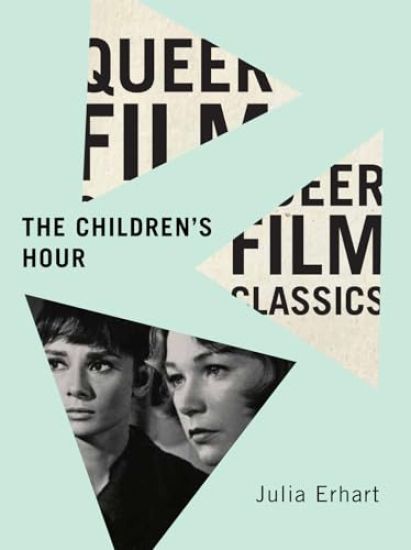
Based on a play by Lillian Hellman, The Children’s Hour (1961) was the first mainstream commercial American film to feature a lesbian character in a leading role. It centres on a teacher at a girls’ school (Shirley MacLaine) who is accused of harbouring feelings for her co-worker (Audrey Hepburn) and depicts the intense moral panic that ensues. Produced in the social climate of the Lavender Scare, the film reveals deep insights into the politics of sexuality and censorship in midcentury America, only a few years before more visible struggles for queer liberation.The director, William Wyler, lobbied hard to get the film made after an earlier straight-washed version in 1936. The tense road to production included debates about whether to eliminate mentions of lesbianism from the script and how implicitly queer subject matter might conflict with the Production Code, by then weakened but still in force. Julia Erhart’s reading of the film’s conception, production, and reception advances a nuanced case of censorship as a productive force. While contests between Hellman and Wyler suppressed scenes of overt affection between main characters Karen and Martha, reception was comparatively fixated on the characters’ lesbianism: it threatened middlebrow movie critics in the mainstream press and resonated with queer audiences. Erhart’s attentive interpretation of both the script and the sonic landscape yields a detailed analysis of the soundtrack as an original pro-lesbian element.As issues of queer censorship continue to permeate life and culture more than fifty years later, Erhart demonstrates that The Children’s Hour is as salient to social and political tensions around gender and sexuality today as it was in the 1960s.