Kirjojen hintavertailu. Mukana 12 595 353 kirjaa ja 12 kauppaa.

Kirjailija

Julian D. Ford

Kirjat ja teokset yhdessä paikassa: 6 kirjaa, julkaisuja vuosilta 2008-2021, suosituimpien joukossa The Encyclopedia of Psychological Trauma. Vertaile teosten hintoja ja tarkista saatavuus suomalaisista kirjakaupoista.

Mukana myös kirjoitusasut: Julian D Ford

6 kirjaa

Kirjojen julkaisuhaarukka 2008-2021.

The Encyclopedia of Psychological Trauma

The Encyclopedia of Psychological Trauma

Gilbert Reyes; Jon D. Elhai; Julian D. Ford

John Wiley Sons Inc
2008
sidottu
The Encyclopedia of Psychological Trauma is the only authoritative reference on the scientific evidence, clinical practice guidelines, and social issues addressed within the field of trauma and posttraumatic stress disorder. Edited by the leading experts in the field, you will turn to this definitive reference work again and again for complete coverage of psychological trauma, PTSD, evidence-based and standard treatments, as well as controversial topics including EMDR, virtual reality therapy, and much more.
Crises in the Psychotherapy Session

Crises in the Psychotherapy Session

Julian D. Ford

American Psychological Association
2021
pokkari
What do you do when your client flies into a rage or has a severe panic attack during a therapy session? Author Julian D. Ford explains how to harness such crises for breakthroughs. Crises that erupt in the midst of a psychotherapy session can be overwhelming not just for the client but also for the therapist. Yet every crisis also can be a therapeutic breakthrough. With this book, therapists learn how to transform such critical moments in psychotherapy into powerful and positive turning points. Drawing from trauma and attachment theory and the essential principles of psychotherapy and crisis management, Ford explains how crises can be understood as episodes of extreme emotional dysregulation. With a series of in-depth case examples, Ford shows how therapists can utilize emotion regulation as a practical framework to deescalate crises. Each case study is a transcript of a psychotherapy session, complete with dialogue and commentary, featuring real-life expert clinicians who use a crisis as an opportunity to help clients face and resolve a sense of being damaged, betrayed, or abandoned. With wisdom, compassion, and a deep understanding of human emotions, this book teaches essential skills that all therapists will need.
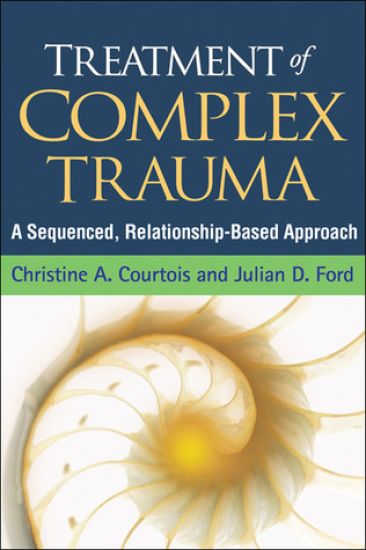
Treatment of Complex Trauma

Treatment of Complex Trauma

Christine A. Courtois; Julian D. Ford

Guilford Press
2015
nidottu
This insightful guide provides a pragmatic roadmap for treating adult survivors of complex psychological trauma. Christine Courtois and Julian Ford present their effective, research-based approach for helping clients move through three clearly defined phases of posttraumatic recovery. Two detailed case examples run throughout the book, illustrating how to plan and implement strengths-based interventions that use a secure therapeutic alliance as a catalyst for change. Essential topics include managing crises, treating severe affect dysregulation and dissociation, and therapist self-care. The companion website offers downloadable reflection questions for clinicians and extensive listings of professional and self-help resources. A new preface in the paperback and e-book editions addresses key scientific advances. See also Drs. Courtois and Ford's edited volumes, Treating Complex Traumatic Stress Disorders in Adults, Second Edition, and Treating Complex Traumatic Stress Disorders in Children and Adolescents, which present research on the nature of complex trauma and review evidence-based treatment models. Winner (Second Place)--American Journal of Nursing Book of the Year Award, Psychiatric and Mental Health Nursing Category
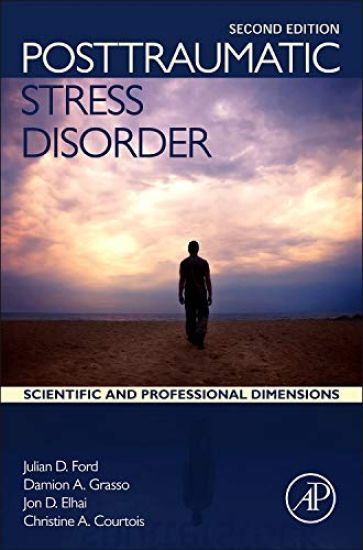
Posttraumatic Stress Disorder

Posttraumatic Stress Disorder

Julian D Ford; Damion J. Grasso; Jon D. Elhai; Christine A. Courtois

Academic Press Inc
2015
sidottu
This comprehensive overview of research and clinical practice in PTSD includes new insights into assessment with regard to DSM-5 and ICD-11, discussion of ongoing controversies in the field as to what constitutes safe and effective care, and new research as to assessment, diagnosis, treatment, and prevention of PTSD. The second edition includes new coverage of the neurobiology of PTSD, PTSD in special populations, and forensic issues relating to PTSD.
Treatment of Complex Trauma

Treatment of Complex Trauma

Christine A. Courtois; Julian D. Ford

Guilford Press
2012
sidottu
This insightful guide provides a pragmatic roadmap for treating adult survivors of complex psychological trauma. Christine Courtois and Julian Ford present their effective, research-based approach for helping clients move through three clearly defined phases of posttraumatic recovery. Two detailed case examples run throughout the book, illustrating how to plan and implement strengths-based interventions that use a secure therapeutic alliance as a catalyst for change. Essential topics include managing crises, treating severe affect dysregulation and dissociation, and therapist self-care. The companion website offers downloadable reflection questions for clinicians and extensive listings of professional and self-help resources. A new preface in the paperback and e-book editions addresses key scientific advances. See also Drs. Courtois and Ford's edited volumes, Treating Complex Traumatic Stress Disorders in Adults, Second Edition, and Treating Complex Traumatic Stress Disorders in Children and Adolescents, which present research on the nature of complex trauma and review evidence-based treatment models. Winner (Second Place)--American Journal of Nursing Book of the Year Award, Psychiatric and Mental Health Nursing Category
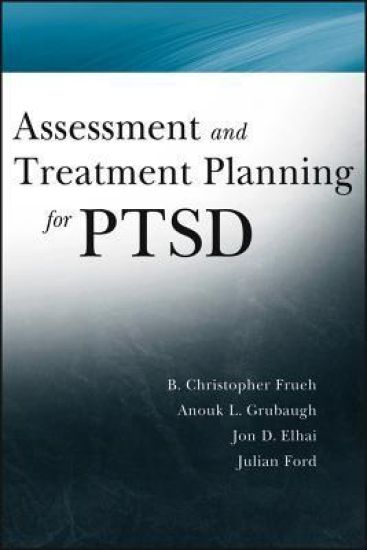
Assessment and Treatment Planning for PTSD

Assessment and Treatment Planning for PTSD

Christopher Frueh; Anouk Grubaugh; Jon D. Elhai; Julian D. Ford

John Wiley Sons Inc
2012
nidottu
Evidence-based approaches to diagnosing and treating PTSD in an array of specific populations and settings This timely, practical guide for busy professionals: Covers strategies for those working in specialized practice settings, such as primary care facilities, prisons, and hospitals for the severely mentally illOffers guidelines for conducting forensic evaluationsProvides information on malingering assessmentExplores new frontiers in PTSD assessment, including neuroimaging and genetic testingOffers practical guidance on the assessment of most recognized comorbid conditionsDiscusses the roles of ethnicity, race, and culture in assessing and treating PTSDOffers assessment strategies for specific populations, including veterans, children, and the severely impaired