Kirjojen hintavertailu. Mukana 12 595 353 kirjaa ja 12 kauppaa.

Kirjailija

Julian Elliott

Kirjat ja teokset yhdessä paikassa: 5 kirjaa, julkaisuja vuosilta 2005-2021, suosituimpien joukossa Children in Difficulty. Vertaile teosten hintoja ja tarkista saatavuus suomalaisista kirjakaupoista.

5 kirjaa

Kirjojen julkaisuhaarukka 2005-2021.

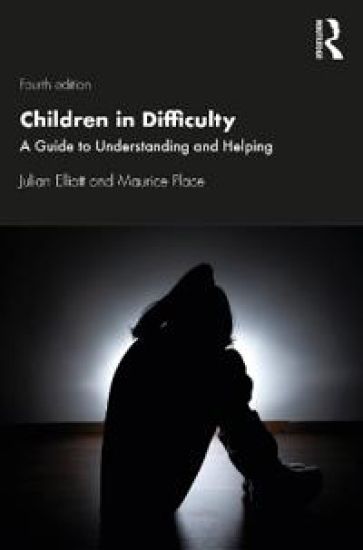
Children in Difficulty

Children in Difficulty

Julian Elliott; Maurice Place

Routledge
2021
sidottu
This fully updated fourth edition of Children in Difficulty explores some of the most common, yet incapacitating, difficulties often encountered by young children and adolescents. Drawing on the latest research and with case studies throughout, chapters cover topics such as challenging behaviour and school refusal, eating disorders, anxiety and depression, substance misuse, neurodevelopmental disorders, dyslexia and dyspraxia. The book provides a deeper understanding of each difficulty, considering the complexities of each problem at depth and analysing the best forms of intervention. It includes insights from the fields of genetics and neuroscience, and ensures that claims for the effectiveness of specific interventions are supported by rigorous scientific evidence.Features of this new edition include: Up-to-date insights from the fields of psychology, genetics and neuroscience Recognition of the increasing impact of social media and the internet on children and young people.Written by experts in the field, this book distils high level scientific and clinical knowledge in a way that is accessible to professionals from a range of child-care disciplines. It will be of significant value to those working in education, health or social care, and anyone who needs to be able to recognise and help children in difficulty.
Children in Difficulty

Children in Difficulty

Julian Elliott; Maurice Place

Routledge
2021
nidottu
This fully updated fourth edition of Children in Difficulty explores some of the most common, yet incapacitating, difficulties often encountered by young children and adolescents. Drawing on the latest research and with case studies throughout, chapters cover topics such as challenging behaviour and school refusal, eating disorders, anxiety and depression, substance misuse, neurodevelopmental disorders, dyslexia and dyspraxia. The book provides a deeper understanding of each difficulty, considering the complexities of each problem at depth and analysing the best forms of intervention. It includes insights from the fields of genetics and neuroscience, and ensures that claims for the effectiveness of specific interventions are supported by rigorous scientific evidence.Features of this new edition include: Up-to-date insights from the fields of psychology, genetics and neuroscience Recognition of the increasing impact of social media and the internet on children and young people.Written by experts in the field, this book distils high level scientific and clinical knowledge in a way that is accessible to professionals from a range of child-care disciplines. It will be of significant value to those working in education, health or social care, and anyone who needs to be able to recognise and help children in difficulty.
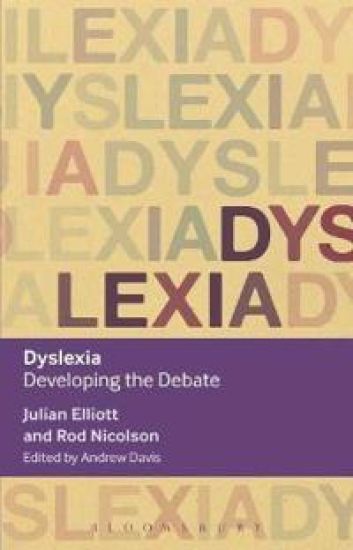
Dyslexia

Dyslexia

Julian Elliott; Rod Nicolson

Bloomsbury Academic
2016
nidottu
Dyslexia is often presented as a clearly delineated condition that can be diagnosed on the basis of appropriate cognitive tests with corresponding forms on intervention. However, this approachable text explores the issues behind this assertion in bringing together leading figures in the field to debate dyslexia.Julian Elliott shows that understandings and usage of the dyslexia label vary substantially with little consensus or agreement and in putting forward his critique draws upon research in several disciplinary fields to demonstrate the irrationality of these arguments. Roderick I. Nicolson demonstrates that current approaches to understanding, identification and support of dyslexia are catastrophically flawed in terms of their failure to consider the developmental nature of dyslexia. He develops two themes: first that the underlying cause of dyslexia is ‘delayed neural commitment’ for skills and neural circuits, and second that the cause of the reading disability is the introduction of formal instruction before the dyslexic child’s neural circuits for executive function are sufficiently developed. He argues that a more effective and cost-effective approach to identification and support involves ‘assessment for dyslexia’ rather than ‘of dyslexia’. Elliott and Nicolson respond to the points each other raise before Andrew Davis investigates how far the key claims of Elliott and Nicolson can withstand close conceptual investigation, and explores the inherent limitations of scientific research on this topic, given the value and conceptual issues concerned.
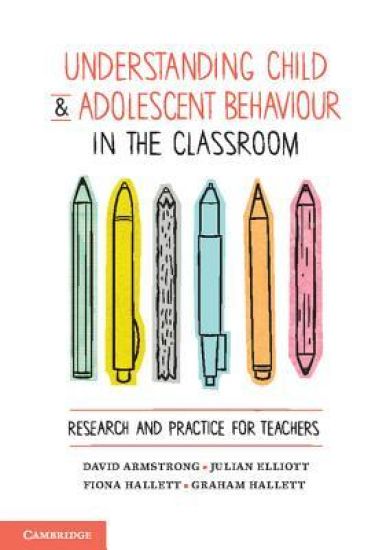
Understanding Child and Adolescent Behaviour in the Classroom

Understanding Child and Adolescent Behaviour in the Classroom

David Armstrong; Julian Elliott; Fiona Hallett; Graham Hallett

Cambridge University Press
2015
pokkari
Understanding Child and Adolescent Behaviour in the Classroom is a vital guide for pre-service and in-service teachers, providing the tools to respond effectively and ethically to child and adolescent behaviour that is of concern. In this innovative book, expert authors offer 'positive rules' that will assist educators in their classroom practice. Key practical issues that are addressed include: • Building a purposeful and emotionally and psychologically positive classroom culture • Recognising and responding to children who present with social, emotional and behavioural difficulties (SEBD/EBD) • Using research to inform and enrich classroom practice around student conduct • Working collegially to respond to the social, emotional and/or behavioural needs of individual students, including those needs associated with poor mental health and/or child protection Cutting-edge research from psychology, behavioural science and education is accessibly presented to help develop professional expertise and knowledge in the area of child and adolescent behaviour.
Frameworks for Thinking

Frameworks for Thinking

David Moseley; Vivienne Baumfield; Julian Elliott; Steven Higgins; Jen Miller; Douglas P. Newton; Maggie Gregson

Cambridge University Press
2005
sidottu
This handbook focuses on the thinking processes necessary for learning. It provides descriptions and evaluations of 42 major frameworks including Bloom's taxonomy, de Bono's lateral and parallel thinking tools, Gardner's theory of multiple intelligences and Paul's model of critical thinking. Unique in its comprehensive coverage and interdisciplinary approach, it offers easy-to-grasp summary tables for each major theorist for speedy reference. The discussion of cognitive, emotional and social aspects of thinking and the nature of classification help the reader locate theories within a broader field of knowledge. Key concepts such as critical thinking, self-regulation and metacognition are examined from a range of perspectives. The handbook offers practical advice in the form of choices and recommendations for the use of frameworks in teaching, learning and assessment. A valuable tool for students needing to understand different ways of thinking it will also be an essential resource for teachers, curriculum developers, researchers and policy-makers.