Kirjojen hintavertailu. Mukana 12 390 323 kirjaa ja 12 kauppaa.

Kirjailija

Julian Hunt

Kirjat ja teokset yhdessä paikassa: 15 kirjaa, julkaisuja vuosilta 1993-2023, suosituimpien joukossa A History of Halesowen. Vertaile teosten hintoja ja tarkista saatavuus suomalaisista kirjakaupoista.

15 kirjaa

Kirjojen julkaisuhaarukka 1993-2023.

A History of Halesowen

A History of Halesowen

Julian Hunt

THE HISTORY PRESS LTD
2023
nidottu
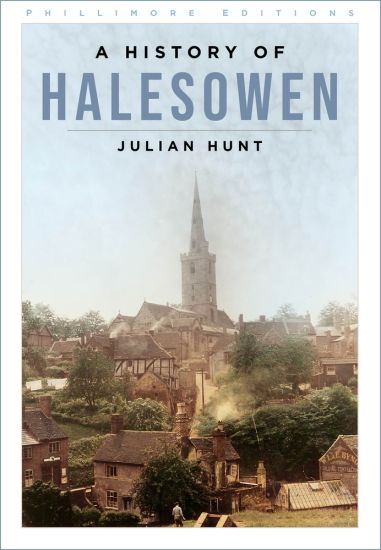
Halesowen is an old place, planned and laid out by the monks of the Premonstratensian Abbey of Hales. Much has been written about its medieval past and William Shenstone's landscape gardens at the Leasowes, but this history of the town is the first to explore fully the growth of its industry, involving all levels of society in the manufacture of iron and its use in a host of products. In addition to an account of the churches and schools that catered for the needs of the growing town, he also traces the history of each shop and public house on the main streets, splendidly illustrated with elevations of the buildings specially prepared by the popular local artist, Bill Hazlehurst. These drawing should be of special interest to younger readers and more recent inhabitants in revealing the happy confusion of building styles that gave great character to the town before its redevelopment in the 1960s. A significant contribution to the published history of both Worcestershire and the Black Country, this is a very readable and well-illustrated book.
Gerrards Cross

Gerrards Cross

Julian Hunt; David Thorpe

THE HISTORY PRESS LTD
2023
nidottu
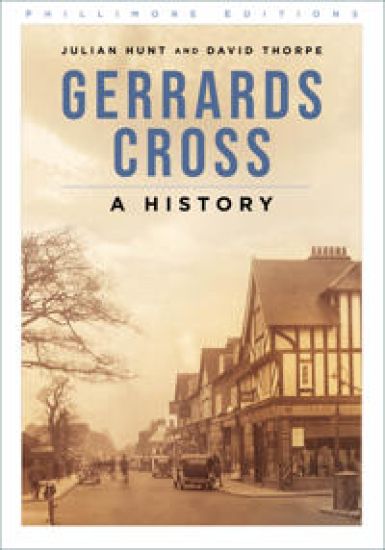
Gerrards Cross, known for its open common and picturesque Latchmore Pond, had been a place of resort ever since the 1790s. Genteel houses sprang up, attracting enough wealthy visitors that it began to be known as the ‘Brighton of Bucks.’ The opening of the Great Western and Great Central Joint Railway in 1906, with a station at Gerrards Cross, gave hundreds of Londoners the opportunity to live in ‘Beechy Bucks.’Gerrards Cross: A History celebrates the energy and imagination of the pioneer architects, builders and estate agents who ensured that Gerrards Cross became a high-class residential area, both socially and architecturally. It also applauds the entrepreneurs who opened their new shops and services when the commuter houses were still on the drawing board, and the brave newcomers who brought their families to live in the country, but depended utterly on their reliable train service to London.
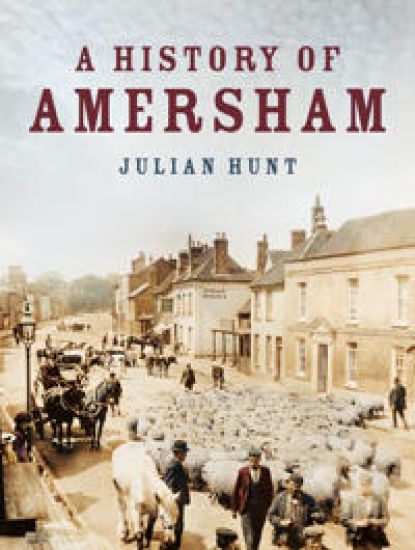
A History of Amersham

A History of Amersham

Julian Hunt

The History Press Ltd
2019
nidottu
In this entertaining book the author identifies each of the old coaching inns which provide ample evidence of Amersham's importance as a stopping place on the great coach road from London to the Midlands. He traces the history of all the town's tanneries and proves that Weller's brewery is much older than previously believed and that its many maltings were selling vast quantities of malt to London brewers in the 17th century. He does not neglect the townspeople themselves, not least the Drakes of Shardeloes who dominated the political, religious and social life of Amersham for 350 years. Here he is able to draw on the unique knowledge of Barney Tyrwhitt Drake, a direct descendant. Julian Hunt's well-researched narrative is both comprehensive and easy to read. Splendidly illustrated, it is a significant contribution to the published history of Buckinghamshire and will be warmly welcomed in and around old Amersham itself.
A Practical Guide to the Law of Houses in Multiple Occupation
HMO law has become a hot topic in recent years with Council's licensing powers increasing evermore, the burden of the management regulations and the new regime of civil penalties for HMO breaches. In addition, defining what is and isn't an HMO is no easy topic. Having an HMO might increase rents but can also increase the risk of Local Authority prosecutions for both landlords and managing agents.This easily digested book is written primarily for lawyers but with professional investors and managing agents in mind as it goes through issues found in practice, the current state of the law and potential arguments in cases.Of the making of HMO law there is no end. ABOUT THE AUTHORJulian Hunt has defended HMO cases across the country. He has dealt with issues concerning licensing, management regulation breaches and whether HMOs are compliant with fire safety legislation and local council policies. He has worked with managing agents, landlords and professional investors along with planning consultants. He is a barrister of thirteen years' call and was a Senior Crown Prosecutor in his early years. He has a website at https: //housing-act-prosecution-defence-barrister.co.uk/Julian was educated at Cambridge University and is a Lincoln's Inn Lord Denning award winner and lives in London.
Beaconsfield: A History

Beaconsfield: A History

Julian Hunt

Phillimore Co Ltd
2009
sidottu
Beaconsfield is a Buckinshamshire market town with a national reputation. It is best known as the home of 17th-century poet Edmund Waller and 18th-century Parliamentarian Edmund Burke. Situated 25 miles from London on the road to Oxford, its coaching inns were patronised by wealthy and educated travellers, and its beerhouses were a refuge for the innumerable carriers taking goods to London. Beaconsfield was home from an early date to a growing number of lawyers who conducted the affairs of the south Buckinghamshire gentry and acted on their behalf in London. The wealth of the Waller family was based on their legal expertise and their lucrative practice was continued by the Tredway, Gosnold, Smith and Charsley families. When the Wallers moved to Gloucestershire in the 19th century, their place at the head of local society was taken by the Lawsons, proprietors of the Daily Telegraph.The Lawsons bought the freehold of much of the commercial and agricultural property, thereby preserving the character of a town which might have been ruined by 20th-century development. With the opening of the Great Central and Great Western Joint Railway in 1906, many newcomers took the opportunity to live in Beaconsfield. Among them were the writer G.K. Chesterton and the editor of the Observer, J.L. Garvin. The new town near the station was tastefully laid out by local estate agents James and William Gurney, and by architects Burgess, Holden & Watson. Its leafy streets contain many fine houses in the Arts and Crafts style, and the architects offices above Lloyds Bank are among the finest examples of commercial architecture in the country.
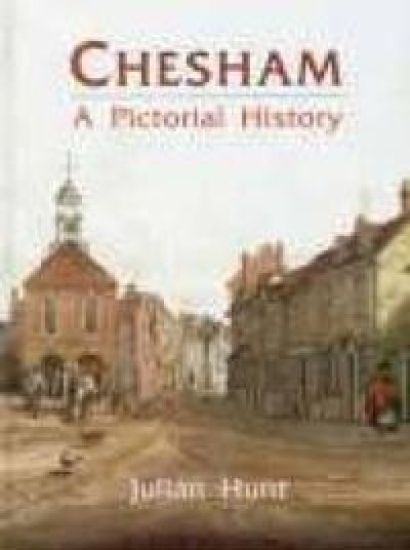
Chesham: A Pictorial History

Chesham: A Pictorial History

Julian Hunt

Phillimore Co Ltd
1997
nidottu
Chesham was by far the largest and one of the most populous parishes in Buckinghamshire until the late 19th-century boundary changes. The bustling valley-bottom town, with its ancient market and varied industries, contrasts with the quiet agricultural hamlets on the surrounding hillsides, and it is also one of the most attractive towns in the Chilterns. “The text, comprehensive as usual, and the well-captioned illustrations of the highest standard ...” Origins
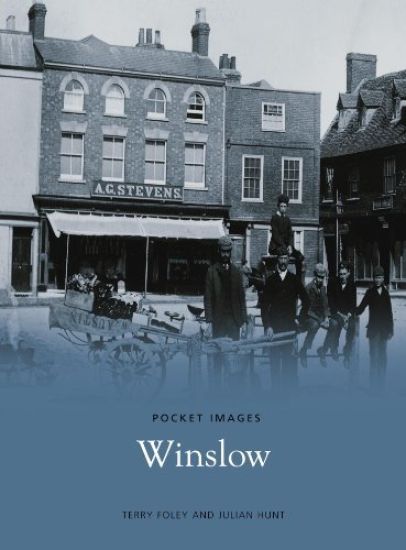
Winslow

Winslow

Terry Foley; Julian Hunt

The History Press Ltd
1997
nidottu
THIS unique collection of over 150 old photographs of Winslow has ben compiled largely from the collection of local historian Terry Foley, a former Mayor of Winslow. His own photographs are supplemented by many postcards loaned by friends in the town. Other images are supplied by the Centre for Buckinghamshire Studies in Aylesbury. The photographs are accompanied by authoritative captions based on Terry’s extensive interviews with older members of the community and the research of Julian Hunt, the former Local Studies Librarian for Buckinghamshire, who also lives in Winslow. The history of this small market town is traced from the eighth century, in which it was granted by Offa, King of Mercia, as an endowment for St Albans Abbey, to more recent centuries when Winslow society was dominated by the Lowndes family, builders of Winslow Hall. The authors include photographs of old farmhouses in Sheep Street and Horn Street, and of the historic Market Square, where cattle were sold until the end of the nineteenth century. They explain how the rural landscape was transformed following the enclosure acts of the mideighteenth century, and how the northern part of the town developed with the building of the workhouse in 1827 and the opening of the railway in 1850. This evocative collection of Winslow photographs shows residents at work and play, and will give pleasure to those old enough to remember many of the scenes portrayed and to those young enough to be intrigued by the history of the town.
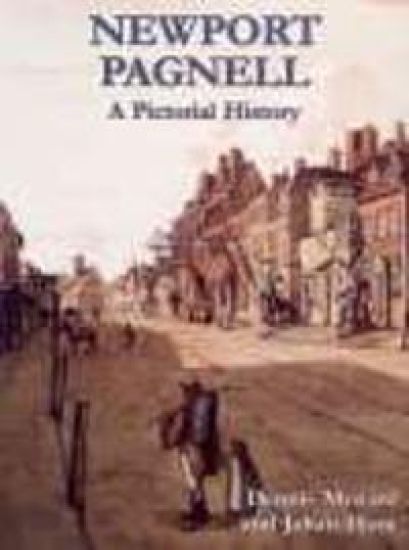
Newport Pagnell A Pictorial History

Newport Pagnell A Pictorial History

Dennis Mynard; Julian Hunt

Phillimore Co Ltd
1995
nidottu
Newport Pagnell has a thousand years of history as a market town. It is called Newport, meaning ‘a new market’, but later the name of the medieval owners, the Pagnells, was added. It was this family who founded nearby Tickford Priory and gave the monks the right to buy and sell produce free of toll in Newport Pagnell market. The town’s strategic position during the Civil War, and the quality of its inns, reflected its importance on the stagecoach routes. Newport Pagnell can justly claim that Tickford Bridge is the oldest cast-iron bridge in daily use.
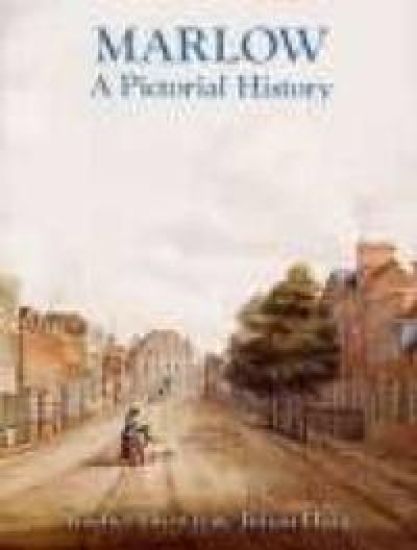
Marlow A Pictorial History

Marlow A Pictorial History

Rachel Brown; Julian Hunt

Phillimore Co Ltd
1994
sidottu
Marlow is an ancient Thames crossing point, a position symbolised by its elegant suspension bridge. Timber, wheat and malt were the main cargoes sent down river to London in the days when Marlow merchants built up contacts with trading houses in the capital, apprenticed their sons to London tradesmen, and forged commercial links. Though never a busy market town, it had a market day and two annual fairs. Due to wheat and barley growing, the local maltsters prospered and Wethered’s brewery become the largest employer in the town.
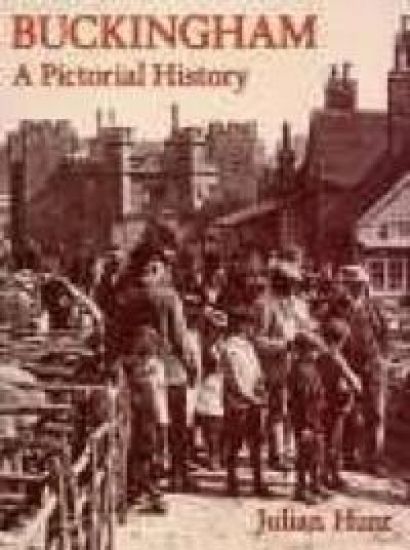
Buckingham: A Pictorial History

Buckingham: A Pictorial History

Julian Hunt

Phillimore Co Ltd
1994
nidottu
Buckingham means literally ‘the land of Bucca’s people in the bend of the river’, a small Saxon village. The success of this campaign made the castle redundant and Buckingham lagged behind trading centres such as Aylesbury. In recent times Buckingham has reversed this trend, with the Buckingham Development Company and Its University. “...beautifully produced, and should give pleasure to both the scholar and the layperson.” Chiltern Open Air Museum Newsletter
Aylesbury: A Pictorial History

Aylesbury: A Pictorial History

Hugh Hanley; Julian Hunt

Phillimore Co Ltd
1993
nidottu
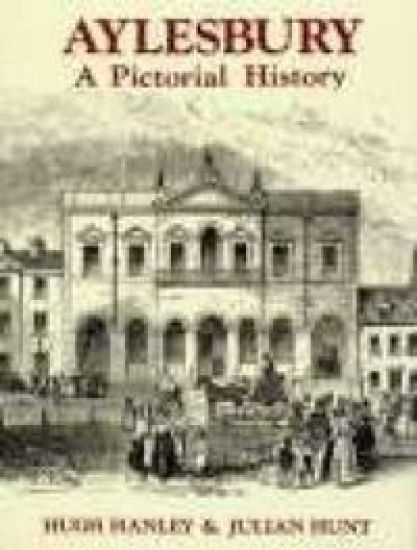
Aylesbury was first recorded as long ago as the year 571. It had grown up on the Roman Akeman Street, at the centre of the fertile Vale which bears its name. Its market tolls are listed in Domesday Book and its medieval market place is still the focus of town life today. The topography of the old town began to change in the early 19th century. In 1814, the Aylesbury branch of the Grand Junction Canal was opened, followed by the creation of a new High Street in 1826. In 1839, the town acquired its own railway line, bringing with it industry and an increase in population.