
Kirjailija
Julian Young
Kirjat ja teokset yhdessä paikassa: 30 kirjaa, julkaisuja vuosilta 1994-2025, suosituimpien joukossa A Memoir of Charles Mayne Young. Vertaile teosten hintoja ja tarkista saatavuus suomalaisista kirjakaupoista.
30 kirjaa
Kirjojen julkaisuhaarukka 1994-2025.
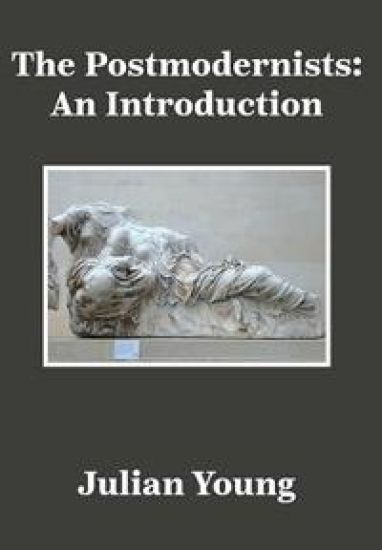
What is postmodern - postmodernism as philosophy - and what should we think of it? The first eight chapters of Julian Young’s new book examine the thought of key postmodernist philosophers: Lyotard, Deleuze, Foucault, Baudrillard, Derrida, Vattimo, Richard Rorty, and Judith Butler. In the final chapter, he turns to the question of what makes them all “postmodernists.” His conclusion is that postmodernism is best thought of as the combination of two elements: a “practical principle” and a “theoretical principle.” The practical principle is the claim that the Western ethical tradition is collapsing, and that since it is permeated by exclusionary and oppressive “binaries” that present white, heterosexual men as excellent human beings and everyone else as inferior, this is a good thing that we should further promote. The theoretical principle is the claim that there is no such thing as objective truth. Both principles, Young shows, are motivated by a radical political project: the abolition of the West as a cultural entity. But both propositions, he argues, are false. The practical principle is false because though the Western tradition is indeed fragmenting, this is a process we need to resist rather than encourage. The theoretical principle is false, among other reasons, because the postmodernists contradict themselves in multiple ways in asserting it. These conclusions matter, Young argues, because although academia lost interest in postmodernism at the end of the last century, it lives on as the ideology of the so-called social justice movement that has redefined what it means to be “on the left.”
Reprint of the original, first published in 1871. The publishing house Anatiposi publishes historical books as reprints. Due to their age, these books may have missing pages or inferior quality. Our aim is to preserve these books and make them available to the public so that they do not get lost.
Reprint of the original, first published in 1871. The publishing house Anatiposi publishes historical books as reprints. Due to their age, these books may have missing pages or inferior quality. Our aim is to preserve these books and make them available to the public so that they do not get lost.
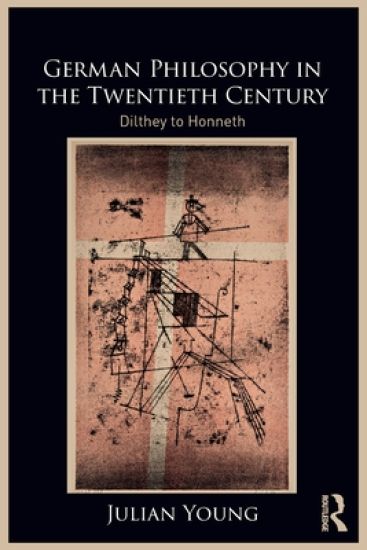
The path taken by German philosophy in the twentieth century is one of the most exciting and controversial in the history of human thought, by turns radical and conservative and secular and religious. In this outstanding introduction, German Philosophy in the Twentieth Century: Dilthey to Honneth—the third and final volume in his trilogy—Julian Young examines the work of eight German philosophers and theologians of the period. He discusses their engagement with the deepest existential questions, their critique of the rationalization and mechanization of modernity, and their commitment to varying forms of liberalism, socialism, and democracy.Young introduces and assesses the thought of the following figures: Wilhelm Dilthey: the need for ‘worldviews’, and the distinction between ‘explanation’ and ‘understanding’ as a bulwark against the reduction of human beings to scientific quantaKarl Jaspers: existentialism, the challenge of nihilism, and the turn to theologyEdith Stein: the phenomenology of empathy, community versus society, and the turn to Catholicism Paul Tillich: philosophical theology and the ‘theonomous’ lifeMartin Buber: recovering the ‘thou’ in the face of modernity’s reduction of everything to an ‘it’; the kibbutz as the paradigm of a socialist communityHans Jonas: the mortal threat posed by the unknown consequences of modern technology and the ethics of responsibility for the planetErich Fromm: the ‘art of loving’ as a bulwark against hard and soft totalitarianism; the replacement of capitalism by communitarian socialismAxel Honneth: contemporary Hegelianism and the ethics and politics of recognition; the nature of real freedom.Lucidly and engagingly written, German Philosophy in the Twentieth Century: Dilthey to Honneth is essential reading for students of German philosophy, phenomenology, and theology and will also be of interest to students in related fields such as literature, political theory, and sociology.German Philosophy in the Twentieth Century: Weber to Heidegger (2018) and German Philosophy in the Twentieth Century: Lukács to Strauss (2020) are also available from Routledge.

The path taken by German philosophy in the twentieth century is one of the most exciting and controversial in the history of human thought, by turns radical and conservative and secular and religious. In this outstanding introduction, German Philosophy in the Twentieth Century: Dilthey to Honneth—the third and final volume in his trilogy—Julian Young examines the work of eight German philosophers and theologians of the period. He discusses their engagement with the deepest existential questions, their critique of the rationalization and mechanization of modernity, and their commitment to varying forms of liberalism, socialism, and democracy.Young introduces and assesses the thought of the following figures: Wilhelm Dilthey: the need for ‘worldviews’, and the distinction between ‘explanation’ and ‘understanding’ as a bulwark against the reduction of human beings to scientific quantaKarl Jaspers: existentialism, the challenge of nihilism, and the turn to theologyEdith Stein: the phenomenology of empathy, community versus society, and the turn to Catholicism Paul Tillich: philosophical theology and the ‘theonomous’ lifeMartin Buber: recovering the ‘thou’ in the face of modernity’s reduction of everything to an ‘it’; the kibbutz as the paradigm of a socialist communityHans Jonas: the mortal threat posed by the unknown consequences of modern technology and the ethics of responsibility for the planetErich Fromm: the ‘art of loving’ as a bulwark against hard and soft totalitarianism; the replacement of capitalism by communitarian socialismAxel Honneth: contemporary Hegelianism and the ethics and politics of recognition; the nature of real freedom.Lucidly and engagingly written, German Philosophy in the Twentieth Century: Dilthey to Honneth is essential reading for students of German philosophy, phenomenology, and theology and will also be of interest to students in related fields such as literature, political theory, and sociology.German Philosophy in the Twentieth Century: Weber to Heidegger (2018) and German Philosophy in the Twentieth Century: Lukács to Strauss (2020) are also available from Routledge.
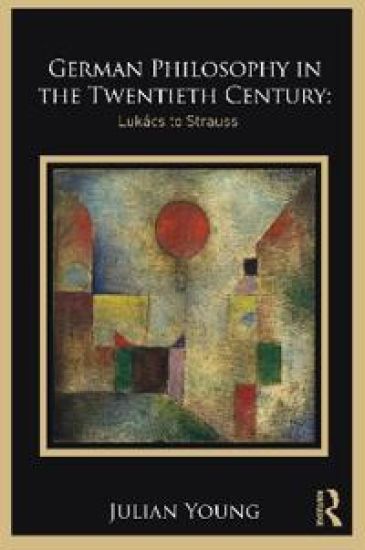
The course of German philosophy in the twentieth century is one of the most exciting and controversial in the history of human thought. In this outstanding and engaging introduction, a companion volume to his German Philosophy in the Twentieth Century: Weber to Heidegger, Julian Young examines and assesses the way in which some of the major German thinkers of the period reacted, often in starkly contrasting ways, to the challenges posed by the nature of modernity, the failure of liberalism and the concept of decline.Divided into two parts exploring major intellectual figures of the left and right respectively, Young introduces and assesses the thought of the following figures: Georg Lukács: the critique of capitalism: alienation, reification, and false consciousnessErnst Bloch: the Marxist utopiaWalter Benjamin: the confluence of phenomenology and left-wing thought: the Arcades Project, aura, and the technological reproduction of the artworkOswald Spengler: the pessimistic right and the concept of Western decline Max Scheler: Catholic conservatism and the ‘objective hierarchy of values’Carl Schmitt: the failure of liberalism, dictatorship, ‘friends’ versus ‘enemies’Leo Strauss: the rejection of moral relativism and the return to classical philosophy.Highly relevant when the viability of liberal democracy is again called into question, German Philosophy in the Twentieth Century: Lukacs to Strauss is essential reading for students of German philosophy, phenomenology and critical theory, and will also be of interest to students in related fields such as literature, religious studies, and political theory.
The course of German philosophy in the twentieth century is one of the most exciting and controversial in the history of human thought. In this outstanding and engaging introduction, a companion volume to his German Philosophy in the Twentieth Century: Weber to Heidegger, Julian Young examines and assesses the way in which some of the major German thinkers of the period reacted, often in starkly contrasting ways, to the challenges posed by the nature of modernity, the failure of liberalism and the concept of decline.Divided into two parts exploring major intellectual figures of the left and right respectively, Young introduces and assesses the thought of the following figures: Georg Lukács: the critique of capitalism: alienation, reification, and false consciousnessErnst Bloch: the Marxist utopiaWalter Benjamin: the confluence of phenomenology and left-wing thought: the Arcades Project, aura, and the technological reproduction of the artworkOswald Spengler: the pessimistic right and the concept of Western decline Max Scheler: Catholic conservatism and the ‘objective hierarchy of values’Carl Schmitt: the failure of liberalism, dictatorship, ‘friends’ versus ‘enemies’Leo Strauss: the rejection of moral relativism and the return to classical philosophy.Highly relevant when the viability of liberal democracy is again called into question, German Philosophy in the Twentieth Century: Lukacs to Strauss is essential reading for students of German philosophy, phenomenology and critical theory, and will also be of interest to students in related fields such as literature, religious studies, and political theory.

The course of German philosophy in the twentieth century is one of the most exciting, diverse and controversial periods in the history of human thought. It is widely studied and its legacy hotly contested.In this outstanding introduction, Julian Young explains and assesses the two dominant traditions in modern German philosophy – critical theory and phenomenology – by examining the following key thinkers and topics: Max Weber’s setting the agenda for modern German philosophy: the ‘rationalization’ and ‘disenchantment’ of modernity resulting in ‘loss of freedom’ and ‘loss of meaning’Horkheimer and Adorno: rationalization and the ‘culture industry’Habermas’ defence of Enlightenment rationalization, the ‘unfinished project of modernity’Marcuse: a Freud-based vision of a repression-free utopiaHusserl: overcoming the ‘crisis of humanity’ through phenomenologyEarly Heidegger’s existential phenomenology: ‘authenticity’ as loyalty to ‘heritage’Gadamer and ‘fusion of horizons’ Arendt: the human conditionLater Heidegger: the re-enchantment of reality.German Philosophy in the Twentieth Century: Weber to Heidegger is essential reading for students of German philosophy, phenomenology and critical theory, and will also be of interest to students in related fields such as literature, religious studies, and political theory.
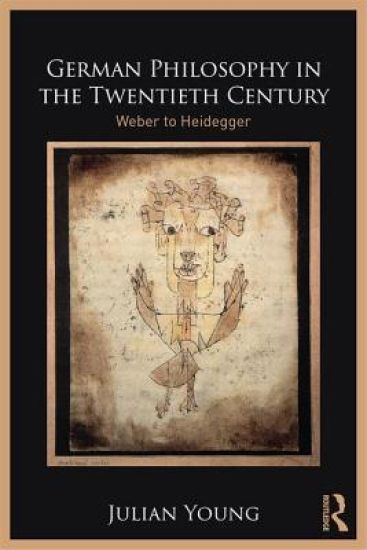
The course of German philosophy in the twentieth century is one of the most exciting, diverse and controversial periods in the history of human thought. It is widely studied and its legacy hotly contested.In this outstanding introduction, Julian Young explains and assesses the two dominant traditions in modern German philosophy – critical theory and phenomenology – by examining the following key thinkers and topics: Max Weber’s setting the agenda for modern German philosophy: the ‘rationalization’ and ‘disenchantment’ of modernity resulting in ‘loss of freedom’ and ‘loss of meaning’Horkheimer and Adorno: rationalization and the ‘culture industry’Habermas’ defence of Enlightenment rationalization, the ‘unfinished project of modernity’Marcuse: a Freud-based vision of a repression-free utopiaHusserl: overcoming the ‘crisis of humanity’ through phenomenologyEarly Heidegger’s existential phenomenology: ‘authenticity’ as loyalty to ‘heritage’Gadamer and ‘fusion of horizons’ Arendt: the human conditionLater Heidegger: the re-enchantment of reality.German Philosophy in the Twentieth Century: Weber to Heidegger is essential reading for students of German philosophy, phenomenology and critical theory, and will also be of interest to students in related fields such as literature, religious studies, and political theory.

In addition to being a great composer, Richard Wagner was also an important philosopher. Julian Young begins by examining the philosophy of art and society Wagner constructs during his time as a revolutionary anarchist-communist. Modernity, Wagner argued, is to be rescued from its current anomie through the rebirth of Greek tragedy (the original Gesamtkunstwerk) in the form of the “artwork of the future," an artwork of which his own operas are the prototype. Young then examines the entirely different philosophy Wagner constructs after his 1854 conversion from Hegelian optimism to Schopenhauerian pessimism. “Redemption” now becomes, not a future utopia in this world, but rather “transfigured” existence in another world, attainable only through death. Viewing Wagner’s operas through the lens of his philosophy, the book offers often novel interpretations of Lohengrin, The Ring cycle, Tristan und Isolde, Die Meistersinger, and Parsifal. Finally, Young dresses the cause of Friedrich Nietzsche’s transformation from Wagner’s intimate friend and disciple into his most savage critic. Nietzsche’s fundamental accusation, it is argued, is one of betrayal: that Wagner betrayed his early, “life affirming” philosophy of art and life in favor of “life-denial." Nietzsche’s assertion and the final conclusion of the book is that our task, now, is to “become better Wagnerians than Wagner.”
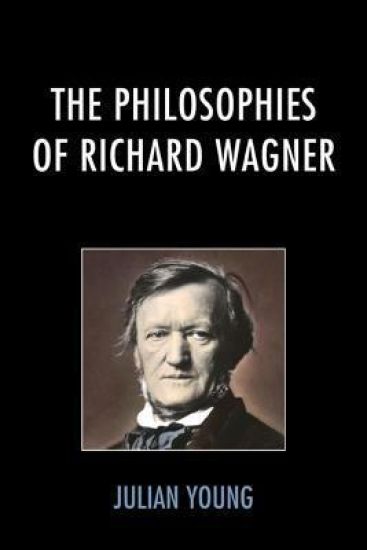
In addition to being a great composer, Richard Wagner was also an important philosopher. Julian Young begins by examining the philosophy of art and society Wagner constructs during his time as a revolutionary anarchist-communist. Modernity, Wagner argued, is to be rescued from its current anomie through the rebirth of Greek tragedy (the original Gesamtkunstwerk) in the form of the “artwork of the future," an artwork of which his own operas are the prototype. Young then examines the entirely different philosophy Wagner constructs after his 1854 conversion from Hegelian optimism to Schopenhauerian pessimism. “Redemption” now becomes, not a future utopia in this world, but rather “transfigured” existence in another world, attainable only through death. Viewing Wagner’s operas through the lens of his philosophy, the book offers often novel interpretations of Lohengrin, The Ring cycle, Tristan und Isolde, Die Meistersinger, and Parsifal. Finally, Young dresses the cause of Friedrich Nietzsche’s transformation from Wagner’s intimate friend and disciple into his most savage critic. Nietzsche’s fundamental accusation, it is argued, is one of betrayal: that Wagner betrayed his early, “life affirming” philosophy of art and life in favor of “life-denial." Nietzsche’s assertion and the final conclusion of the book is that our task, now, is to “become better Wagnerians than Wagner.”
What is the meaning of life? In today's secular, post-religious scientific world, this question has become a serious preoccupation. But it also has a long history: many major philosophers have thought deeply about it, as Julian Young so vividly illustrates in this thought-provoking second edition of The Death of God and the Meaning of Life.Three new chapters explore Søren Kierkegaard’s attempts to preserve a Christian answer to the question of the meaning of life, Karl Marx's attempt to translate this answer into naturalistic and atheistic terms, and Sigmund Freud’s deep pessimism about the possibility of any version of such an answer. Part 1 presents an historical overview of philosophers from Plato to Marx who have believed in a meaning of life, either in some supposed ‘other’ world or in the future of this world. Part 2 assesses what happened when the traditional structures that give life meaning began to erode. With nothing to take their place, these structures gave way to the threat of nihilism, to the appearance that life is meaningless. Young looks at the responses to this threat in chapters on Nietzsche, Heidegger, Sartre, Camus, Foucault and Derrida.Fully revised and updated throughout, this highly engaging exploration of fundamental issues will captivate anyone who’s ever asked themselves where life’s meaning (if there is one) really lies. It also makes a perfect historical introduction to philosophy, particularly to the continental tradition.
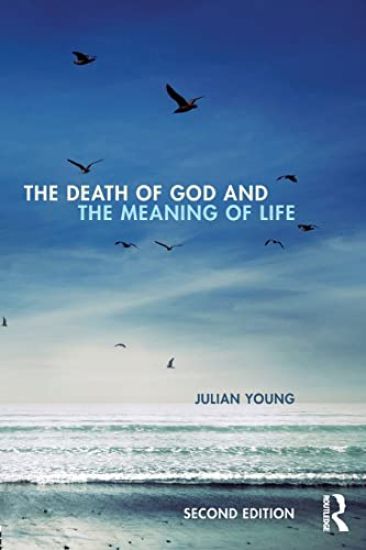
What is the meaning of life? In today's secular, post-religious scientific world, this question has become a serious preoccupation. But it also has a long history: many major philosophers have thought deeply about it, as Julian Young so vividly illustrates in this thought-provoking second edition of The Death of God and the Meaning of Life.Three new chapters explore Søren Kierkegaard’s attempts to preserve a Christian answer to the question of the meaning of life, Karl Marx's attempt to translate this answer into naturalistic and atheistic terms, and Sigmund Freud’s deep pessimism about the possibility of any version of such an answer. Part 1 presents an historical overview of philosophers from Plato to Marx who have believed in a meaning of life, either in some supposed ‘other’ world or in the future of this world. Part 2 assesses what happened when the traditional structures that give life meaning began to erode. With nothing to take their place, these structures gave way to the threat of nihilism, to the appearance that life is meaningless. Young looks at the responses to this threat in chapters on Nietzsche, Heidegger, Sartre, Camus, Foucault and Derrida.Fully revised and updated throughout, this highly engaging exploration of fundamental issues will captivate anyone who’s ever asked themselves where life’s meaning (if there is one) really lies. It also makes a perfect historical introduction to philosophy, particularly to the continental tradition.

This book is a full survey of the philosophy of tragedy from antiquity to the present. From Aristotle to Žižek the focal question has been: why, in spite of its distressing content, do we value tragic drama? What is the nature of the 'tragic effect'? Some philosophers point to a certain kind of pleasure that results from tragedy. Others, while not excluding pleasure, emphasize the knowledge we gain from tragedy - of psychology, ethics, freedom or immortality. Through a critical engagement with these and other philosophers, the book concludes by suggesting an answer to the question of what it is that constitutes tragedy 'in its highest vocation'. This book will be of equal interest to students of philosophy and of literature.

This book is a full survey of the philosophy of tragedy from antiquity to the present. From Aristotle to Žižek the focal question has been: why, in spite of its distressing content, do we value tragic drama? What is the nature of the 'tragic effect'? Some philosophers point to a certain kind of pleasure that results from tragedy. Others, while not excluding pleasure, emphasize the knowledge we gain from tragedy - of psychology, ethics, freedom or immortality. Through a critical engagement with these and other philosophers, the book concludes by suggesting an answer to the question of what it is that constitutes tragedy 'in its highest vocation'. This book will be of equal interest to students of philosophy and of literature.

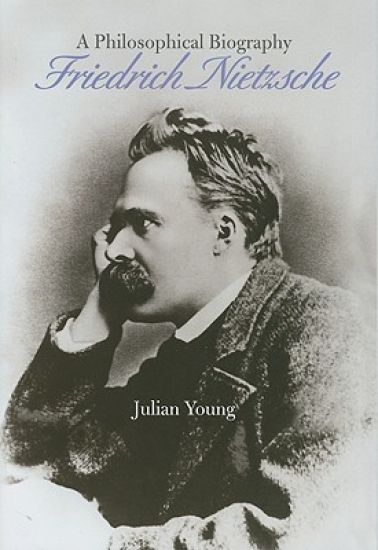
In this beautifully written account, Julian Young provides the most comprehensive biography available today of the life and philosophy of the nineteenth-century German philosopher Friedrich Nietzsche. Young deals with the many puzzles created by the conjunction of Nietzsche's personal history and his work: why the son of a Lutheran pastor developed into the self-styled 'Antichrist'; why this archetypical Prussian came to loath Bismarck's Prussia; and why this enemy of feminism preferred the company of feminist women. Setting Nietzsche's thought in the context of his times - the rise of Prussian militarism, anti-Semitism, Darwinian science, the 'Youth' and emancipationist movements, as well as the 'death of God' - Young emphasises the decisive influence of Plato and of Richard Wagner on Nietzsche's attempted reform of Western culture.