Kirjojen hintavertailu. Mukana 12 595 353 kirjaa ja 12 kauppaa.

Kirjailija

Julianne Malveaux

Kirjat ja teokset yhdessä paikassa: 6 kirjaa, julkaisuja vuosilta 2001-2017, suosituimpien joukossa Strong in the Struggle. Vertaile teosten hintoja ja tarkista saatavuus suomalaisista kirjakaupoista.

6 kirjaa

Kirjojen julkaisuhaarukka 2001-2017.

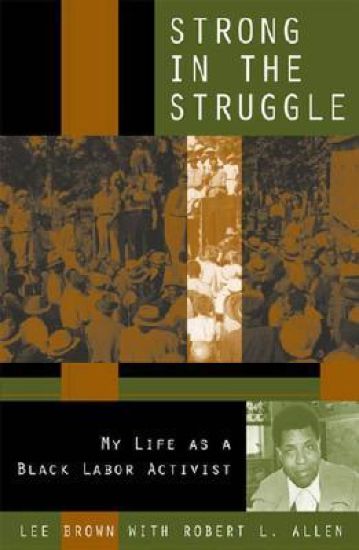
Strong in the Struggle

Strong in the Struggle

Lee Brown; Robert L. Allen; Julianne Malveaux

Rowman Littlefield
2001
sidottu
In the 1950s the notorious House Un-American Activities Committee launched a ruthless smear campaign and outright attack against hundreds of labor leaders, teachers, leftists, Communists, civil servants, filmmakers, civil rights activists, and many others it accused of conspiring to overthrow the government. On the basis of little or no evidence individuals were dragged before HUAC and harassed and threatened. Many lost their jobs or were jailed if they did not cooperate with a Committee that flagrantly trampled the right of freedom of speech and condemned individuals for association with progressive causes. One man who stood tall and refused to cooperate with the diabolical Committee was Lee Brown, an African American labor activist and a leader of an interracial union of waterfront workers in New Orleans. For his courageous act Brown soon lost his freedom but not his dignity. He was tried and unjustly convicted of violating the Taft-Hartley Act that prohibited Communist Party members from also serving as the leaders of labor unions. Brown spent more than two years in federal prison but his militancy and commitment to the struggle for workers' rights and civil rights remained undiminished. Strong in the Struggle tells the powerful story of the political awakening of Brown as a youth from the rural South, his life from childhood among poor black farmers, his encounters with the Jim Crow system of racial segregation and racial violence, his discovery of the changes that could be won when working people organized into unions, his rise to leadership and his time of imprisonment, and his continuing advocacy of the ideals of racial equality and socialism. Told in his own words, it is an engaging story that follows him as a young man from Louisiana to Texas as a shipyard worker, to Arizona as a railroad worker, to Los Angeles and Hollywood where he worked in restaurants and as a bit-part actor during World War II, to the docks of New Orleans and the great hotels of San Francisco as the Civil Rights an
Black Greek-letter Organizations in the Twenty-First Century

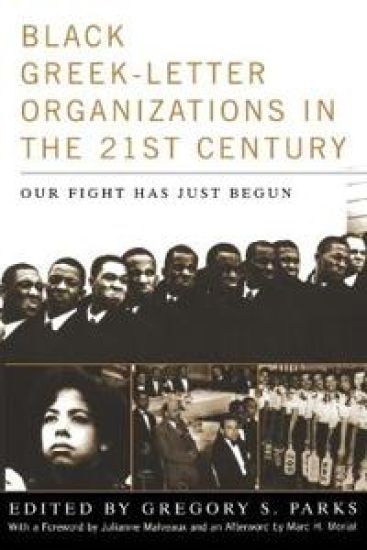
Black Greek-letter Organizations in the Twenty-First Century

Julianne Malveaux

The University Press of Kentucky
2017
nidottu
For much of the twentieth century, black Greek-letter organizations (BGLOs) united individuals dedicated to excellence, fostering kinship ties, and uplifting African Americans. Despite the profound influence of BGLOs, many now question the continuing relevance of these groups, arguing that their golden age has passed. Partly because of the influence of hip-hop culture, the image of BGLOs has been unfairly reduced to a stereotype -- a world of hazing and stepping without any real substance. Not only does the general public know very little about these groups, but often the members themselves do not have a deep understanding of their history and culture or of the issues facing their organizations. Gregory S. Parks has assembled an impressive group of contributors to show that the BGLOs' most important work lies ahead. Black Greek-letter Organizations in the Twenty-first Century: Our Fight Has Just Begun provides historical context for the development of BGLOs and explores their service activities as well as their relationships with other prominent African American institutions. The book examines BGLOs' responses to a number of contemporary issues, including non-black membership, homosexuality within membership, and the perception of BGLOs as educated gangs, in order to demonstrate that these organizations can create a positive and enduring future.
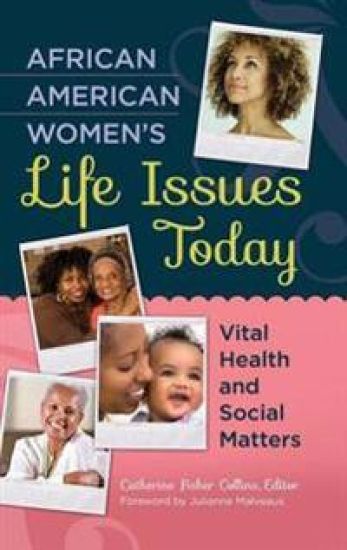
African American Women's Life Issues Today

African American Women's Life Issues Today

Julianne Malveaux

Praeger Publishers Inc
2013
sidottu
After decades of research devoted to women's health, a federal agency focused on women's health, and millions of dollars allocated to address women's health disparities, African American women are still the sickest American citizens. This book examines why.Written by an all-female, all-African American team of health experts that include nurse practitioners, registered nurses, educators, and psychologists, this book focuses on the diseases and related social issues that cause the greatest harm and pose the greatest threat to African American women today. Its chapters address topics as varied as heart disease, cancer, sexually transmitted diseases, domestic violence, cervical and breast cancers, obesity, depression, mental illness, dementia/Alzheimer's, and incarcerated women's health care. A chapter is dedicated to identifying the social, cultural, and environmental barriers that block African American women from experiencing the best possible lives. Providing comprehensive coverage of the topic from an Afrocentric perspective, this text will be of great interest to medical and psychological health professionals and professors; social workers, counselors, and students in these fields; as well as African American women seeking current and expert information on these health threats.
Reinventing Diversity

Reinventing Diversity

Howard J. Ross; Julianne Malveaux

Rowman Littlefield
2013
nidottu
Diversity in business and other organizations has been a goal for more than a quarter of a century, yet companies struggle to create an inclusive work place. In Reinventing Diversity, one of America's leading diversity experts explains why most diversity programs fail and how we can make them work. In this inspiring guide, Howard Ross, uses interviews, personal stories, statistics, and case studies to show that there is no quick fix, no easy answer. Acceptance needs to become part of the culture of a company, not just a mandated attitude. People still feel alienated because of their race, language, gender, sexuality, ethnicity, or culture. Many of these prejudices are unconscious and exclusions unintentional. Only through challenging our own preconceived notions about diversity can we build a productive and collaborative work environment in which all people are included.
Reinventing Diversity

Reinventing Diversity

Howard J. Ross; Julianne Malveaux

Rowman Littlefield
2011
sidottu
Diversity in business and other organizations has been a goal for more than a quarter of a century, yet companies struggle to create an inclusive work place. In Reinventing Diversity, one of America's leading diversity experts explains why most diversity programs fail and how we can make them work. In this inspiring guide, Howard Ross uses interviews, personal stories, statistics, and case studies to show that there is no quick fix, no easy answer. Acceptance needs to become part of the culture of a company, not just a mandated attitude. People still feel alienated because of their race, language, gender, sexuality, ethnicity, or culture. Many of these prejudices are unconscious and exclusions unintentional. Only through challenging our own preconceived notions about diversity can we build a productive and collaborative work environment in which all people are included.
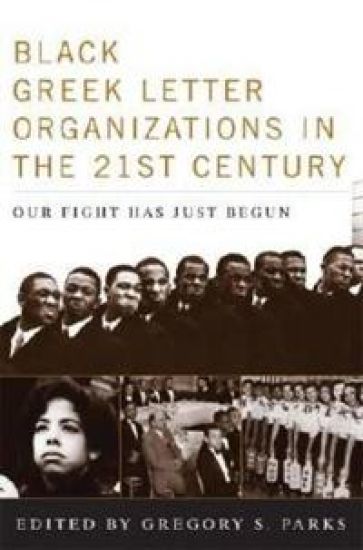
Black Greek-letter Organizations in the Twenty-First Century

Black Greek-letter Organizations in the Twenty-First Century

Julianne Malveaux; Marc Morial

The University Press of Kentucky
2008
sidottu
For much of the twentieth century, black Greek-letter organizations (BGLOs) united individuals dedicated to excellence, fostering kinship ties, and uplifting African Americans. Despite the profound influence of BGLOs, many now question the continuing relevance of these groups, arguing that their golden age has passed. Partly because of the influence of hip-hop culture, the image of BGLOs has been unfairly reduced to a stereotype -- a world of hazing and stepping without any real substance. Not only does the general public know very little about these groups, but often the members themselves do not have a deep understanding of their history and culture or of the issues facing their organizations. Gregory S. Parks has assembled an impressive group of contributors to show that the BGLOs' most important work lies ahead. Black Greek-letter Organizations in the Twenty-first Century: Our Fight Has Just Begun provides historical context for the development of BGLOs and explores their service activities as well as their relationships with other prominent African American institutions. The book examines BGLOs' responses to a number of contemporary issues, including non-black membership, homosexuality within membership, and the perception of BGLOs as educated gangs, in order to demonstrate that these organizations can create a positive and enduring future.