Kirjojen hintavertailu. Mukana 12 514 874 kirjaa ja 12 kauppaa.

Kirjailija

Julianne Warren

Kirjat ja teokset yhdessä paikassa: 2 kirjaa, julkaisuja vuodelta 2025, suosituimpien joukossa ‘Alaska’ is Not a Blank Space. Vertaile teosten hintoja ja tarkista saatavuus suomalaisista kirjakaupoista.

2 kirjaa

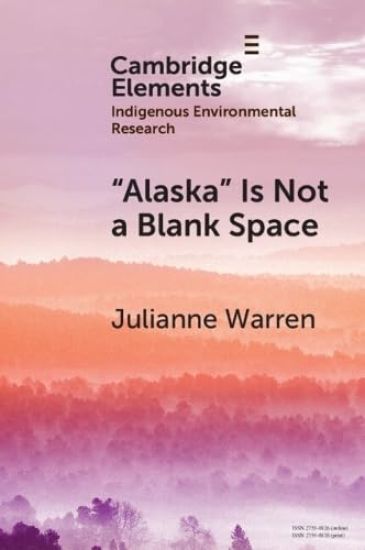
‘Alaska’ is Not a Blank Space

‘Alaska’ is Not a Blank Space

Julianne Warren

Cambridge University Press
2025
pokkari
This Element supports Gwich'in, Iñupiat, and all Alaska Natives' collective continuance and reparative justice from the perspective of a settler in the traditional territories of lower Tanana Dene Peoples. It stands with Alaska Natives' recovering and safe-keeping: kinships obstructed by settler-colonialism; ontologies and languages inseparable from land-relations and incommensurable with English-language perspectives; and epistemologies not beholden to any colonialist standard. These rights and responsibilities clash with Leopoldian conservation narratives still shaping mind-sets and institutions that eliminate Indigenous Peoples by telling bad history and by presuming entitlements to lands and norm-making authority. It models an interlocking method and methodology – surfacing white supremacist settler-colonialist assumptions and structures of Leopoldian conservation narratives – that may be adapted to critique other problematic legacies. It offers a pra xis of anti-colonialist, anti-racist, liberatory environmental-narrative critical-assessment centering Indigenous experts and values, including consent, diplomacy, and intergenerational respect needed for stable coalitions-making for climate and environmental justice.
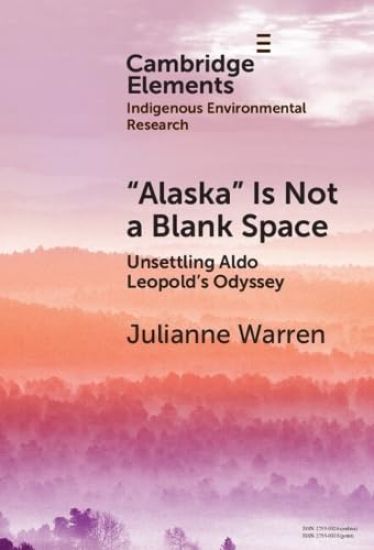
‘Alaska’ is Not a Blank Space

‘Alaska’ is Not a Blank Space

Julianne Warren

Cambridge University Press
2025
sidottu
This Element supports Gwich'in, Iñupiat, and all Alaska Natives' collective continuance and reparative justice from the perspective of a settler in the traditional territories of lower Tanana Dene Peoples. It stands with Alaska Natives' recovering and safe-keeping: kinships obstructed by settler-colonialism; ontologies and languages inseparable from land-relations and incommensurable with English-language perspectives; and epistemologies not beholden to any colonialist standard. These rights and responsibilities clash with Leopoldian conservation narratives still shaping mind-sets and institutions that eliminate Indigenous Peoples by telling bad history and by presuming entitlements to lands and norm-making authority. It models an interlocking method and methodology – surfacing white supremacist settler-colonialist assumptions and structures of Leopoldian conservation narratives – that may be adapted to critique other problematic legacies. It offers a pra xis of anti-colonialist, anti-racist, liberatory environmental-narrative critical-assessment centering Indigenous experts and values, including consent, diplomacy, and intergenerational respect needed for stable coalitions-making for climate and environmental justice.