Kirjojen hintavertailu. Mukana 12 390 323 kirjaa ja 12 kauppaa.
Kirjailija
Jun Luo
Kirjat ja teokset yhdessä paikassa: 8 kirjaa, julkaisuja vuosilta 2018-2024, suosituimpien joukossa Wastewater Treatment. Vertaile teosten hintoja ja tarkista saatavuus suomalaisista kirjakaupoista.
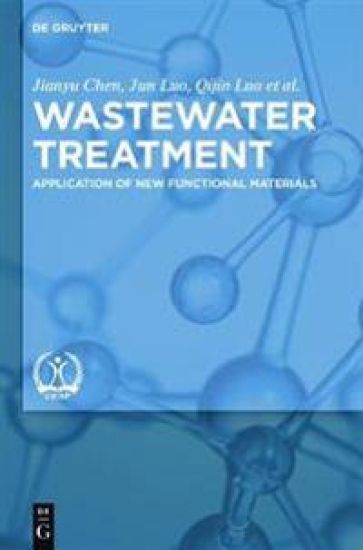
This book describes the research results and applications of functional zeolite, functional ceramsite, modified montmorillonite and other functional materials in water purification areas. With abundant project experiences, the book is an essential reference for researchers and PhD students in environmental science, material science, environmental chemistry, as well as industrial engineers.
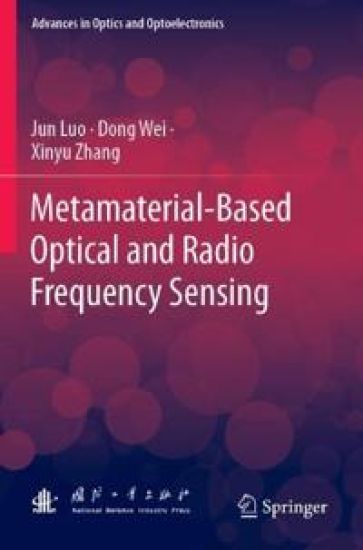
This book highlights the fundamentals and practical methods of metamaterials-based optical and radio frequency sensing. Combined with engineering practices, the book illustrates in detail wide frequency electromagnetic signal cloaking and the detection behavior of metasurfaces, including the structure of metasurfaces, electric-controlled behaviors, layout design and fabrication methods, and related experiment results. This book is expected to inspire the research and development of new optical and radio frequency detectors. It is suitable for researchers and engineers working on semiconductor devices, applied optics, and wide frequency signal detection. It is also a good reference for students in these areas.
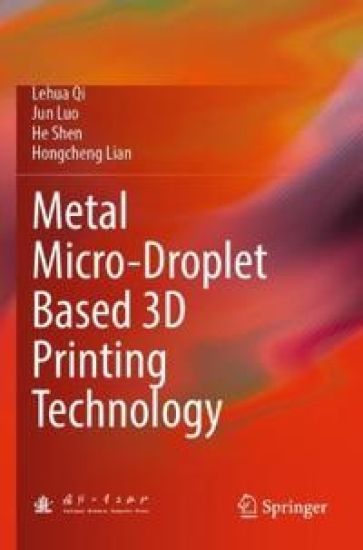
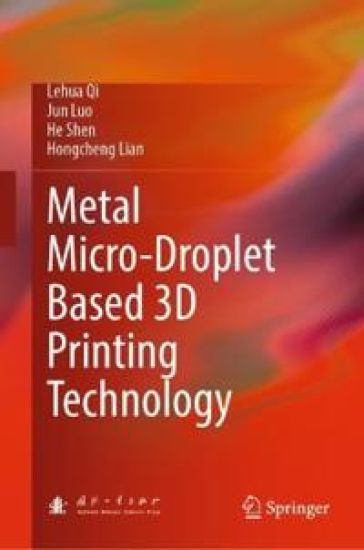
This book introduces a unique 3D printing method that prints metal parts by ejecting metal micro-droplets: a low-cost, contactless, and environmentally friendly 3D printing technology. This book follows a deductive approach to describe the fundamentals of metal droplet-based 3D printing and reveal the relationships and unique features among multiple specific techniques used in droplet-based 3D printing. It starts with a general description of the principles and techniques involved in this technology and then focuses on the details of several specific metal droplet-ejection methods. Next, it puts forward various specific 3D printing techniques and illustrates their applications. This book is a valuable reference for scholars and researchers who work on metal 3D printing and other related areas. It is also used as a textbook for college graduate courses in mechanical manufacturing and material processing.
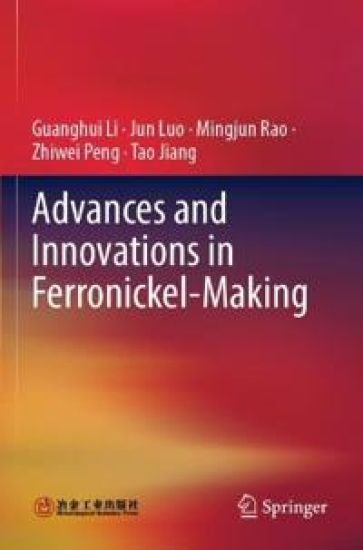
This book introduces the most inspiring progress in the production of ferronickel from laterite ores, from both theoretical and technological perspectives. Based on a detailed overview of nickel utilization from laterite ores, it provides the advances of four main methods for laterite ore processing, including the solid-sate reduction-magnetic separation process, the rotary kiln reduction-electric arc furnace smelting process, the Krupp-Renn process, and the sintering-blast furnace smelting process. Moreover, for mediating the adverse impacts of the byproducts in ferronickel and subsequent stainless-steel making, it presents pioneering technologies of utilization of ferronickel slag for producing value-added functional materials and recycling of stainless-steel pickling sludge for ferronickel making. This book is expected to offer the audiences a fascinating new insight into ferronickel making and related by-products valorization.
This book highlights the fundamentals and practical methods of metamaterials-based optical and radio frequency sensing. Combined with engineering practices, the book illustrates in detail wide frequency electromagnetic signal cloaking and the detection behavior of metasurfaces, including the structure of metasurfaces, electric-controlled behaviors, layout design and fabrication methods, and related experiment results. This book is expected to inspire the research and development of new optical and radio frequency detectors. It is suitable for researchers and engineers working on semiconductor devices, applied optics, and wide frequency signal detection. It is also a good reference for students in these areas.
This book introduces a unique 3D printing method that prints metal parts by ejecting metal micro-droplets: a low-cost, contactless, and environmentally friendly 3D printing technology. This book follows a deductive approach to describe the fundamentals of metal droplet-based 3D printing and reveal the relationships and unique features among multiple specific techniques used in droplet-based 3D printing. It starts with a general description of the principles and techniques involved in this technology and then focuses on the details of several specific metal droplet-ejection methods. Next, it puts forward various specific 3D printing techniques and illustrates their applications. This book is a valuable reference for scholars and researchers who work on metal 3D printing and other related areas. It is also used as a textbook for college graduate courses in mechanical manufacturing and material processing.
This book introduces the most inspiring progress in the production of ferronickel from laterite ores, from both theoretical and technological perspectives. Based on a detailed overview of nickel utilization from laterite ores, it provides the advances of four main methods for laterite ore processing, including the solid-sate reduction-magnetic separation process, the rotary kiln reduction-electric arc furnace smelting process, the Krupp-Renn process, and the sintering-blast furnace smelting process. Moreover, for mediating the adverse impacts of the byproducts in ferronickel and subsequent stainless-steel making, it presents pioneering technologies of utilization of ferronickel slag for producing value-added functional materials and recycling of stainless-steel pickling sludge for ferronickel making. This book is expected to offer the audiences a fascinating new insight into ferronickel making and related by-products valorization.
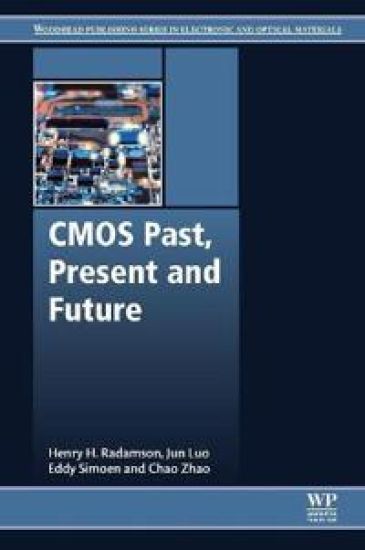
CMOS Past, Present and Future provides insight from the basics, to the state-of-the-art of CMOS processing and electrical characterization, including the integration of Group IV semiconductors-based photonics. The book goes into the pitfalls and opportunities associated with the use of hetero-epitaxy on silicon with strain engineering and the integration of photonics and high-mobility channels on a silicon platform. It begins with the basic definitions and equations, but extends to present technologies and challenges, creating a roadmap on the origins of the technology and its evolution to the present, along with a vision for future trends. The book examines the challenges and opportunities that materials beyond silicon provide, including a close look at high-k materials and metal gate, strain engineering, channel material and mobility, and contacts. The book's key approach is on characterizations, device processing and electrical measurements.