Kirjailija
June Alexander
Kirjat ja teokset yhdessä paikassa: 20 kirjaa, julkaisuja vuosilta 2009-2025, suosituimpien joukossa Real Life Diaries. Vertaile teosten hintoja ja tarkista saatavuus suomalaisista kirjakaupoista.
20 kirjaa
Kirjojen julkaisuhaarukka 2009-2025.
My Family is Back challenges conventional methods of eating disorder care by explaining the effectiveness of Multi-Family Therapy (MFT) in helping children recover from anorexia nervosa.MFT is an intensive method involving a small group of families working together towards recovery. Building on previous work that focuses on mobilising family resources as a major factor in therapeutic change, MFT introduces a new element: encouraging groups of families to work together to rediscover their strengths, overcome feelings of isolation, and find renewed hope. The authors describe how MFT works and how it can enhance the treatment of eating disorders by improving service delivery and reducing costs. Eighteen families serve as the ‘voice of experience,’ their stories breathing life into the science. The families provide a long-term perspective and reflection on their MFT participation. Their stories emphasise the importance of early intervention, family involvement, and collaboration in overcoming anorexia. Strategies for family members, friends, and professionals illustrate the evidence base for this model of care.This book, offering an accessible guide to MFT, has international appeal for families of children with eating disorders, health professionals, and healthcare providers.

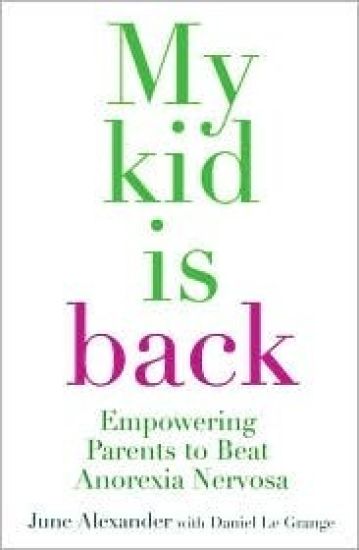
When anorexia nervosa (AN) develops in a child, it impacts the entire family. However, family-based treatment (FBT) offers hope by reinstating fundamental family coping principles—empowering parents and supporting them and their children in overcoming this serious psychiatric illness.My Kid is Back serves as an accessible guide to understanding FBT for parents of children with AN and the healthcare professionals working with them. Through a series of first-person interviews held with the parents, the siblings, and the child with anorexia, this book vividly presents the daily, 24/7 challenges of the illness on the family. Parents describe their frustrations in seeking help for their child, and sufferers discuss how the illness gets into their mind. Supplementing chapters detail how to tell if your child has AN, present an approachable explanation of FBT, and describe how to navigate the search for FBT. This second edition includes updated evidence-based research findings and revised content, language, and family resources. The featured case studies have been updated to be more neurodiverse, gender diverse, and ethnically diverse, as compared with the first edition. Presented in a way that parents, doctors, and treatment teams can readily relate to and understand, this book proves an essential resource for families who want to win the battle with anorexia nervosa.
Narrative Psychiatry and Family Collaborations
NINA JØRRING; June Alexander; David Epston
TAYLOR FRANCIS LTD
2022
nidottu
Narrative Psychiatry and Family Collaborations is about helping families with complex psychiatric problems by seeing and meeting the families and the family members, as the best versions of themselves, before we see and address the diagnoses.This book draws on ten years of clinical research and contains stories about helping people, who are heavily burdened with psychiatric illnesses, to find ways to live a life as close as possible to their dreams. The chapters are organized according to ideas, values, and techniques. The book describes family-oriented practices, narrative collaborative practices, narrative psychiatric practices, and narrative agency practices. It also talks about wonderfulness interviewing, mattering practices, public note taking on paper charts, therapeutic letter writing, diagnoses as externalized problems, narrative medicine, and family community meetings. Each chapter includes case studies that illustrate the theory, ethics, and practice, told by Nina Jørring in collaboration with the families and colleagues.The book will be of interest to child and adolescent psychiatrists and all other mental health professionals working with children and families.
Narrative Psychiatry and Family Collaborations
NINA JØRRING; June Alexander; David Epston
TAYLOR FRANCIS LTD
2022
sidottu
Narrative Psychiatry and Family Collaborations is about helping families with complex psychiatric problems by seeing and meeting the families and the family members, as the best versions of themselves, before we see and address the diagnoses.This book draws on ten years of clinical research and contains stories about helping people, who are heavily burdened with psychiatric illnesses, to find ways to live a life as close as possible to their dreams. The chapters are organized according to ideas, values, and techniques. The book describes family-oriented practices, narrative collaborative practices, narrative psychiatric practices, and narrative agency practices. It also talks about wonderfulness interviewing, mattering practices, public note taking on paper charts, therapeutic letter writing, diagnoses as externalized problems, narrative medicine, and family community meetings. Each chapter includes case studies that illustrate the theory, ethics, and practice, told by Nina Jørring in collaboration with the families and colleagues.The book will be of interest to child and adolescent psychiatrists and all other mental health professionals working with children and families.
Using Writing as a Therapy for Eating Disorders: The diary healer uses a unique combination of evidence-based research and raw diary excerpts to explain the pitfalls and benefits of diary writing during recovery from an eating disorder. In a time when diary writing remains a largely untapped resource in the health care professions, June Alexander sets out to correct this imbalance, explaining how the diary can inspire, heal and liberate, provide a learning tool for others and help us to understand and cope with life challenges.The book focuses on the power of diary writing, which may serve as a survival tool but become an unintended foe. With guidance, patients who struggle with face-to-face therapy are able to reveal their thoughts through writing and construct a strong sense of self. The effects of family background and the environment are explored, and the therapeutic value of sharing diaries, to better understand illness symptoms and behaviours, is discussed. Using Writing as a Therapy for Eating Disorders will be of interest to those who have recovered or are recovering from eating disorders or any mental illness, as well as therapists, clinicians and others working in the medical and healthcare professions.
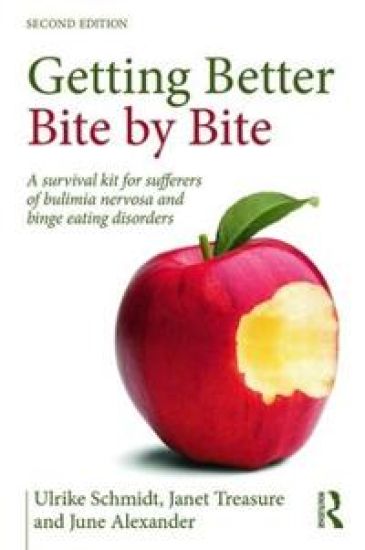
Getting Better Bite by Bite is an essential, authoritative and evidence-based self-help programmethat has been used by bulimia sufferersfor over 20 years. This new edition maintains the essence of the original book, while updating its content for today's readers, drawing on the latest knowledge of the biology and psychology of bulimia and its treatment. The book provides step-by-step guidance for change based on solid research. The use of everyday language, stimulating contemporary case study story-telling and evocative illustrations in Bite by Bite provide encouragement, hope and new perspectives for all readers. This handy-sized book fills a need for easy-to-understand information about Bulimia Nervosa, a serious and prevalent eating disorder. Ulrike Schmidt and Janet Treasure are world-renowned researchers and authorities on eating disorders, and June Alexander, a former sufferer of anorexia and bulimia, is a respected writer and internationally-known eating disorder awareness advocate. Getting Better Bite by Bite is a valuable resource - for sufferers, for their families, and for the health professionals and carers treating them.
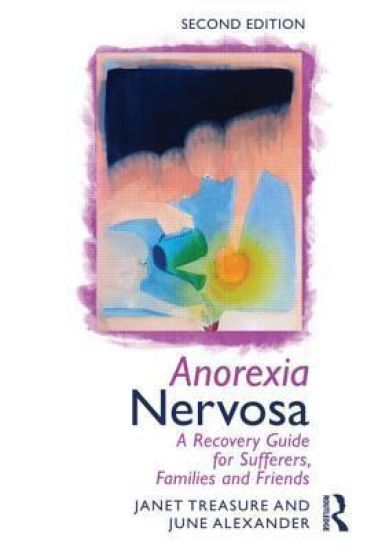
The highly respected and widely known Anorexia Nervosa: A Survival Guide for Sufferers and Friends was written in 1997. This long-awaited new edition builds on the work of the first book, providing essential new and updated research outcomes on anorexia nervosa. It offers a unique insight and guidance into the recovery process for those who suffer from an eating disorder as well as advice and information for their loved ones. Written collaboratively by both an expert in the field and someone with personal experience of eating disorders, this book offers exceptional understanding of the issues surrounding the illness. Divided into four sections, it includes: an outline of anorexia nervosa coping strategies for sufferers advice and information for families, carers and friends guidelines for professionals who are involved in the sufferer’s life. Families, friends, carers and professionals such as teachers and GPs are encouraged to read all sections in order to fully understand the illness. With an emphasis on collaboration and a layout that enables content to be referenced and read in any order, this book is an essential resource for anyone affected, directly or indirectly, by anorexia nervosa.
Ed says U said
Susan Ringwood; Catherine Sangster; June Alexander; Laura Collins
Jessica Kingsley Publishers
2012
pokkari
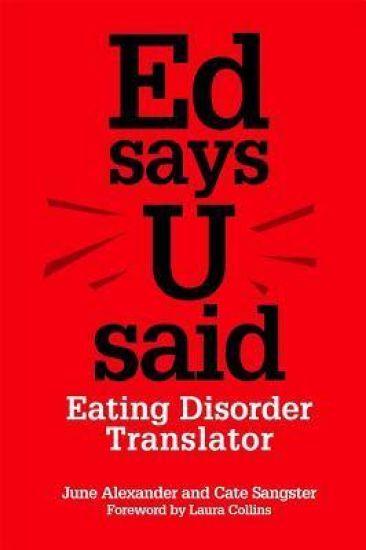
When an eating disorder (ED) is involved, the problems caused by miscommunication can have serious consequences. A remark from a parent that is intended as positive encouragement could act as a trigger and a criticism from someone with an ED might really be a cry for help. This book aims to improve communication between someone with an eating disorder and their friends and family by revealing the eating disorder mind set and decoding language choices. Using examples of real-life, everyday conversations, ED says U said translates the highly charged language of anorexia, bulimia and binge eating disorder and unravels the emotional chaos that can surround sufferers and those who care for them. It provides clear examples of the common pitfalls and gives invaluable advice about how to help in defusing the triggers and regaining the personality swamped by the illness.A unique resource of information on EDs, this book will be essential reading for everyone who has been affected by eating disorders: sufferers, carers, family and friends, together with health care professionals treating people with eating disorders.
Before There Was Time: The Story Of An Eternity
June Alexander
Createspace Independent Publishing Platform
2011
nidottu
At age 11, June developed anorexia nervosa, an illness that challenged and shaped her life. A Girl Called Tim is about June's 40-year, unrelenting quest to reclaim her identity, grab hold of the hand of that little girl lost, and set out on new adventures to reconnect with, strengthen and explore her true healthy self. This book is about hope and never giving up in the quest to live a free and fulfilling life.June resigned from a longtime career in print journalism in 2007 to write A Girl Called Tim. This publication of her inner story has led to the writing of eight more books about eating disorders. Today June is a non-fiction storyteller, with a special passion for the diary. Journaling was an important survival, coping and healing tool during her illness and recovery, and this collection of diaries is drawn on extensively in A Girl Called Tim. The diaries went on to become a major resource in June's Ph.D. in Creative Writing, which explores how to create a book from diary excerpts, and more specifically, how diary-writing can be a self-help and therapeutic tool for people with an eating disorder. Believing everyone has a story to tell, and that everyone's life counts, June shares her literary skills as a life-writing workshop presenter and mentor to those seeking to use journaling for healing, self-renewal and story sharing. A mental health advocate, June writes and speaks internationally on the theme 'Hope at Every Age' and serves on national and international mental health and advocacy organizations. Her websites and blog supports this work. June lives beside the sea on the Bellarine Peninsula, Victoria, Australia. Her prime inspirations are family and friends, the stories of others, her two cats and dog, and walks along the seashore. Read more about June and her books at www.thediaryhealer.com and www.lifestoriesmentor.com.au
When a child develops anorexia nervosa, parents often don't know where to turn for help.My Kid Is Back offers hope and encouragement for parents in fighting this eating disorder. Based on the Maudsley Approach, a successful family-based treatment, this book gives parents techniques for taking charge of the illness and helping their child move on with their lives.This is a practical guide that provides a fuller understanding of anorexia nervosa and information about where to go for help. It also features the stories of ten families who describe how they coped and the journeys they have made in beating the illness.