Kirjojen hintavertailu. Mukana 12 246 243 kirjaa ja 12 kauppaa.

Kirjailija

Justin Gregg

Kirjat ja teokset yhdessä paikassa: 11 kirjaa, julkaisuja vuosilta 2013-2026, suosituimpien joukossa Humanish. Vertaile teosten hintoja ja tarkista saatavuus suomalaisista kirjakaupoista.

11 kirjaa

Kirjojen julkaisuhaarukka 2013-2026.

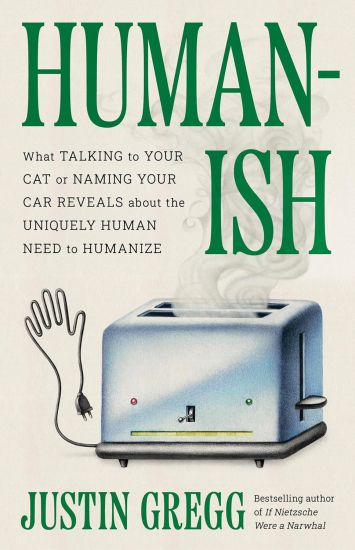
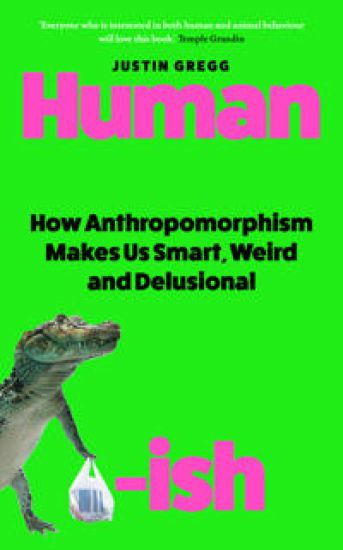
Humanish

Humanish

Justin Gregg

Oneworld Publications
2026
pokkari
Ever glanced at your cat and wondered if they were plotting something? Or passed a car and thought it seemed ‘friendly’, ‘surprised’ or ‘angry’ depending on the shape of its headlights? A TELEGRAPH BOOK OF THE YEAR ‘Illuminating and lively.’ Guardian, Book of the Day Anthropomorphism – the irresistible desire to apply human characteristics to animals, natural phenomena and even inanimate objects – is as natural as breathing. And it gets weirder… Million-dollar industries have sprung up to provide ‘cosmetic enhancements’ for dogs who’ve had the snip – their (inevitably male) owners wracked with guilt that their pets might be missing out on… something. Similarly, Justin Gregg, a researcher with the Dolphin Communication Project, regularly receives emails from mothers-to-be convinced that dolphins would make excellent midwives (spoiler alert: they definitely wouldn’t). Diving into the strange way anthropomorphism shapes our understanding of the world, Gregg offers an eye-opening journey through human perception. From cinema’s obsession with talking animals to the way we interact with our soon-to-be robot overlords, Humanish takes a hilarious journey through the strange world of anthropomorphism and explores what it reveals about this weird and wonderful bias within us all. *** 'Everyone who is interested in both human and animal behaviour will love this book.' Temple Grandin, author of Animals in Translation 'Hilarious, engaging, informative, timely, and astute, and truly addictive to read.' Alie Ward, host of Ologies podcast 'Humanish taught me a lot. Thanks to the jokes, I barely even realized I was being educated. Neat trick.' Peter Watts, Hugo Award-winning author of Blindsight
Humanish

Humanish

Justin Gregg

Oneworld Publications
2025
sidottu
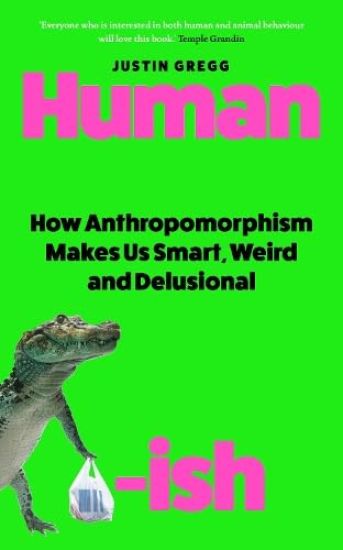
Ever glanced at your cat and wondered if they were plotting something? Or passed a car and thought it seemed ‘friendly’, ‘surprised’ or ‘angry’ depending on the shape of its headlights? Anthropomorphism – the irresistible desire to apply human characteristics to animals, natural phenomena and even inanimate objects – is as natural as breathing. And it gets weirder… Million-dollar industries have sprung up to provide ‘cosmetic enhancements’ for dogs who’ve had the snip – their (inevitably male) owners wracked with guilt that their pets might be missing out on… something. Similarly, Justin Gregg, a researcher with the Dolphin Communication Project, regularly receives emails from mothers-to-be convinced that dolphins would make excellent midwives (spoiler alert: they definitely wouldn’t). Diving into the strange way anthropomorphism shapes our understanding of the world, Gregg offers an eye-opening, humorous journey through human perception. From cinema’s obsession with talking animals to the way we interact with our soon-to-be robot overlords, Humanish takes an eye-opening journey through the strange world of anthropomorphism and explores what it reveals about this weird and wonderful bias within us all.
Humanish: What Talking to Your Cat or Naming Your Car Reveals about the Uniquely Human Need to Humanize
Anthropomorphism is the human tendency to attribute human-like thoughts, feelings, and intentions to non-human things. It's a cognitive bias baked into the human mind that distorts our view of the world. But it doesn't just affect our understanding of animals. Anthropomorphism impacts our relationship to all living things, as well as inanimate objects (like AI), and natural phenomena (like hurricanes). It's perhaps one of the most powerful cognitive biases influencing our thoughts, but it's rarely talked about. It's time to change that. In this groundbreaking book, bestselling science writer Justin Gregg takes readers on a journey through the science behind our peculiar tendency to humanize the nonhuman. Prepare to be amazed as Gregg unveils a world filled with emotional support alligators, a woman who married her briefcase, and Soviet super babies that drink dolphin milk. With a delightful mix of scientific insight and humor, this comprehensive exploration delves into the bizarre ways we engage in anthropomorphism. Each chapter is a treasure-trove of quirky stories and fascinating research, unraveling the reasons behind our instinct to see ourselves in the creatures around us. Gregg explores why we treat pets like people, how anthropomorphism drives consumerism, and the inverse process, dehumanization. Readers will come away with a better understanding of the biological benefits to anthropomorhism, how our lives are enriched by it, and how to harness it to create healthier relationships. Humanish is a crash course in anthropomorphism and an engaging exploration of the human experience, told through a comedic lens that will resonate with anyone who has ever whispered sweet nothings to their dog or imagined their cat plotting world domination.
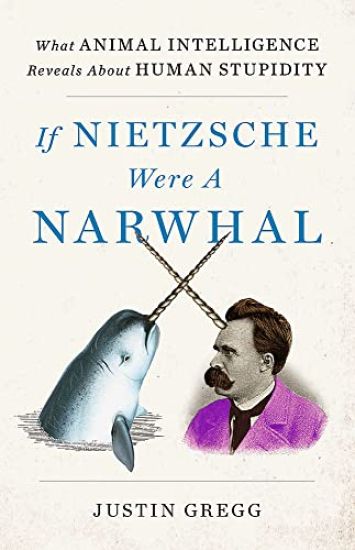
If Nietzsche Were a Narwhal

If Nietzsche Were a Narwhal

Justin Gregg

Hodder Stoughton
2024
nidottu
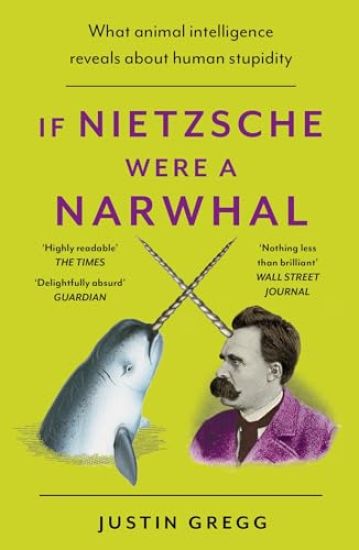
CHOSEN AS A BOOK OF THE YEAR BY WATERSTONES AND THE TIMES'Nothing less than brilliant' Wall Street Journal'Entertaining and original' Guardian'Accessible and insightful, it's a thought-provoking read' Observer'Highly readable' The Times__________What's it like to be a bat, a bee, or a bed bug? From narwhals to slugs, Dr Justin Gregg offers a window into the minds of other creatures and debunks many of the myths of human exceptionalism. With the latest research on animal minds and cognitive psychology, he shows us what animal minds can teach us about humanity's shortcomings. Mind-bending, humbling and hilarious, If Nietzsche Were a Narwhal will change how you think about animals, humans, and the meaning of life itself.__________'Provides real insight into how we think'Financial Times'Witty and instructive' New Statesman
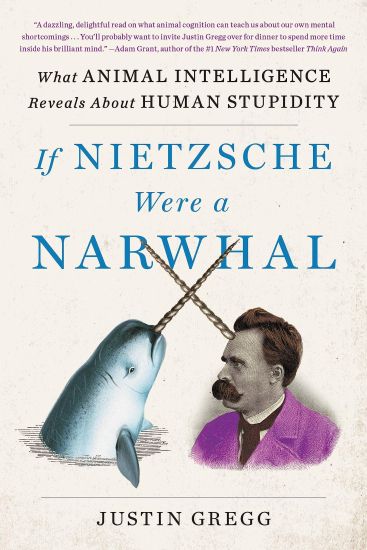
If Nietzsche Were a Narwhal: What Animal Intelligence Reveals about Human Stupidity
This funny, "extraordinary and thought-provoking" (The Wall Street Journal) book asks whether we are in fact the superior species. As it turns out, the truth is stranger--and far more interesting--than we have been led to believe. If Nietzsche Were a Narwhal overturns everything we thought we knew about human intelligence, and asks the question: would humans be better off as narwhals? Or some other, less brainy species? There's a good argument to be made that humans might be a less successful animal species precisely because of our amazing, complex intelligence. All our unique gifts like language, math, and science do not make us happier or more "successful" (evolutionarily speaking) than other species. Our intelligence allowed us to split the atom, but we've harnessed that knowledge to make machines of war. We are uniquely susceptible to bullshit (though, cuttlefish may be the best liars in the animal kingdom); our bizarre obsession with lawns has contributed to the growing threat of climate change; we are sexually diverse like many species yet stand apart as homophobic; and discriminate among our own as if its natural, which it certainly is not. Is our intelligence more of a curse than a gift? As scientist Justin Gregg persuasively argues, there's an evolutionary reason why human intelligence isn't more prevalent in the animal kingdom. Simply put, non-human animals don't need it to be successful. And, miraculously, their success arrives without the added baggage of destroying themselves and the planet in the process. In seven mind-bending and hilarious chapters, Gregg highlights one feature seemingly unique to humans--our use of language, our rationality, our moral systems, our so-called sophisticated consciousness--and compares it to our animal brethren. Along the way, remarkable tales of animal smarts emerge, as you'll discover: "A dazzling, delightful read on what animal cognition can teach us about our own mental shortcomings." --Adam Grant The house cat who's better at picking winning stocks than actual fund managers Elephants who love to drink Pigeons who are better than radiologists at spotting cancerous tissue Bumblebees who are geniuses at teaching each other soccer What emerges is both demystifying and remarkable, and will change how you look at animals, humans, and the meaning of life itself. San Francisco Chronicle bestseller - BOOKRIOT Best Books of the Year - Next Big Idea Book Club Best Science Books of the Year "I love the book, and everyone should read it." --Ryan Holiday "Undeniably entertaining." --TheNew York Times
If Nietzsche Were a Narwhal

If Nietzsche Were a Narwhal

Justin Gregg

Hodder Stoughton
2023
sidottu
CHOSEN AS A BOOK OF THE YEAR 2023 BY WATERSTONES AND THE TIMES'Entertaining and original.' Guardian'Accessible and insightful, it's a thought-provoking read.' Observer' Highly readable.' The Times'Nothing less than brilliant.' Wall Street JournalWhat if human intelligence is actually more of a liability than a gift? After all, the animal kingdom, in all its diversity, gets by just fine without it. At first glance, human history is full of remarkable feats of intelligence, yet human exceptionalism can be a double-edged sword. With our unique cognitive prowess comes severe consequences, including existential angst, violence, discrimination, and the creation of a world teetering towards climate catastrophe. What if human exceptionalism is more of a curse than a blessing?As Justin Gregg puts it, there's an evolutionary reason why human intelligence isn't more prevalent in the animal kingdom. Simply put, non-human animals don't need it to be successful. And, miraculously, their success arrives without the added baggage of destroying themselves and the planet in the process.In seven mind-bending and hilarious chapters, Gregg highlights features seemingly unique to humans - our use of language, our rationality, our moral systems, our so-called sophisticated consciousness - and compares them to our animal brethren. What emerges is both demystifying and remarkable, and will change how you look at animals, humans, and the meaning of life itself.
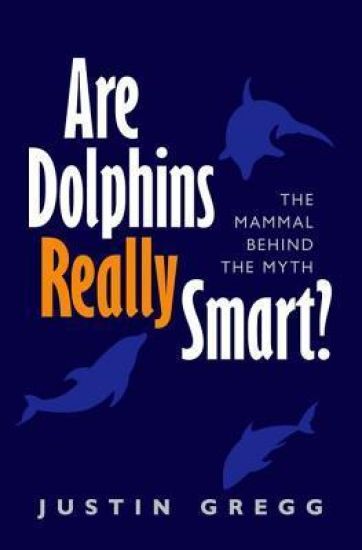
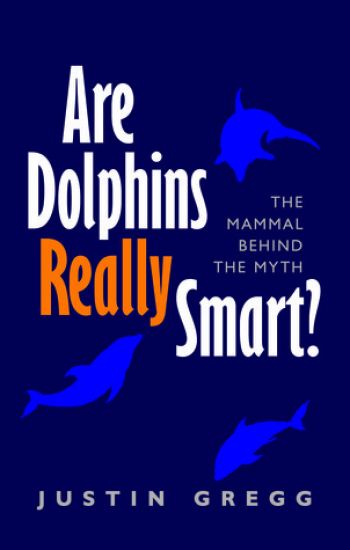
Are Dolphins Really Smart?

Are Dolphins Really Smart?

Justin Gregg

Oxford University Press
2015
nidottu
How intelligent are dolphins? Is their communication system really as complex as human language? And are they as friendly and peaceful as they are made out to be? The Western world has had an enduring love affair with dolphins since the early 1960s, with fanciful claims of their 'healing powers' and 'super intelligence'. Myths and pseudoscience abound on the subject. Justin Gregg weighs up the claims made about dolphin intelligence and separates scientific fact from fiction. He puts our knowledge about dolphin behaviour and intelligence into perspective, with comparisons to scientific studies of other animals, especially the crow family and great apes. He gives fascinating accounts of the challenges of testing what an animal with flippers and no facial expressions might be animal behaviour, Gregg challenges many of the widespread beliefs about dolphins, while also inspiring the reader with the remarkable abilities common to many of the less glamorized animals around us - such as chickens.
Are Dolphins Really Smart?

Are Dolphins Really Smart?

Justin Gregg

Oxford University Press
2013
sidottu
How intelligent are dolphins? Is their communication system really as complex as human language? And are they as friendly and peaceful as they are made out to be? The Western world has had an enduring love affair with dolphins since the early 1960s, with fanciful claims of their 'healing powers' and 'super intelligence'. Myths and pseudoscience abound on the subject. Justin Gregg weighs up the claims made about dolphin intelligence and separates scientific fact from fiction. He puts our knowledge about dolphin behaviour and intelligence into perspective, with comparisons to scientific studies of other animals, especially the crow family and great apes. He gives fascinating accounts of the challenges of testing what an animal with flippers and no facial expressions might be animal behaviour, Gregg challenges many of the widespread beliefs about dolphins, while also inspiring the reader with the remarkable abilities common to many of the less glamorized animals around us - such as chickens.