

Kirjailija
Justin Lewis
Kirjat ja teokset yhdessä paikassa: 24 kirjaa, julkaisuja vuosilta 2001-2026, suosituimpien joukossa C++ and Linux from Scratch. Vertaile teosten hintoja ja tarkista saatavuus suomalaisista kirjakaupoista.
24 kirjaa
Kirjojen julkaisuhaarukka 2001-2026.




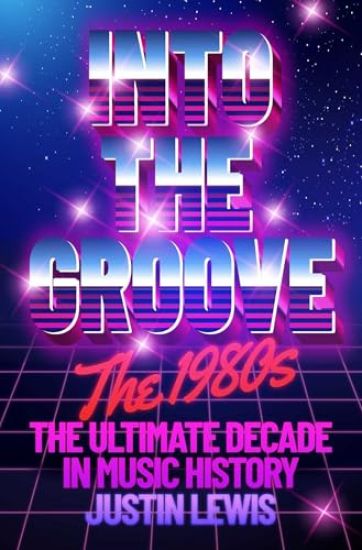
The eighties was one of the most innovative periods in the history of pop music – and even forty years on remains one of the best-loved, championed by radio, television, advertisements, theatre and films, with many of the acts still performing and recording. Into the Groove is a tale of pop and circumstance. It charts the global story of pop music month by month from January 1980 to December 1989, highlighting a variety of events and tracing the career paths of many noteworthy pop acts around the world, including Annie Lennox, A-ha, Roxette, Prince, Madonna, Kraftwerk, David Bowie, Whitney Houston, Sugarcubes – and many more. It celebrates genres of all kinds – the enduring and the faddish, the mainstream and the underground, from post-punk to acid house, from heavy rock to electronic, from hip hop to teen pop – showcasing many of the decade’s key recordings, figures and events, while also revealing plenty of intriguing lesser-known stories to create a wry and diverse musical tapestry. The perfect gift for any music lover or eighties aficionado, Into the Groove is an endlessly entertaining homage to the 1980s music scene. Praise for Don’t Stop the Music ‘A brilliant musical almanac’ Jonathan Coe, author of Middle England ‘An intoxicating music journey!’ Peter Curran, writer and broadcaster ‘A deft and delightful pop almanac’ The Arts Desk
Research, Development and Innovation in the Creative Industries
Ruxandra Lupu; Marlen Komorowski; Justin Lewis; Máté Miklos Fodor
TAYLOR FRANCIS LTD
2025
sidottu
What does effective research and development look like in the creative industries and how might it lead to successful innovation? This book is an answer to that question.Building upon place-based creative industry research, the book focuses on evidence from the media sector, while encompassing a range of creative practices, from digital tourism to dance. Leveraging unique empirical data from the Welsh creative industries, the authors map a series of pathways for creative businesses. In so doing, the book offers new frameworks for assessing innovative practice and highlights options for tailored institutional funding.Channelling research insights, this shortform book helps researchers, policy-makers and reflective practitioners to understand how to deliver effective strategies for the creative sector.The Open Access version of this book, available at www.taylorfrancis.com, has been made available under a Creative Commons Attribution-Non Commercial-No Derivatives (CC-BY-NC-ND) 4.0 license.
‘This is pop history told from a delightfully original perspective.’ Daily Mail With entries for every day of the year, ranging from mini-essays to pithy and engaging sentences, Don’t Stop the Music is a novel musical companion – a way of charting your year through the major events and tiny incidents in the lives and careers of pop stars and recording artists, spanning 130 years of unmissable musical milestones from 1894 to the present day. Whether it be when pop became newsworthy; when future stars attended notable gigs; when that K-Pop act issued their first single; or when Elvis Presley found himself on TV singing ‘Hound Dog’ to a basset hound, there are surprising and enlightening events from the history of popular music for every single day of the year. And esteemed music writer Justin Lewis has compiled them all for you, informatively and divertingly. *** ‘A wonderful ride through our pop universe amongst thousands of bright stars, gnarled debris and twinkling nuggets of music and events made distant over time. Lewis has made all of it up-close and vivid through this indispensable companion for anyone who loves music and popular culture. Whatever the age of the reader, it’s brimming with new discoveries and triggering classics: memories and signposts make this an intoxicating music journey!’ Peter Curran ‘This is an astonishing book, a calendar of pop, an almanac of songs, a day by day in the life of music. A book of events that’s an event in itself.’ David Quantick ‘An absolute must for all music fans, Lewis' addictive volume is packed to the gills with facts, trivia, notable events and pure pop nuggets.’ Waterstones ‘A brilliant musical almanac, compiled by an engaging writer whose musical knowledge is not just detailed but wide-ranging and generous.’ Jonathan Coe
‘This is pop history told from a delightfully original perspective.’ Daily Mail With entries for every day of the year, ranging from mini-essays to pithy and engaging sentences, Don’t Stop the Music is a novel musical companion – a way of charting your year through the major events and tiny incidents in the lives and careers of pop stars and recording artists, spanning 130 years of unmissable musical milestones from 1894 to the present day. Whether it be when pop became newsworthy; when future stars attended notable gigs; when that K-Pop act issued their first single; or when Elvis Presley found himself on TV singing ‘Hound Dog’ to a basset hound, there are surprising and enlightening events from the history of popular music for every single day of the year. And esteemed music writer Justin Lewis has compiled them all for you, informatively and divertingly. *** ‘A wonderful ride through our pop universe amongst thousands of bright stars, gnarled debris and twinkling nuggets of music and events made distant over time. Lewis has made all of it up-close and vivid through this indispensable companion for anyone who loves music and popular culture. Whatever the age of the reader, it’s brimming with new discoveries and triggering classics: memories and signposts make this an intoxicating music journey!’ Peter Curran ‘This is an astonishing book, a calendar of pop, an almanac of songs, a day by day in the life of music. A book of events that’s an event in itself.’ David Quantick ‘An absolute must for all music fans, Lewis' addictive volume is packed to the gills with facts, trivia, notable events and pure pop nuggets.’ Waterstones ‘A brilliant musical almanac, compiled by an engaging writer whose musical knowledge is not just detailed but wide-ranging and generous.’ Jonathan Coe

Originally published in 1991, this introduction to studying the television audience discusses developments in semiology and cultural studies and their contribution to our understanding of the power of television.How, in the most precise and intricate sense, does television influence the way we think about the world? What ideological role does it play in contemporary culture? Does TV control us or do we control it? This insightful book assesses the progress in responding to these questions and offers some answers of its own. In the 1980s, with the emergence of semiology and cultural studies in particular, there were a number of significant theoretical developments in our understanding of television's power of which this book provides an overview while also incorporating traditional approaches. It suggests that television influences us ambiguously and unpredictably, depending upon who we are and how we think. Ambiguity does not blunt television's power, it simply diversifies it into a very modern kind of omnipotence. Employing two major qualitative audience studies, this impressive study illustrates its argument with findings that are both unexpected and disturbing.

ENEDICT CUMBERBATCH has played detective and monster, barrister and scientist, politician and painter, comic and spy. Still only in his thirties, he has become one of Britain's foremost acting talents, excelling in theatre, television, radio and cinema. With a string of starring and supporting roles, he has portrayed contemporary icons, historical figures and fictional favourites, from Stephen Hawking, to William Pitt the Younger, to Frankenstein. He has become a radio comedy staple too, as the bungling airline pilot Captain Martin Crieff, in Radio 4's Cabin Pressure. But inevitably, he is still best known for his idiosyncratic and boldly 21st century incarnation of Sherlock Holmes in the BBC TV series, Sherlock. In this book, Justin Lewis traces Benedict Cumberbatch's career to date, from his early promise in Harrow School plays, through his first supporting roles in film, theatre and TV, to national and international acclaim. He examines his considerable contributions not only to Sherlock, but also to Sir Tom Stoppard's adaptation of Parade's End on television, and to feature films such as Tinker, Tailor, Soldier, Spy, Star Trek Into Darkness and War Horse.
First published in 1990, this investigative overview of the politics of arts’ and cultural funding examines the question of public support for the arts. Looking at both popular commercial forms of culture, including radio, pop music and cinema, and the more traditional highbrow arts such as drama and opera, Art, Culture and Enterprise was the first book of its kind to deal systematically with the politics of contemporary culture. Drawing examples from specific British venues, Justin Lewis shows how innovative projects work in practice, and considers arts marketing and the promotion of culture as an economic strategy. A particularly relevant title in the context of the debate surrounding Arts Council funding, this reissue will prove valuable for artists, administrators and students of media and cultural studies, alongside those with a general interest in the future of public art and culture.

BENEDICT CUMBERBATCH has played detective and monster, barrister and scientist, politician and painter, comic and spy. Still only in his thirties, he has become one of Britain's foremost acting talents, excelling in theatre, television, radio and cinema. With a string of starring and supporting roles, he has portrayed contemporary icons, historical figures and fictional favourites, from Stephen Hawking, to William Pitt the Younger, to Frankenstein. He has become a radio comedy staple too, as the bungling airline pilot Captain Martin Crieff, in Radio 4's Cabin Pressure. But inevitably, he is still best known for his idiosyncratic and boldly 21st century incarnation of Sherlock Holmes in the BBC TV series, Sherlock. In this book, Justin Lewis traces Benedict Cumberbatch's career to date, from his early promise in Harrow School plays, through his first supporting roles in film, theatre and TV, to national and international acclaim. He examines his considerable contributions not only to Sherlock, but also to Sir Tom Stoppard's adaptation of Parade's End on television, and to feature films such as Tinker, Tailor, Soldier, Spy, Star Trek Into Darkness and War Horse.
Consumer capitalism dominates our economy, our politics and our culture. Yet there is a growing body of research from a range of disciplines that suggests that consumer capitalism may be past its sell-by date. Beyond Consumer Capitalism begins by showing how, for people in the developed world, consumer capitalism has become economically and environmentally unsustainable and is no longer able to deliver its abiding promise of enhancing quality of life . This cutting-edge book then asks why we devote so little time and effort to imagining other forms of human progress. The answer, Lewis suggests, is that our cultural and information industries limit rather than stimulate critical thinking, keeping us on the treadmill of consumption and narrowing our vision of what constitutes progress. If we are to find a way out of this cul de sac, Lewis argues, we must begin by analysing the role of media in consumer capitalism and changing the way we organize media and communications. We need a cultural environment that encourages rather than stifles new ideas about what guides our economy and our society. Timely and compelling, Beyond Consumer Capitalism will have strong appeal to students and scholars of media studies, cultural studies and consumer culture.
Consumer capitalism dominates our economy, our politics and our culture. Yet there is a growing body of research from a range of disciplines that suggests that consumer capitalism may be past its sell-by date. Beyond Consumer Capitalism begins by showing how, for people in the developed world, consumer capitalism has become economically and environmentally unsustainable and is no longer able to deliver its abiding promise of enhancing quality of life . This cutting-edge book then asks why we devote so little time and effort to imagining other forms of human progress. The answer, Lewis suggests, is that our cultural and information industries limit rather than stimulate critical thinking, keeping us on the treadmill of consumption and narrowing our vision of what constitutes progress. If we are to find a way out of this cul de sac, Lewis argues, we must begin by analysing the role of media in consumer capitalism and changing the way we organize media and communications. We need a cultural environment that encourages rather than stifles new ideas about what guides our economy and our society. Timely and compelling, Beyond Consumer Capitalism will have strong appeal to students and scholars of media studies, cultural studies and consumer culture.
First published in 1990, this investigative overview of the politics of arts’ and cultural funding examines the question of public support for the arts. Looking at both popular commercial forms of culture, including radio, pop music and cinema, and the more traditional highbrow arts such as drama and opera, Art, Culture and Enterprise was the first book of its kind to deal systematically with the politics of contemporary culture. Drawing examples from specific British venues, Justin Lewis shows how innovative projects work in practice, and considers arts marketing and the promotion of culture as an economic strategy. A particularly relevant title in the context of the debate surrounding Arts Council funding, this reissue will prove valuable for artists, administrators and students of media and cultural studies, alongside those with a general interest in the future of public art and culture.

Originally published in 1991, this introduction to studying the television audience discusses developments in semiology and cultural studies and their contribution to our understanding of the power of television.How, in the most precise and intricate sense, does television influence the way we think about the world? What ideological role does it play in contemporary culture? Does TV control us or do we control it? This insightful book assesses the progress in responding to these questions and offers some answers of its own. In the 1980s, with the emergence of semiology and cultural studies in particular, there were a number of significant theoretical developments in our understanding of television's power of which this book provides an overview while also incorporating traditional approaches. It suggests that television influences us ambiguously and unpredictably, depending upon who we are and how we think. Ambiguity does not blunt television's power, it simply diversifies it into a very modern kind of omnipotence. Employing two major qualitative audience studies, this impressive study illustrates its argument with findings that are both unexpected and disturbing.

A regular in the charts and in the gossip columns, Olly is regarded by many as a possible successor to icons like Robbie Williams and Will Young. But not content with his triumphs as a singer, he has also become a TV fixture. After becoming the co-host of The Xtra Factor, he graduated to his own series, Olly: Life on Murs, in 2012. Olly Murs: The Biography follows his journey from suburbia to stardom and beyond. It explores how a seemingly ordinary and grounded Essex boy was determined to follow his dream - and strong and shrewd enough to survive the heady world of entertainment. Along the way, we see how his promising first career as a semi-pro footballer was halted and we discover how he deals with the pros and cons of a celebrity lifestyle.


Television Studies: The Key Concepts
Ben Calvert; Neil Casey; Bernadette Casey; Liam French; Justin Lewis
Routledge
2007
nidottu
Television Studies: The Key Concepts is the definitive reference guide to an area of rapidly expanding academic interest. Among those aspects of television studies covered in this comprehensive and up-to-date guide are:theoretical perspectives which have shaped the study of television - Marxism; semiology; feminismconcepts which have shaped the study of television - narrative; representation; biastelevision genres - soap opera; news; science fictionmethods used for understanding television - content analysis; audience researchrelevant social, economic and political phenomena - ownership; social policy.