Kirjojen hintavertailu. Mukana 12 422 602 kirjaa ja 12 kauppaa.

Kirjailija

Justin M. Jacobs

Kirjat ja teokset yhdessä paikassa: 6 kirjaa, julkaisuja vuosilta 2017-2025, suosituimpien joukossa The Compensations of Plunder. Vertaile teosten hintoja ja tarkista saatavuus suomalaisista kirjakaupoista.

Mukana myös kirjoitusasut: Justin M Jacobs

6 kirjaa

Kirjojen julkaisuhaarukka 2017-2025.

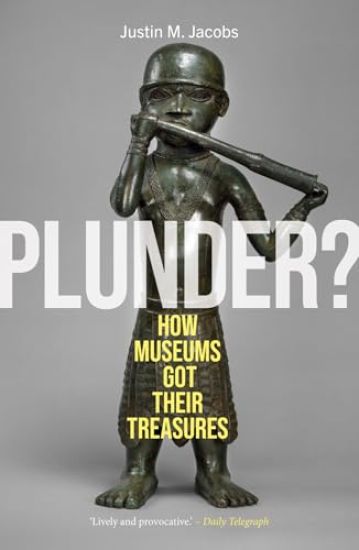
Plunder?

Plunder?

Justin M. Jacobs

REAKTION BOOKS
2025
nidottu
In this thought-provoking work, historian Justin M. Jacobs challenges the widely accepted belief that many of Western museums’ treasures were acquired by imperialist plunder and theft. His account re-examines the allegedly immoral provenance of Western collections, advocating for a nuanced understanding of how artefacts reached Western shores. Jacobs examines the perspectives of Chinese, Egyptian and other participants in the global antiquities trade over the past two and a half centuries, revealing that Western collectors were often willingly embraced by locals. This collaborative dynamic, largely ignored by contemporary museum critics, unfolds a narrative that may lead to hope and promise for a brighter, more equitable future.
Plunder?

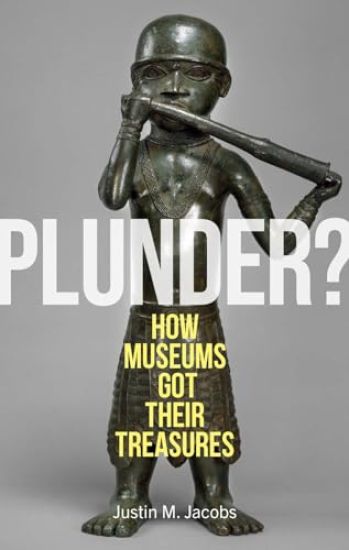
Plunder?

Justin M. Jacobs

REAKTION BOOKS
2024
sidottu
In this thought-provoking new work, historian Justin M. Jacobs challenges the widely accepted belief that many of Western museums’ treasures were acquired by imperialist plunder and theft. His account re-examines the allegedly immoral provenance of Western collections, advocating for a nuanced understanding of how artefacts reached Western shores. Jacobs examines the perspectives of Chinese, Egyptian and other participants in the global antiquities trade over the past two and a half centuries, revealing that Western collectors were often willingly embraced by locals. This collaborative dynamic, largely ignored by contemporary museum critics, unfolds a narrative that may lead to hope and promise for a brighter, more equitable future.
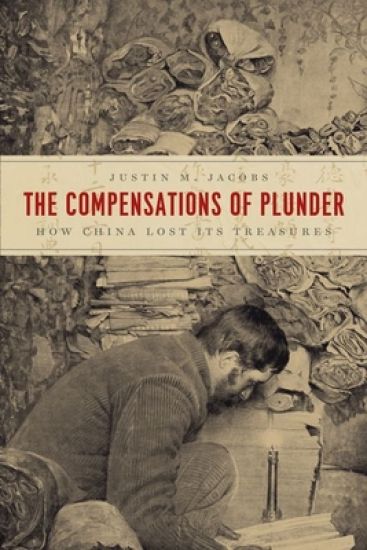
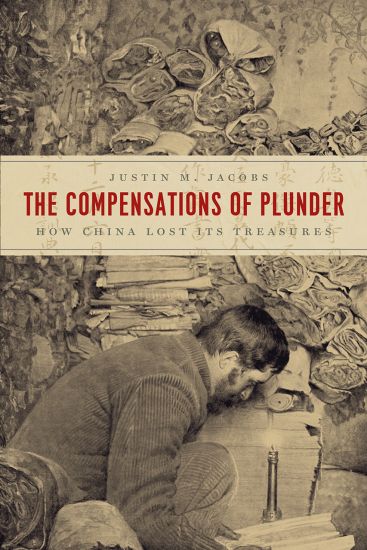
The Compensations of Plunder

The Compensations of Plunder

Justin M Jacobs

University of Chicago Press
2020
sidottu
From the 1790s until World War I, Western museums filled their shelves with art and antiquities from around the world. These objects are now widely seen as "stolen" or "plundered" from their countries of origin, and demands for their return grow louder by the day. In this pathbreaking study, Justin M. Jacobs challenges the longstanding assumption that coercion, corruption, and deceit were chiefly responsible for the exodus of cultural treasures from northwestern China. Based upon a close analysis of previously neglected archival sources in English, French, and Chinese, Jacobs finds that many local elites in China acquiesced to the removal of art and antiquities abroad, understanding their trade as currency for a cosmopolitan elite. In the decades after the 1911 Revolution, however, these antiquities went from being "diplomatic capital" to disputed icons of the emerging nation-state. A new generation of Chinese scholars began to criminalize the prior activities of archaeologists, erasing all memory of the pragmatic barter relationship that once existed in China. Recovering the voices of those local officials, scholars, and laborers who shaped the global trade in antiquities, The Compensations of Plunder brings historical grounding to a highly contentious topic in modern Chinese history and informs heated debates over cultural restitution throughout the world.
The Compensations of Plunder

The Compensations of Plunder

Justin M Jacobs

University of Chicago Press
2020
pokkari
From the 1790s until World War I, Western museums filled their shelves with art and antiquities from around the world. These objects are now widely seen as "stolen" or "plundered" from their countries of origin, and demands for their return grow louder by the day. In this pathbreaking study, Justin M. Jacobs challenges the longstanding assumption that coercion, corruption, and deceit were chiefly responsible for the exodus of cultural treasures from northwestern China. Based upon a close analysis of previously neglected archival sources in English, French, and Chinese, Jacobs finds that many local elites in China acquiesced to the removal of art and antiquities abroad, understanding their trade as currency for a cosmopolitan elite. In the decades after the 1911 Revolution, however, these antiquities went from being "diplomatic capital" to disputed icons of the emerging nation-state. A new generation of Chinese scholars began to criminalize the prior activities of archaeologists, erasing all memory of the pragmatic barter relationship that once existed in China. Recovering the voices of those local officials, scholars, and laborers who shaped the global trade in antiquities, The Compensations of Plunder brings historical grounding to a highly contentious topic in modern Chinese history and informs heated debates over cultural restitution throughout the world.
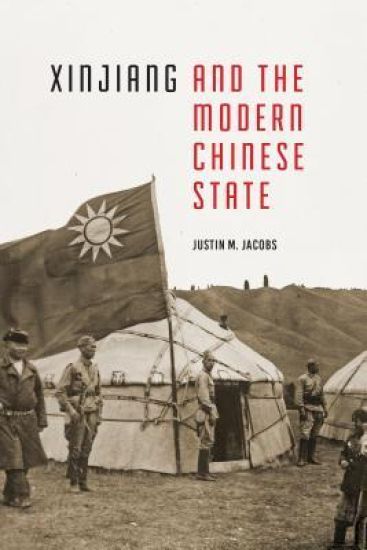
Xinjiang and the Modern Chinese State

Xinjiang and the Modern Chinese State

Justin M. Jacobs

University of Washington Press
2017
sidottu
Open-access edition: DOI 10.6069/9780295806570Xinjiang and the Modern Chinese State views modern Chinese political history from the perspective of Han officials who were tasked with governing Xinjiang. This region, inhabited by Uighurs, Kazaks, Hui, Mongols, Kirgiz, and Tajiks, is also the last significant "colony" of the former Qing empire to remain under continuous Chinese rule throughout the twentieth century. By foregrounding the responses of Chinese and other imperial elites to the growing threat of national determination across Eurasia, Justin Jacobs argues for a reconceptualization of the modern Chinese state as a "national empire." He shows how strategies for administering this region in the late Qing, Republican, and Communist eras were molded by, and shaped in response to, the rival platforms of ethnic difference characterized by Soviet and other geopolitical competitors across Inner and East Asia.This riveting narrative tracks Xinjiang political history through the Bolshevik revolution, the warlord years, Chinese civil war, and the large-scale Han immigration in the People's Republic of China, as well as the efforts of the exiled Xinjiang government in Taiwan after 1949 to claim the loyalty of Xinjiang refugees.
Xinjiang and the Modern Chinese State

Xinjiang and the Modern Chinese State

Justin M. Jacobs

University of Washington Press
2017
pokkari
Open-access edition: DOI 10.6069/9780295806570Xinjiang and the Modern Chinese State views modern Chinese political history from the perspective of Han officials who were tasked with governing Xinjiang. This region, inhabited by Uighurs, Kazaks, Hui, Mongols, Kirgiz, and Tajiks, is also the last significant "colony" of the former Qing empire to remain under continuous Chinese rule throughout the twentieth century. By foregrounding the responses of Chinese and other imperial elites to the growing threat of national determination across Eurasia, Justin Jacobs argues for a reconceptualization of the modern Chinese state as a "national empire." He shows how strategies for administering this region in the late Qing, Republican, and Communist eras were molded by, and shaped in response to, the rival platforms of ethnic difference characterized by Soviet and other geopolitical competitors across Inner and East Asia.This riveting narrative tracks Xinjiang political history through the Bolshevik revolution, the warlord years, Chinese civil war, and the large-scale Han immigration in the People's Republic of China, as well as the efforts of the exiled Xinjiang government in Taiwan after 1949 to claim the loyalty of Xinjiang refugees.