Kirjojen hintavertailu. Mukana 12 307 732 kirjaa ja 12 kauppaa.

Kirjailija

Justin Nordstrom

Kirjat ja teokset yhdessä paikassa: 3 kirjaa, julkaisuja vuosilta 2006-2022, suosituimpien joukossa Aunt Sammy's Radio Recipes. Vertaile teosten hintoja ja tarkista saatavuus suomalaisista kirjakaupoista.

3 kirjaa

Kirjojen julkaisuhaarukka 2006-2022.

Danger on the Doorstep

Danger on the Doorstep

Justin Nordstrom

UNIVERSITY OF NOTRE DAME PRESS
2022
sidottu
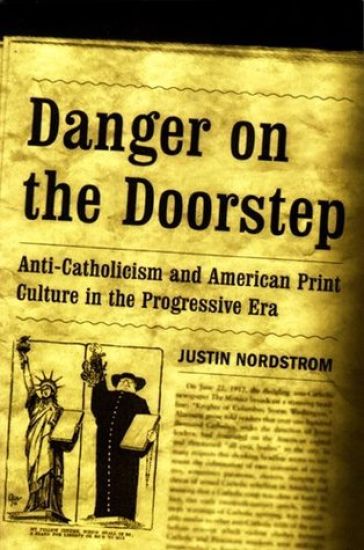
From 1910 to the end of World War I, American society witnessed a tremendous outpouring of books, pamphlets, and especially newspapers espousing virulently anti-Catholic themes and calling on readers to recognize the danger of Catholicism to the American republic. By 1915 the most popular anti-Catholic newspaper, The Menace, boasted over 1.6 million weekly readers. Justin Nordstrom's Danger on the Doorstep examines for the first time the rise and abrupt decline of anti-Catholic literature during the Progressive Era, as well as the issues and motivations that informed anti-Catholic writers and their "Romanist" opponents. Nordstrom explores the connection between anti-Catholicism and nationalism from 1910–1919. He argues that the anti-Catholic literature that occupied such a prominent place in the cultural landscape derived its popularity by infusing long-standing anti-Catholic traditions with the emerging themes of progressivism, masculinity, and nationalism. Nordstrom demonstrates that in the pages of anti-Catholic texts, Catholicism emerged as a manifestation of and a scapegoat for the dangers of modernity—including rampant urbanization, immigration, political corruption, and the proliferation of power conglomerates. Samples of Menace cartoons underscore Nordstrom's arguments. Danger on the Doorstep also examines Catholics' vigorous and highly-organized responses to journalistic attacks in the 1910s, ranging from lawsuits to widespread public relations campaigns. According to Nordstrom, the unraveling of anti-Catholic print literature by the end of the 1910s and the growing public presence of American Catholicism suggest that Catholic claims to full citizenship had trumped opponents' assertions of conspiracy. This fascinating look at an understudied episode of anti-Catholic radicalism will be of interest to scholars and students of religious history, popular culture, and journalism.
Aunt Sammy's Radio Recipes

Aunt Sammy's Radio Recipes

Justin Nordstrom

University of Arkansas Press
2018
nidottu
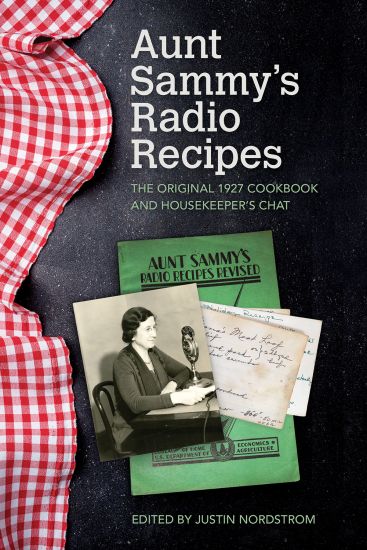
From the 1920s through the 1940s, American kitchens had a welcome guest in “Aunt Sammy,” a creation of the US Department of Agriculture and its Bureau of Home Economics. Through the radio program Housekeeper’s Chat, Aunt Sammy gave lively advice on food preparation, household chores, parenting and children, and gender dynamics as she encouraged women to embrace the radio and a host of modern consumer household products. The recipes she shared were gathered, in 1927, into a cookbook that became a valuable household manual for tens of thousands of Americans. Aunt Sammy’s Radio Recipes revives the famous cookbook and joins it with extensive excerpts from the accompanying radio broadcasts, providing a fascinating study of how a witty and charming fictionalized personae became one of the early celebrity chefs of the radio age.
Danger on the Doorstep

Danger on the Doorstep

Justin Nordstrom

University of Notre Dame Press
2006
nidottu
From 1910 to the end of World War I, American society witnessed a tremendous outpouring of books, pamphlets, and especially newspapers espousing virulently anti-Catholic themes and calling on readers to recognize the danger of Catholicism to the American republic. By 1915 the most popular anti-Catholic newspaper, The Menace, boasted over 1.6 million weekly readers. Justin Nordstrom's Danger on the Doorstep examines for the first time the rise and abrupt decline of anti-Catholic literature during the Progressive Era, as well as the issues and motivations that informed anti-Catholic writers and their "Romanist" opponents. Nordstrom explores the connection between anti-Catholicism and nationalism from 1910–1919. He argues that the anti-Catholic literature that occupied such a prominent place in the cultural landscape derived its popularity by infusing long-standing anti-Catholic traditions with the emerging themes of progressivism, masculinity, and nationalism. Nordstrom demonstrates that in the pages of anti-Catholic texts, Catholicism emerged as a manifestation of and a scapegoat for the dangers of modernity—including rampant urbanization, immigration, political corruption, and the proliferation of power conglomerates. Samples of Menace cartoons underscore Nordstrom's arguments. Danger on the Doorstep also examines Catholics' vigorous and highly-organized responses to journalistic attacks in the 1910s, ranging from lawsuits to widespread public relations campaigns. According to Nordstrom, the unraveling of anti-Catholic print literature by the end of the 1910s and the growing public presence of American Catholicism suggest that Catholic claims to full citizenship had trumped opponents' assertions of conspiracy. This fascinating look at an understudied episode of anti-Catholic radicalism will be of interest to scholars and students of religious history, popular culture, and journalism.