Kirjojen hintavertailu. Mukana 12 211 631 kirjaa ja 12 kauppaa.

Kirjailija

Justyna Salamonska

Kirjat ja teokset yhdessä paikassa: 2 kirjaa, julkaisuja vuosilta 2013-2019, suosituimpien joukossa New Mobilities in Europe. Vertaile teosten hintoja ja tarkista saatavuus suomalaisista kirjakaupoista.

2 kirjaa

Kirjojen julkaisuhaarukka 2013-2019.

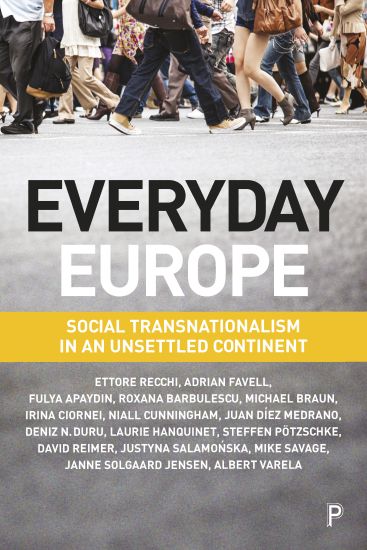
Everyday Europe

Everyday Europe

Ettore Recchi; Adrian Favell; Fulya Apaydin; Roxana Barbulescu; Michael Braun; Irina Ciornei; Niall Cunningham; Juan Diez Medrano; Deniz Neriman Duru; Laurie Hanquinet; Janne Solgaard Jensen; Steffen Pötzschke; David Reimer; Justyna Salamonska; Mike Savage; Albert Varela

Policy Press
2019
sidottu
This book offers an empirically-based view on Europeans’ interconnections in everyday life. It looks at the ways in which EU residents have been getting closer across national frontiers: in their everyday experiences of foreign countries – work, travel, personal networks – but also their knowledge, consumption of foreign products, and attitudes towards foreign culture. The book considers how people reconcile their increasing cross-border interconnections and a politically separating Europe of nation states and national interests.
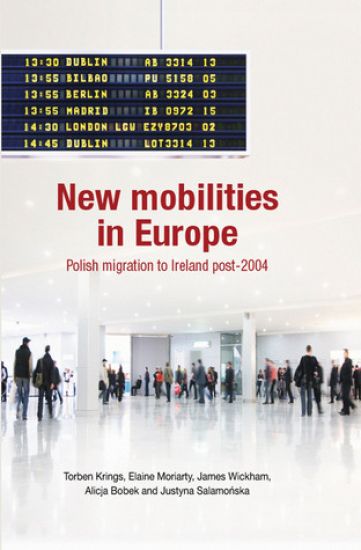
New Mobilities in Europe

New Mobilities in Europe

Torben Krings; Elaine Moriarty; James Wickham; Alicja Bobek; Justyna Salamonska

Manchester University Press
2013
sidottu
This book examines Polish migration to Ireland in the context of ‘new mobilities in Europe’. It includes detailed accounts of the working lives of a group of mainly skilled Polish migrants in Dublin. They were interviewed at regular intervals as part of a Qualitative Panel Study. Through this novel methodology, their careers and aspirations were traced as Ireland moved from ‘boom to bust’. What the research documents is a new experience of mobility which, it is suggested, is indicative of a broader trend in Europe. As ‘free movers’, Polish migrants were more mobile across countries and within national labour markets. Ireland’s ‘goldrush’ labour market created a seemingly endless demand for new labour. To understand how Irish firms utilised the new migrant workforce, the book also draws on interviews with employers. It thus locates the actions of both sides of the employment relationship in the particular socio-economic context in Ireland post-2004.