
Kirjojen hintavertailu. Mukana 12 595 353 kirjaa ja 12 kauppaa.

Kirjailija

K. E. Supriya

Kirjat ja teokset yhdessä paikassa: 2 kirjaa, julkaisuja vuosilta 2002-2004, suosituimpien joukossa Remembering Empire. Vertaile teosten hintoja ja tarkista saatavuus suomalaisista kirjakaupoista.

2 kirjaa

Kirjojen julkaisuhaarukka 2002-2004.

Remembering Empire

Remembering Empire

K. E. Supriya; Cameron McCarthy; Angharad N. Valdivia

Peter Lang Publishing Inc
2004
nidottu
Based on an ethnography of Fort St. George Museum in Chennai (formerly Madras), India, Remembering Empire explores the public and private politics of preserving the memory of the British period in the former seat of the British East India Company. K.E. Supriya shows how the preservation of artifacts and paintings from the British period has become a means through which the imperialist politics of empire are reworked in the cultural memory of the South Indian people. Field-work in the museum and extensive interviews across three generations show how Indians reconcile with the Britishness of Indian identity. Woven throughout is the author's probing commentary on the significance of affirmative conversations about racialized pasts in the United States. Remembering Empire essential reading for anyone interested in postcolonial India and the politics of cultural memory.
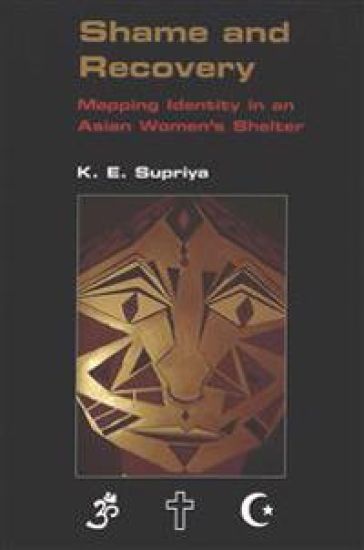
Shame and Recovery

Shame and Recovery

K. E. Supriya

Peter Lang Publishing Inc
2002
nidottu
The fields of communication and cultural studies have turned to investigating the relations among power, culture, and identity. "Shame and Recovery" is a critical ethnography, using postcolonial and poststructural perspectives in particular, of communication and cultural identity construction in a shelter for Asian women in Chicago. The cultural codes, values, and symbols of honor and shame illuminate the ways in which Asian women experiencing marital abuse and violence construct their identities. This ethnography also examines the process of recovery through the reconstruction of identity in the shelter. "Shame and Recovery" reflects on the politics and practices of religious faith as a paradoxical site of cultural control and transformation.