Kirjojen hintavertailu. Mukana 12 657 676 kirjaa ja 12 kauppaa.

Kirjailija

Kaiser Haq

Kirjat ja teokset yhdessä paikassa: 3 kirjaa, julkaisuja vuosilta 2002-2024, suosituimpien joukossa Ecoceanica. Vertaile teosten hintoja ja tarkista saatavuus suomalaisista kirjakaupoista.

3 kirjaa

Kirjojen julkaisuhaarukka 2002-2024.

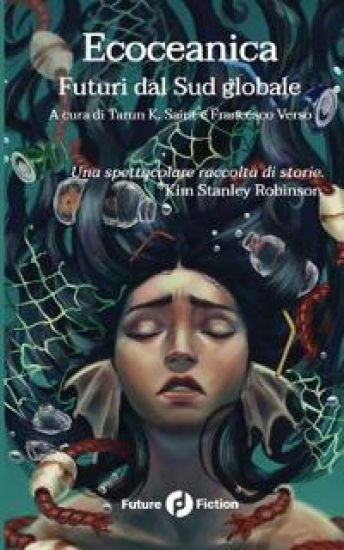
Ecoceanica

Ecoceanica

Kaiser Haq; Eugen Bacon; Thoraiya Dyer

Future Fiction
2024
pokkari
"Questa una spettacolare raccolta di storie provenienti dal Sud globale e dall'oceano che copre la maggior parte del nostro pianeta. Ogni volta che le tecnologie modificano le societ umane a un ritmo sempre pi accelerato, la fantascienza diventa la modalit letteraria preferita. Questo libro un segno di tale grande spostamento verso il futurismo visionario, che si dispiega per rivelare le possibilit utopiche ancora vive nel nostro presente. un piacere da leggere." Kim Stanley Robinson, autore de Il ministero del futuro Ecoceanica: Futuri dal Sud Globale propone storie dalle regioni costiere dell'Africa, del Mar Arabico, dell'Oceano Indiano e del Golfo del Bengala, estendendosi all'Australia e all'America Latina. Il volume ha offerto alle scrittrici e agli scrittori uno spazio per riflettere sulle esperienze passate del commercio marittimo, del colonialismo e dell'imperialismo. In queste narrazioni troviamo un tentativo di estrapolare scenari plausibili che derivano da tali esperienze storiche, sia verso il futuro prossimo che verso quello pi lontano, prevedendo le catastrofi ambientali che tali regioni si trovano ad affrontare nel momento del cambiamento climatico accelerato di origine antropica, nonch possibili alternative a livello micro e macro, che portano alla costruzione di trame distintive e varianti del novum della fantascienza.Ecoceanica si caratterizza quindi per una forma di futurismo oceanico del Sud, prendendo ispirazione da movimenti come il solarpunk che delineano approcci sia critici che alternativi agli attuali sistemi socioeconomici insostenibili che stanno mettendo a dura prova gli ecosistemi oceanici e le culture costiere. SommarioIntroduzione di Tarun K. SaintLa nuova frontiera di Kaiser Haq (Bangladesh)Mare Tranquillitatis di Soham Guha (India)Speranza alla fine del mondo di Chinaza Eziaghighala (Nigeria)La cercatrice d'acqua di Eugen Bacon (Tanzania/Australia)Flussi e deflussi di Sam Beckbessinger (Sudafrica)Parlo con mille voci di C sar Santiva ez (Per )Citt erose di Vajra Chandrasekera (Sri Lanka)I Had a Dream di Priya Sarukkai Chabria (India)La coltre e la luna di Thoraiya Dyer (Australia)Il nome del mondo Oceano di Vandana Singh (India)
The Triumph of the Snake Goddess

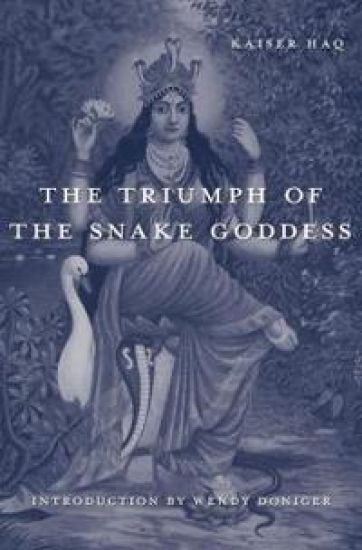
The Triumph of the Snake Goddess

Kaiser Haq

Harvard University Press
2015
sidottu
Snakes exist in the myths of most societies, often embodying magical, mysterious forces. Snake cults were especially important in eastern India and Bangladesh, where for centuries worshippers of the indigenous snake goddess Manasa resisted the competing religious influences of Indo-Europeans and Muslims. The result was a corpus of verse texts narrating Manasa’s struggle to win universal adoration.The Triumph of the Snake Goddess is the first comprehensive retelling of this epic tale in modern English. Scholar and poet Kaiser Haq offers a composite prose translation of Manasa’s story, based on five extant versions. Following the tradition of mangalkavyas—Bengali verse narratives celebrating the deeds of deities in order to win their blessings—the tale opens with a creation myth and a synopsis of Indian mythology, zooming in on Manasa, the miraculous child of the god Shiva. Manasa easily wins the allegiance of everyone except the wealthy merchant Chand, who holds fast in his devotion to Shiva despite seeing his sons massacred. A celestial couple is incarnated on earth to fulfill Manasa’s design: Behula, wife to one of Chand’s slain sons, undertakes a harrowing odyssey to restore him to life with Manasa’s help, ultimately persuading Chand to bow to the snake goddess.A prologue by Haq explores the Bengali oral, poetic, and manuscript traditions behind this Hindu folk epic—a vibrant part of popular Bengali culture, Hindu and Muslim, to this day—and an introduction by Wendy Doniger examines the history and significance of snake worship in classical Sanskrit texts.
The Wonders Of Vilayet

The Wonders Of Vilayet

Kaiser Haq

Peepal Tree Press Ltd
2002
nidottu
In 1765, Mirza Sheikh I'tesamuddin, a Bengali munchi employed by the East India Company, travelled on a mission to Britain to seek protection for the Mogul Emperor Shah Alam II. The mission was aborted by the greed and duplicity of Robert Clive, but it resulted in this remarkable account of the Mirza's travels in Britain and Europe.Written in Persian, 'Shigurf Nama-e-Vilayet' or 'Wonderful Tales about Europe' is an entertaining, unique and culturally valuable document. The Mirza was in no sense a colonial subject, and whilst he wrote frankly about what he felt accounted for India's decline and Europe's contemporary ascendance, he was a highly educated, culturally self-confident observer with a sharp and quizzical curiosity about the alien cultures he encountered. His accounts of visits to the theatre, the circus, freakshows, the 'mardrassah of Oxford', Scotland, of the racial alarms his presence sometimes provoked and of his impressions of British moral codes (including the 'filthy habits of the firinghees') make for fascinating reading.There is, too, embedded in the narrative, a touching and cautionary account of the Mirza's relationship with Captain Swinton, with whom he travelled from India and who was his regular companion in Britain. Swinton was evidently kindly and generous, but by the end of the Mirza's stay, the friendship has broken down, chiefly over Swinton's refusal to take the Mirza's Islamic faith and cultural identity seriously.Kaiser Haq's scholarly, modern translation is the first to appear in English since the original 'abridged and flawed translation' which appeared in 1827. The Wonders of Vilayet is an important document, a salutary addition to Western accounts of the 'Otherness' of India, orientalism in reverse.Kaiser Haq was born in what later became Bangladesh, for the creation of which he fought as an officer in the war of liberation. He is a poet and translator and is currently Professor of English at Dhaka University.