Kirjojen hintavertailu. Mukana 12 595 353 kirjaa ja 12 kauppaa.
Kirjailija
Kali Akuno
Kirjat ja teokset yhdessä paikassa: 4 kirjaa, julkaisuja vuosilta 2022-2027, suosituimpien joukossa Build and Fight. Vertaile teosten hintoja ja tarkista saatavuus suomalaisista kirjakaupoista.
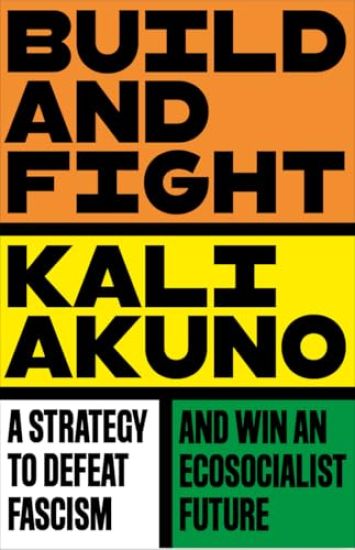
How can we defeat fascism? By building something better. For all its present incoherence and fragmentation, the left still possesses the tools to construct an ecosocialist future. It is time to use them. Drawing on a sweeping analysis of the last 30 years of social struggle, and his direct on-the-ground experience of building a solidarity economy in Cooperation Jackson, Mississippi, Kali Akuno lays out a road map for not only resisting and surviving, but eventually mounting a serious ecosocialist challenge to the ruling order. Arguing that we can only aggregate power through a coherent strategy of transformation, Build and Fight combines principles of mutual aid, worker self-organization, food sovereignty, popular democracy and self-defense with offensive strategies of the general strike, dual power, and Land Back. Pragmatic and invigorating, the book shows how a new society rooted in restorative justice, human rights and ecological sustainability could be born.
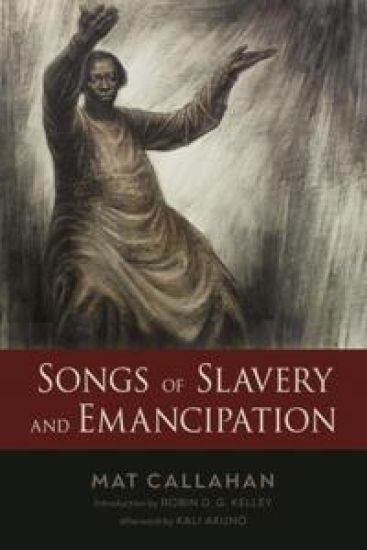
Throughout the history of slavery, enslaved people organized resistance, escape, and rebellion. Sustaining them in this struggle was their music, some examples of which are sung to this day. While the existence of slave songs, especially spirituals, is well known, their character is often misunderstood. Slave songs were not only lamentations of suffering or distractions from a life of misery. Some songs openly called for liberty and revolution, celebrating such heroes as Gabriel Prosser and Nat Turner, and, especially, celebrating the Haitian Revolution.The fight for freedom also included fugitive slaves, free Black people, and their white allies who brought forth a set of songs that were once widely disseminated but are now largely forgotten, the songs of the abolitionists. Often composed by fugitive slaves and free Black people, and first appearing in the eighteenth century, these songs continued to be written and sung until the Civil War. As the movement expanded, abolitionists even published song books used at public meetings. Mat Callahan presents recently discovered songs composed by enslaved people explicitly calling for resistance to slavery, some originating as early as 1784 and others as late as the Civil War. He also presents long-lost songs of the abolitionist movement, some written by fugitive slaves and free Black people, challenging common misconceptions of abolitionism. Songs of Slavery and Emancipation features the lyrics of fifteen slave songs and fifteen abolitionist songs, placing them in proper historical context and making them available again to the general public. These songs not only express outrage at slavery but call for militant resistance and destruction of the slave system. There can be no doubt as to their purpose: the abolition of slavery, the emancipation of African American people, and a clear and undeniable demand for equality and justice for all humanity.
Throughout the history of slavery, enslaved people organized resistance, escape, and rebellion. Sustaining them in this struggle was their music, some examples of which are sung to this day. While the existence of slave songs, especially spirituals, is well known, their character is often misunderstood. Slave songs were not only lamentations of suffering or distractions from a life of misery. Some songs openly called for liberty and revolution, celebrating such heroes as Gabriel Prosser and Nat Turner, and, especially, celebrating the Haitian Revolution.The fight for freedom also included fugitive slaves, free Black people, and their white allies who brought forth a set of songs that were once widely disseminated but are now largely forgotten, the songs of the abolitionists. Often composed by fugitive slaves and free Black people, and first appearing in the eighteenth century, these songs continued to be written and sung until the Civil War. As the movement expanded, abolitionists even published song books used at public meetings. Mat Callahan presents recently discovered songs composed by enslaved people explicitly calling for resistance to slavery, some originating as early as 1784 and others as late as the Civil War. He also presents long-lost songs of the abolitionist movement, some written by fugitive slaves and free Black people, challenging common misconceptions of abolitionism. Songs of Slavery and Emancipation features the lyrics of fifteen slave songs and fifteen abolitionist songs, placing them in proper historical context and making them available again to the general public. These songs not only express outrage at slavery but call for militant resistance and destruction of the slave system. There can be no doubt as to their purpose: the abolition of slavery, the emancipation of African American people, and a clear and undeniable demand for equality and justice for all humanity.