Kirjojen hintavertailu. Mukana 12 657 676 kirjaa ja 12 kauppaa.

Kirjailija

Kamo no Chomei

Kirjat ja teokset yhdessä paikassa: 6 kirjaa, julkaisuja vuosilta 1998-2025, suosituimpien joukossa Hojoki. Vertaile teosten hintoja ja tarkista saatavuus suomalaisista kirjakaupoista.

Mukana myös kirjoitusasut: Kamo No Chōmei, Kamo no Chômei

6 kirjaa

Kirjojen julkaisuhaarukka 1998-2025.

Hojoki. Anteckningar från en eremitstuga

Hojoki. Anteckningar från en eremitstuga

Kamo no Chomei

Bokförlaget Ymer
2025
nidottu
Kamo No Chomei (1155–1216) var en japansk författare och buddhistmunk. Han växte upp i en privilegierad miljö men kom med tiden att förlora sin ställning. I stället för att tävla om positioner och inflytande förkovrade han sig i poesi och musik, och sedan han 1204 avlagt sina munklöften valde han ett liv som tonseisha, en person som lever i avskildhet. Han byggde en enkel eremitstuga på Hinoberget i östra Kyoto och levde där resten av sitt liv, i största anspråkslöshet. Hojoki blixtbelyser den serie olyckor som drabbade delar av Japan i slutet av 1100-talet: den ödeläggande branden i Kyoto våren 1177, krig, virvelstormar, jordbävningar, omfattande hungersnöd och stort mänskligt lidande. I naturens närhet, där författaren avstår från det gängse sällskapslivet och hellre finner vänner »i lutan eller cittran, i blommorna eller i månen«, begrundar han tillvarons ändlighet, samhällets sköra länkar och frihetens förutsättningar. I ensamheten, i det anonyma och stilla livet, blickar han djupare och lever närmare sig själv.Hojoki är en klassiker inom den japanska litteraturen och publiceras i ständigt nya utgåvor. Här presenteras den för första gången på svenska, i översättning av Lars Vargö, som också skrivit ett upplysande efterord och försett texten med kommentarer. I volymen ingår även den japanska originaltexten. »Flodens flöde fortsätter utan uppehåll, men det är aldrig samma vatten. Det skum som på sina ställen bildas och försvinner varar inte länge. På samma sätt är det med människors boplatser. I huvudstaden trängs husens takpannor som vore de vackra pärlband. Såväl de rikas som de fattigas hus kan förefalla gå från generation till generation i all oändlighet, men tittar man noga efter är de hem som är riktigt gamla inte särskilt många. En del råkar ut för eldsvådor och ersätts av nya byggnader, en del större hus förfaller och ersätts av mindre. Likadant är det med människorna som bor där. Platsen förblir densamma, och antalet människor som fortsätter att bo där är många, men av de tjugo, trettio ansikten man känner igen återstår snabbt bara ett eller två. Som skummet på vattenytan kan människor födas på kvällen och dö på morgonen, men varifrån de kommer och vart de tar vägen vet jag inte.«
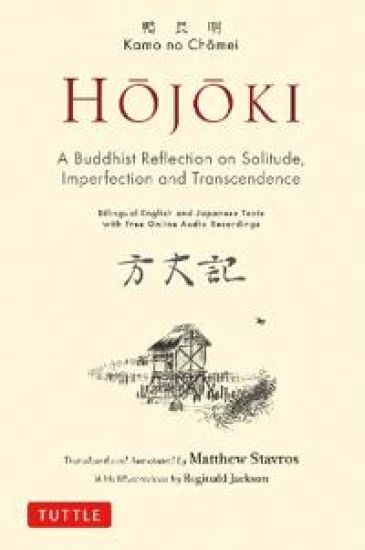
Hojoki: A Buddhist Reflection on Solitude

Hojoki: A Buddhist Reflection on Solitude

Kamo no Chomei

TUTTLE PUBLISHING
2024
sidottu
Discover the tranquil wisdom of Chomei's 13th-century masterpiece, Hojoki, as it unveils the beauty of imperfection and the serenity of a simple life amidst the chaos of existence.Hojoki is an introspective poem written in the 13th century by the enigmatic Japanese hermit Kamo no Chomei, who as a young man served in the capital as official court poet but later in life withdrew from society.Composed in a time of devastating fires, floods, earthquakes, droughts and famines, Chomei's masterpiece reflects on the impermanence of things, expressing life's mysterious beauty and the profound wisdom to be found in nature.Chomei paints a vivid picture of the chaos and suffering of the human condition. Amidst this turmoil, he discovers an oasis of calm in a simple mountain hut, where he contemplates the virtues of nature and the wabi sabi beauty of imperfection in all things.In their friends,People like to find affluence and a ready smile.Compassion and honesty,Not so much.So why not make friends with music and nature instead:The moon; the flowers?********I know my needs,And I know the world.I want for nothing,And do not labor to acquire things.Quietude is all I desire:To be free from worry is happiness enough.This new translation by Matthew Stavros, presented alongside the original Classical Japanese, perfectly captures the profound serenity of Chomei's writings. His poignant verses serve as timely reminders that amidst the uncertainty of this world, true contentment can often be found in the simple life, in embracing fleeting moments, and in seeking solace in nature's beauty.
Three Japanese Buddhist Monks

Three Japanese Buddhist Monks

Saigyo; Kamo no Chomei; Yoshida Kenko

Penguin Classics
2020
nidottu
'I have relinquished all that ties me to the world, but the one thing that still haunts me is the beauty of the sky'These simple, inspiring writings by three medieval Buddhist monks offer peace and wisdom amid the world's uncertainties, and are an invitation to relinquish earthly desires and instead taste life in the moment.One of twenty new books in the bestselling Penguin Great Ideas series. This new selection showcases a diverse list of thinkers who have helped shape our world today, from anarchists to stoics, feminists to prophets, satirists to Zen Buddhists.
Narrow Road to the Interior & Hojoki

Narrow Road to the Interior & Hojoki

Matsuo Bashō; Kamo No Chōmei

Naxos
2020
mp3 cd-levyllä
Japanese poetry is known for its clarity and concision, and Narrow Road to the Interior and Hōjōki are two of the best loved and most intensely Japanese works of their kind; famous for their beautiful, delicate verse and subtle insight into the human condition.It has been said of Narrow Road that it was as if the very soul of Japan had itself written it. The poem takes the form of a travel diary and traces the poet's journey from Edo (modern day Tokyo) to the northern interior of the country.Hōjōki, a much earlier work written by Kamo no Chōmei, a Buddhist hermit, is essentially a meditation on the transience of the world. Read by the famous classical Japanese actor Togo Igawa, the full beauty of its ancient cadences and rhythms is drawn forth.
Hojoki

Hojoki

Kamo no Chomei

Stone Bridge Press
1998
pokkari
Japan's capital city of Kyoto was devastated by earthquake, storm, and fire in the late 12th century. Retreating from "this unkind world," the poet and Buddhist priest Kamo-no-Chomei left the capital for the forested mountains, where he eventually constructed his famous "ten-foot-square" hut. From this solitary vantage point Chomei produced Hojoki, an extraordinary literary work that describes all he has seen of human misery and his new life of simple chores, walks, and acts of kindness. Yet at the end he questions his own sanity and the integrity of his purpose. Has he perhaps grown too attached to his detachment?