Kirjojen hintavertailu. Mukana 12 390 323 kirjaa ja 12 kauppaa.

Kirjailija

Karen Cliff

Kirjat ja teokset yhdessä paikassa: 5 kirjaa, julkaisuja vuosilta 2000-2018, suosituimpien joukossa Trafford Park. Vertaile teosten hintoja ja tarkista saatavuus suomalaisista kirjakaupoista.

5 kirjaa

Kirjojen julkaisuhaarukka 2000-2018.

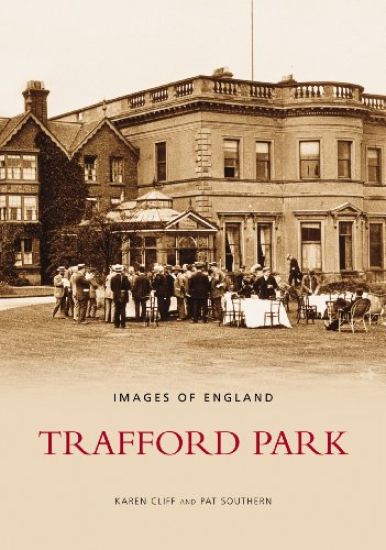
Trafford Park

Trafford Park

Karen Cliff; Pat Southern

NPI Media Group
2003
nidottu
This book is part of the Images of England series, which uses old photographs and archived images to show the history of various local areas in England, through their streets, shops, pubs, and people.
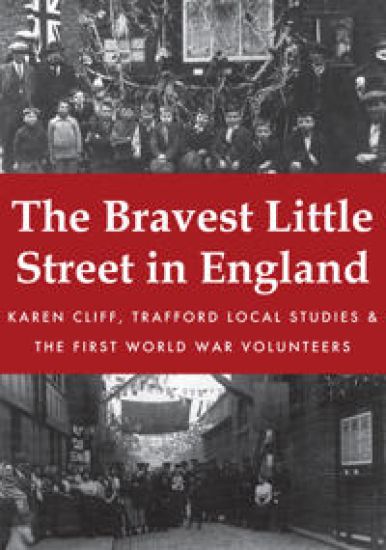
The Bravest Little Street in England

The Bravest Little Street in England

Karen Cliff

Amberley Publishing
2018
nidottu
From a modest street in Altrincham of not more than sixty-one houses, at least 158 men enlisted and fought in the First World War. The bravery and in some cases sacrifices of these men was recognised by King George V, who congratulated the street on its ‘patriotism and fighting spirit so prominently displayed’. Chapel Street had a strong military tradition dating back much further than 1914. Men who had fought in the Anglo-Boer War returned to the forces and they were joined by their sons, brothers and nephews. The stories of these men offer a poignant insight into a myriad of wartime experiences. There were Distinguished Conduct Medals for bravery, desertions, loss of loved ones, a wartime romance and, in one memorable incident, even the rescue of a future Prime Minister. In 1919 a Roll of Honour was erected on the street, listing all the men who went to war, with a central panel to commemorate those who never returned. Trafford Local Studies used this list as a starting point from which to explore the biographies of the men from birth until death. In addition, the book looks at the highs and lows of their family lives, and in some cases, the struggles to keep their families together. On a lighter note, there is a look at the street’s social scene and the Rose and Shamrock public house, where many an evening was spent drinking and socialising, ending with the occasional falling-out. As part of the First World War commemoration, and following four years of research by Trafford Local Studies staff and a group of volunteers, this book tells the fascinating story of this remarkable little street, ‘the bravest little street in England’.
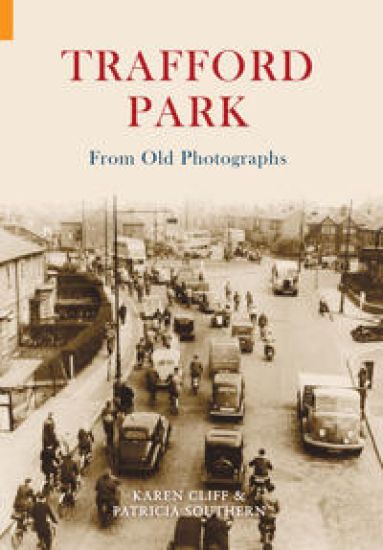
Trafford Park From Old Photographs

Trafford Park From Old Photographs

Patricia Southern; Karen Cliff

Amberley Publishing
2008
nidottu
This is the story of Trafford Park in vintage photographs, once the largest industrialised area in Britain and the workshop of Greater Manchester. The industrial zone known as Trafford Park, between the Manchester Ship Canal and the Bridgewater Canal, began life as an extensive area of parkland surrounding the stately home of the de Trafford family. Finding themselves completely hemmed in by waterways after the establishment of the Manchester Ship Canal, the de Traffords vacated the land, opening up the whole area for industrial development. Gradually the whole area was covered with factories and the ancillary roads and railway lines, as the advantages of the transport links impressed themselves on developers and businessmen.Trafford Park became the largest industrialised area in Great Britain, drawing in a labour force from all over the country. Housing was built in the Park itself to meet the accommodation needs of the incoming workers and their families, and the expansion of nearby towns like Stretford owed much to the proximity of factories and jobs. After a decline in the late sixties and early seventies, Trafford Park is once again a vast centre of industry and business. Ask anyone in the Greater Manchester area about Trafford Park, and they will either have worked there themselves, or know someone who did. It features a wonderful selection of over 200 vintage photographs. It is written by two expert local historians.
Sale and Sale Moor: Pocket Images

Sale and Sale Moor: Pocket Images

Jan Shearsmith; Karen Cliff; Vicki Masterson; Pat Southern

Nonsuch Publishing
2006
nidottu
The area of Sale and Sale Moor, which in the early nineteenth century comprised mainly farmland and small villages, is today a heavily populated part of the Greater Manchester conurbation. This fascinating history traces the rapid development of the area in words and pictures, documenting the suburban growth and the creation of transport networks that accompanied Manchester's population boom in the latter part of the nineteenth century.Over 200 photographs and illustrations taken from the collection at Trafford Local Studies Centre show how life has changed for these communities over the years, and will no doubt provoke nostalgia in older residents of Sale, as well as providing a valuable historical record of the period covered. A chapter on private lives and public celebrations introduces us to the famous and not-so-famous people that have inhabited Sale over the years, from the renowned physcican James Prescott Joule to Hannah Beswick, a local woman who was so afraid of being buried alive that she was not buried for 100 years after her death!Elsewhere, many fine views of local landmarks - some that still remain, some that are long gone - ensure that this compilation will delight all those who know Sale and Sale Moor.
Urmston, Flixton And Davyhulme

Urmston, Flixton And Davyhulme

Karen Cliff; Vicki Masterson

NPI Media Group
2000
nidottu
This fascinating collection of almost 200 photographs explores the areas of Urmston, Flixton and Davyhulme. One rural, isolated farming settlements, the growth and expansion of these areas has largest been the result of two daring schemes, the Bridgwater Canal in the eighteenth century and the Manchester Ship canal at the end of the nineteenth century. These industrial developments were instrumental in shaping the area as a whole and affecting people’s daily lives.The reader is taken on a tour of the area and chapters are included on schools, churches, working life and wartime experiences. Leisure and entertainment is also examined such as the once popular local festival, the Flixton Wakes.Each image is accompanied by supporting text providing a wealth of local colour and historical detail. Using photographs from the collection in the Trafford Local Studies Centre, these evocative images will provide older residents of the area with a nostalgic look at the recent past and brig newcomers an opportunity to look at how things used to be.