

Kirjailija
Kate Smith
Kirjat ja teokset yhdessä paikassa: 32 kirjaa, julkaisuja vuosilta 2006-2026, suosituimpien joukossa Make Trauma Your B*tch. Vertaile teosten hintoja ja tarkista saatavuus suomalaisista kirjakaupoista.
32 kirjaa
Kirjojen julkaisuhaarukka 2006-2026.
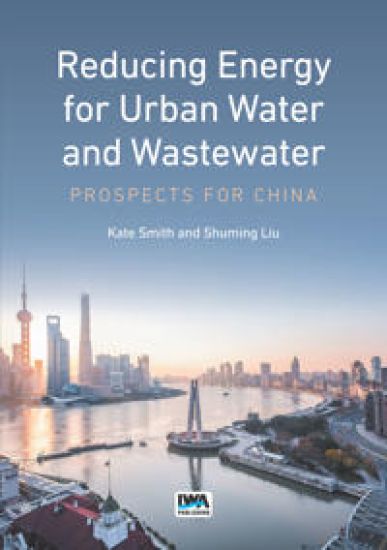
Cities use large amounts of costly energy to supply water and treat wastewater, especially in China, one of the world’s largest providers of urban water and sanitation services. Reducing Energy for Urban Water and Wastewater shows how cities can reduce energy use, cut costs and curb greenhouse gas emissions. First, it guides the reader through water supply and wastewater treatment, explaining how energy is used at each step. Then the authors: • Outline the most effective ideas for reducing energy use in cities, using China as a case study. • Provide a decision-making framework to help cities focus their efforts. • Investigate an often-overlooked high energy user in dense cities and suggest a way to cut energy. • Assess the unintended downside of stricter wastewater standards and how to optimise the upside. • Provide suggestions for increasing water and energy recovery in water-scarce cities. The focus throughout is China, the biggest greenhouse gas emitter in the world.


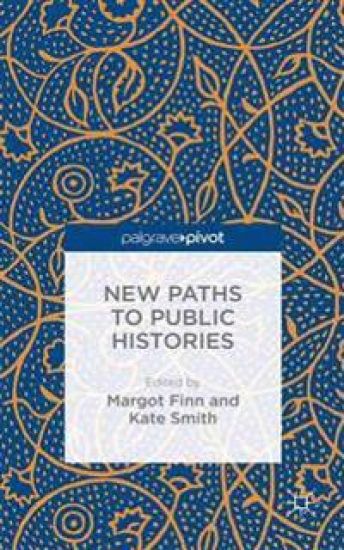
New Paths to Public Histories challenges readers to consider historical research as a collaborative pursuit enacted across a range of individuals from different backgrounds and institutions. It argues that research communities can benefit from recognizing and strengthening the ways in which they work with others.

Meet Frank. His goal in life is to make humans smile. And that's exactly what he and his wise-cracking friends do in this guide to living the good life - of a dog! From the creator of the popular greeting card line From Frank, this playful book offers advice for dogs, by dogs. Collage-style photographs accompany hilarious insights into the weird and wonderful relationship that pets share with their owners. Any dog who follows Frank's advice is in for some extra belly rubs, guaranteed.
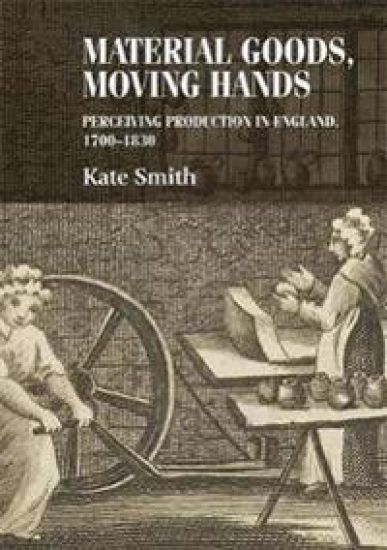
In eighteenth-century Britain, greater numbers of people entered the marketplace and bought objects in ever-greater quantities. As consumers rather than producers, how did their understandings of manufacturing processes and the material world change? Material goods and moving hands combines material culture and visual culture approaches to explore the different ways in which manufacturers and retailers presented production to consumers during the eighteenth century. It shows how new relationships with production processes encouraged consumers, retailers, designers, manufacturers and workers to develop conflicting understandings of production. Objects then were not just markers of fashion and taste, they acted as important conduits through which people living in Georgian Britain could examine and discuss their material world and the processes and knowledge that rendered it.

How to Bake by the Ration Book: Swans Down Wartime Recipes, Cakes, Quick Breads, Desserts
Kate Smith
Literary Licensing, LLC
2012
nidottu
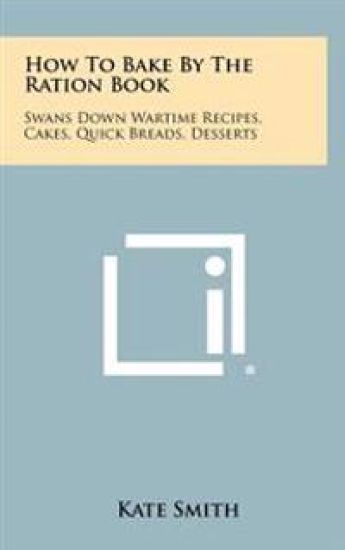
How to Bake by the Ration Book: Swans Down Wartime Recipes, Cakes, Quick Breads, Desserts
Kate Smith
Literary Licensing, LLC
2012
sidottu
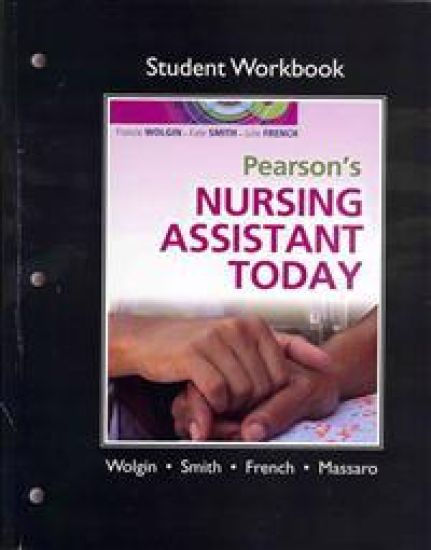
Student Workbook for Pearson's Nursing Assistant Today
Francie Wolgin; Kate Smith; Julie French
Pearson
2012
nidottu
Student supplement associated with: Pearson's Nursing Assistant Today, 1/e Francie Wolgin Kate Smith Julie French ISBN: 0135064422

Guides Guards and Gifts to the Gods: Domesticated Dogs in the Art and Archaeology of Iron Age and Roman Britain
Kate Smith
BAR Publishing
2006
nidottu
This study investigates the symbolic role of the domestic dog in Iron Age and Roman Britain through contextual analysis of their faunal remains and interpretation of their representations in iconography. Previous studies have highlighted linkages between the species and ideas about death, healing and regeneration. Although these connections clearly did exist in the cosmologies of Britain and the Western provinces of Rome, this detailed examination of the evidence seeks to identify reasons why this might have been so. The work also highlights previously unnoticed patterns in the dataset that might add a further dimension to our understanding of how the domestic dog was perceived at a symbolic level. It has been established for some time that dogs appear in statistically significant numbers, compared to other species, in the special animal deposits that are a feature of certain Iron Age pits. Dramatic evidence for ritual practice involving animals found at a Romano-British temple complex in Springhead, Kent, and comparable finds from both sacred and secular sites, suggest that domestic dogs were also a favoured sacrifice during this period. As well as analysing such archaeological evidence, this study draws on anthropological, psychological and historical writings about human relationships with the domestic dog in an attempt to forward our understanding of religious expression during antiquity.