Kirjojen hintavertailu. Mukana 12 585 122 kirjaa ja 12 kauppaa.

Kirjailija

Kate Swaffer

Kirjat ja teokset yhdessä paikassa: 4 kirjaa, julkaisuja vuosilta 2015-2020, suosituimpien joukossa Living Better with Dementia. Vertaile teosten hintoja ja tarkista saatavuus suomalaisista kirjakaupoista.

4 kirjaa

Kirjojen julkaisuhaarukka 2015-2020.

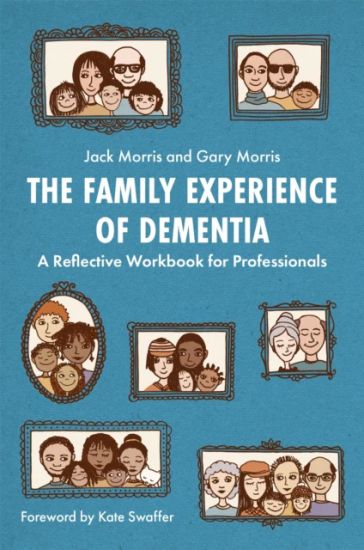
The Family Experience of Dementia

The Family Experience of Dementia

Gary Morris; Jack Morris; Kate Swaffer

Jessica Kingsley Publishers
2020
pokkari
Dementia not only affects the person presented with the diagnosis, but their family and friends too. This book provides practitioners with strategies to support the whole family and understand their dementia journey both pre- and post-diagnosis. This is facilitated through a series of activities and reflective prompts. There is also a dedicated chapter offering structured exercises for health and social care practitioners and students. The book introduces the Lawrence family, where Peter has been diagnosed with dementia, and provides perspectives from each family member, allowing practitioners to become acquainted with the lived experience of everyone involved. The reflective questions allow readers to become actively engaged to maximise their knowledge and understanding, and to better contextualize what the dementia experience feels like for family and friends. With its focus on the all-important lived experience of the whole family during the diagnostic process and beyond, this is essential reading for any practitioner working with people with dementia.
What the hell happened to my brain?

What the hell happened to my brain?

Kate Swaffer; Dr Shibley Rahman; Glenn Rees; Richard Taylor

Jessica Kingsley Publishers
2016
pokkari
Kate Swaffer was just 49 years old when she was diagnosed with a form of younger onset dementia. In this book, she offers an all-too-rare first-hand insight into that experience, sounding a clarion call for change in how we ensure a better quality of life for people with dementia. Kate describes vividly her experiences of living with dementia, exploring the effects of memory difficulties, loss of independence, leaving long-term employment, the impact on her teenage sons, and the enormous impact of the dementia diagnosis on her sense of self. Never shying away from difficult issues, she tackles head-on stigma, inadequacies in care and support, and the media's role in perpetuating myths about dementia, suggesting ways in which we can include and empower people with the diagnosis. She also reflects on the ways in which her writing and dementia advocacy work have taken her on a process of self-discovery and enabled her to develop a new and meaningful personal identity. Kate's powerful words will challenge misconceptions about dementia, and open our eyes to new ways of supporting people with the diagnosis. A must read for people with dementia and their families as well as for professionals and carers.
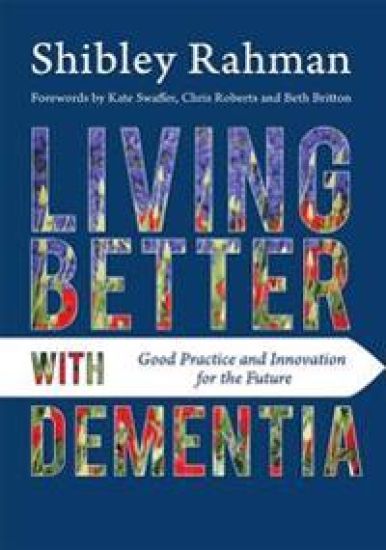
Living Better with Dementia

Living Better with Dementia

Shibley Rahman; Kate Swaffer; Chris Roberts; Beth Britton

Jessica Kingsley Publishers
2015
pokkari
What do national dementia strategies, constantly evolving policy and ongoing funding difficulties mean for people living well with dementia? Adopting a broad and inclusive approach, Shibley Rahman presents a thorough critical analysis of existing dementia policy, and tackles head-on current and controversial topics at the forefront of public and political debate, such as diagnosis in primary care, access to services for marginalised groups, stigma and discrimination, integrated care, personal health budgets, personalised medicine and the use of GPS tracking. Drawing on a wealth of diverse research, and including voices from all reaches of the globe, he identifies current policy challenges for living well with dementia, and highlights pockets of innovation and good practice to inform practical solutions for living better with dementia in the future. A unique and cohesive account of where dementia care practice and policy needs to head, and why, and how this can be achieved, this is crucial reading for dementia care professionals, service commissioners, public health officials and policy makers, as well as academics and students in these fields.