Kirjojen hintavertailu. Mukana 12 595 353 kirjaa ja 12 kauppaa.

Kirjailija

Katheryn Russell-Brown

Kirjat ja teokset yhdessä paikassa: 14 kirjaa, julkaisuja vuosilta 2004-2024, suosituimpien joukossa Protecting Our Own. Vertaile teosten hintoja ja tarkista saatavuus suomalaisista kirjakaupoista.

14 kirjaa

Kirjojen julkaisuhaarukka 2004-2024.

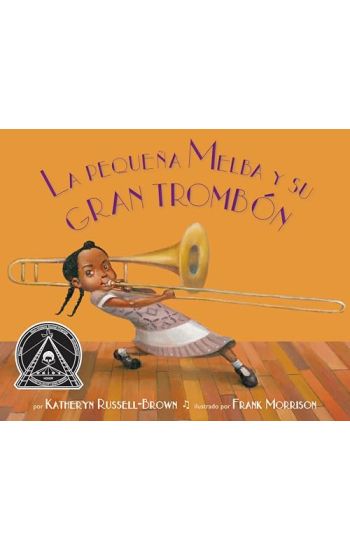
La Pequeña Melba Y Su Gran Trombón: (Little Melba and Her Big Trombone)
Coretta Scott King Illustrator Award Honor - American Library Association (ALA) NAACP Image Awards Nominee - National Association for the Advancement of Colored People (NAACP)Galardonada con el premio Coretta Scott King Illustrator Honor Award, una biograf a de la virtuosa del jazz afroamericana Melba Doretta Liston, una trombonista, compositora y arreglista musical pionera del siglo XX en una poca en la que pocas mujeres tocaban instrumentos y formaban parte de la escena del jazz. Recipient of the Coretta Scott King Illustrator Honor award, a biography of African American jazz virtuoso Melba Doretta Liston, a pioneering twentieth-century trombone player, composer, and music arranger at a time when few women played brass instruments and were part of the jazz scene.A los siete a os, Melba Doretta Liston se enamor de un tromb n grande y brillante, y pronto aprendi a tocar el instrumento. Cuando era una adolescente, el extraordinario don de Melba para la m sica la llev al mundo del jazz. Se uni a una banda dirigida por el trompetista Gerald Wilson y recorri el pa s. Superando obst culos de raza y g nero, Melba se convirti en una famosa trombonista y arreglista, transformando ritmos, armon as y melod as en magn ficas canciones para todos los grandes del jazz del siglo XX: Randy Weston, Duke Ellington, Count Basie, Billie Holiday y Quincy Jones, por nombrar solo algunos. Rebosante de entusiasmo y la alegr a de hacer m sica, La peque a Melba y su gran tromb n es un maravilloso tributo a un m sico pionero y un gran h roe an nimo del jazz. At age seven, Melba Doretta Liston fell in love with a big, shiny trombone, and soon taught herself to play the instrument. By the time she was a teenager, Melba's extraordinary gift for music led her to the world of jazz. She joined a band led by trumpet player Gerald Wilson and toured the country. Overcoming obstacles of race and gender, Melba went on to become a famed trombone player and arranger, spinning rhythms, harmonies, and melodies into gorgeous songs for all the jazz greats of the twentieth century: Randy Weston, Duke Ellington, Count Basie, Billie Holiday, and Quincy Jones, to name just a few. Brimming with ebullience and the joy of making music, Little Melba and Her Big Trombone is a fitting tribute to a trailblazing musician and a great unsung hero of jazz.
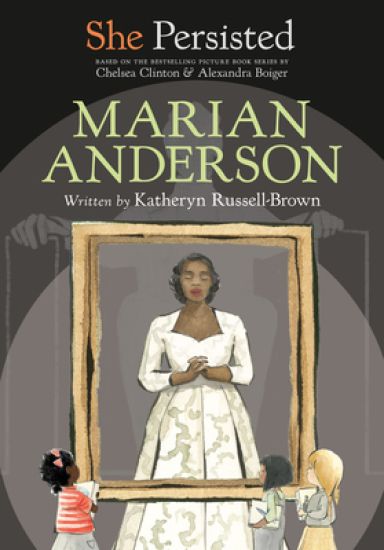
She Persisted: Marian Anderson

She Persisted: Marian Anderson

Katheryn Russell-Brown; Chelsea Clinton

Penguin Putnam Inc
2022
pokkari
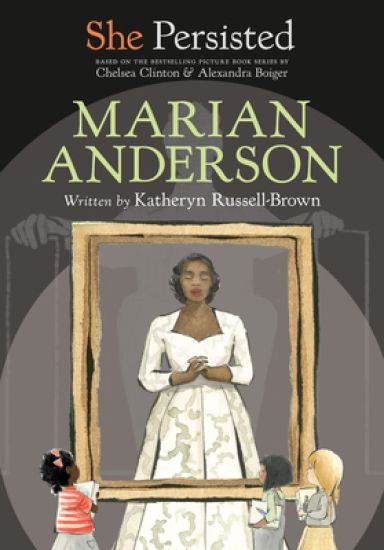
Inspired by the #1 New York Times bestseller She Persisted by Chelsea Clinton and Alexandra Boiger, a chapter book series about women who spoke up and rose up against the odds--including Marian Anderson!When renowned classical singer Marian Anderson wasn't allowed to sing at a theater in Washington, DC, because she was Black, First Lady Eleanor Roosevelt invited her to sing at the Lincoln Memorial, at a concert attended by thousands of people. Marian went on to sing around the world on behalf of the UN and the US State Department, and as a part of the Civil Rights Movement, she also performed at the March on Washington. She went on to win many awards, including the first ever Presidential Medal of Freedom and a Grammy Lifetime Achievement Award--and she inspired countless people along the way.In this chapter book biography by award-winning author Katheryn Russell-Brown, readers learn about the amazing life of Marian Anderson--and how she persisted. Complete with an introduction from Chelsea Clinton, black-and-white illustrations throughout, and a list of ways that readers can follow in Marian Anderson's footsteps and make a difference! A perfect choice for kids who love learning and teachers who want to bring inspiring women into their curriculum. And don’t miss out on the rest of the books in the She Persisted series, featuring so many more women who persisted, including Coretta Scott King, Harriet Tubman, Ruby Bridges, and more!
She Persisted: Marian Anderson

She Persisted: Marian Anderson

Katheryn Russell-Brown; Chelsea Clinton

Philomel Books
2022
sidottu
Inspired by the #1 New York Times bestseller She Persisted by Chelsea Clinton and Alexandra Boiger, a chapter book series about women who spoke up and rose up against the odds--including Marian Anderson When renowned classical singer Marian Anderson wasn't allowed to sing at a theater in Washington, DC, because she was Black, First Lady Eleanor Roosevelt invited her to sing at the Lincoln Memorial, at a concert attended by thousands of people. Marian went on to sing around the world on behalf of the UN and the US State Department, and as a part of the Civil Rights Movement, she also performed at the March on Washington. She went on to win many awards, including the first ever Presidential Medal of Freedom and a Grammy Lifetime Achievement Award--and she inspired countless people along the way. In this chapter book biography by award-winning author Katheryn Russell-Brown, readers learn about the amazing life of Marian Anderson--and how she persisted. Complete with an introduction from Chelsea Clinton, black-and-white illustrations throughout, and a list of ways that readers can follow in Marian Anderson's footsteps and make a difference A perfect choice for kids who love learning and teachers who want to bring inspiring women into their curriculum. And don't miss out on the rest of the books in the She Persisted series, featuring so many more women who persisted, including Coretta Scott King, Harriet Tubman, Ruby Bridges, and more
The Color of Crime, Third Edition

The Color of Crime, Third Edition

Katheryn Russell-Brown

New York University Press
2021
pokkari
How we can understand race, crime, and punishment in the age of Black Lives Matter When The Color of Crime was first published in 1998, it was heralded as a path-breaking book on race and crime. Now, in its third edition, Katheryn Russell-Brown's book is more relevant than ever, as police killings of unarmed Black civilians—such as George Floyd, Breonna Taylor, and Daniel Prude—continue to make headlines around the world. She continues to ask, why do Black and white Americans perceive police actions so differently? Is white fear of Black crime justified? With three new chapters, over forty new racial hoax cases, and other timely updates, this edition offers an even more expansive view of crime and punishment in the twenty-first century. Russell-Brown gives us much-needed insight into some of the most recent racial hoaxes, such as the one perpetrated by Amy Cooper. Should perpetrators of racial hoaxes be charged with a felony? Further, Russell-Brown makes a compelling case for race and crime literacy and the need to address and name White crime. Russell-Brown powerfully concludes the book with a parable that invites readers to imagine what would happen if Blacks decided to abandon the United States. Russell-Brown explores the tacit and subtle ways that crime is systematically linked to people of color. The Color of Crime is a lucid and forceful volume that calls for continued vigilance on the part of scholars, policymakers, journalists, and others in the age of Black Lives Matter.
The Color of Crime, Third Edition

The Color of Crime, Third Edition

Katheryn Russell-Brown

New York University Press
2021
sidottu
How we can understand race, crime, and punishment in the age of Black Lives Matter When The Color of Crime was first published in 1998, it was heralded as a path-breaking book on race and crime. Now, in its third edition, Katheryn Russell-Brown's book is more relevant than ever, as police killings of unarmed Black civilians—such as George Floyd, Breonna Taylor, and Daniel Prude—continue to make headlines around the world. She continues to ask, why do Black and white Americans perceive police actions so differently? Is white fear of Black crime justified? With three new chapters, over forty new racial hoax cases, and other timely updates, this edition offers an even more expansive view of crime and punishment in the twenty-first century. Russell-Brown gives us much-needed insight into some of the most recent racial hoaxes, such as the one perpetrated by Amy Cooper. Should perpetrators of racial hoaxes be charged with a felony? Further, Russell-Brown makes a compelling case for race and crime literacy and the need to address and name White crime. Russell-Brown powerfully concludes the book with a parable that invites readers to imagine what would happen if Blacks decided to abandon the United States. Russell-Brown explores the tacit and subtle ways that crime is systematically linked to people of color. The Color of Crime is a lucid and forceful volume that calls for continued vigilance on the part of scholars, policymakers, journalists, and others in the age of Black Lives Matter.
A Voice Named Aretha

A Voice Named Aretha

Katheryn Russell-Brown

BLOOMSBURY PUBLISHING PLC
2020
sidottu
From acclaimed author and illustrator pairing comes a beautiful picture book biography about the Queen of Soul Aretha Franklin and how she fought for respect throughout her life. Aretha Franklin is the Queen of Soul, a legend. But before she became a star, she was a shy little girl with a voice so powerful it made people jump up, sway, and hum along. Raised in a house full of talking and singing, Aretha learned the values that would carry her through life--from her church choir in Detroit to stages across the world. When she moved to New York City to start her career, it took years of hard work before she had a hit song. In the turbulent 1960s, she sang about Respect and refused to perform before segregated audiences. The first woman inducted into the Rock & Roll Hall of Fame, Aretha always remembered who she was and where she came from. In this stirring biography of a true artistic and social icon, award-winning creators Katheryn Russell-Brown and Laura Freeman show young readers how Aretha's talent, intelligence, and perseverance made her a star who will shine on for generations to come. Acclaim for Little Melba and Her Big Trombone2015 NAACP Image Award Nominee Outstanding Literary Work--Children 2015 Coretta Scott King Illustrator Award Honor2015 ALA Notable Children's Book2015 Amelia Bloomer Project - Feminist Task Force2015 Orbis Pictus Award for Outstanding Nonfiction, Recommended Title
Little Melba and Her Big Trombone

Little Melba and Her Big Trombone

Katheryn Russell-Brown

Lee Low Books
2014
sidottu
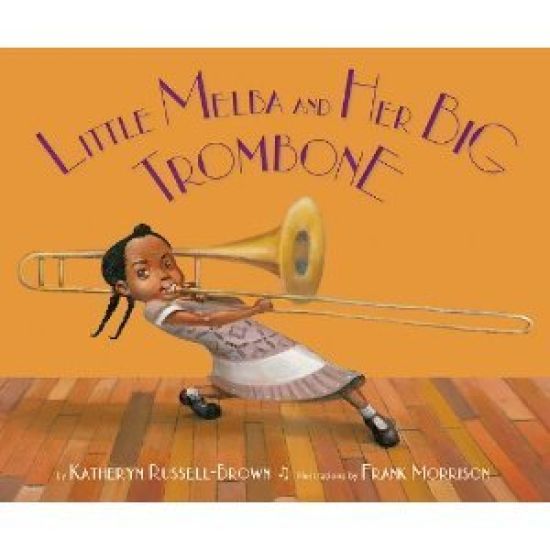
Coretta Scott King Illustrator Award Honor - American Library Association (ALA) NAACP Image Awards Nominee - National Association for the Advancement of Colored People (NAACP)A biography of African American jazz virtuoso Melba Doretta Liston, a pioneering twentieth-century trombone player, composer, and music arranger at a time when few women, of any race, played brass instruments and were part of the jazz scene.Melba Doretta Liston loved the sounds of music from as far back as she could remember. As a child, she daydreamed about beats and lyrics, and hummed along with the music from her family's Majestic radio.At age seven, Melba fell in love with a big, shiny trombone, and soon taught herself to play the instrument. By the time she was a teenager, Melba's extraordinary gift for music led her to the world of jazz. She joined a band led by trumpet player Gerald Wilson and toured the country. Overcoming obstacles of race and gender, Melba went on to become a famed trombone player and arranger, spinning rhythms, harmonies, and melodies into gorgeous songs for all the jazz greats of the twentieth century: Randy Weston, Duke Ellington, Count Basie, Billie Holiday, and Quincy Jones, to name just a few.Brimming with ebullience and the joy of making music, Little Melba and Her Big Trombone is a fitting tribute to a trailblazing musician and a great unsung hero of jazz.
The Color of Crime (Second Edition)

The Color of Crime (Second Edition)

Katheryn Russell-Brown

New York University Press
2008
pokkari
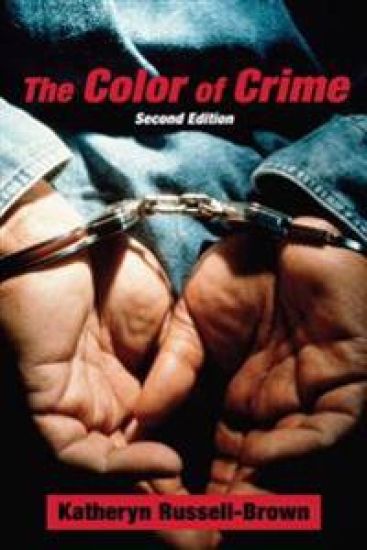
A lucid and forceful volume that explores the tacit and subtle ways the American justice system links deviance to people of color When The Color of Crime was first published ten years ago, it was heralded as a path-breaking book on race and crime. Now, in its tenth anniversary year, Katheryn Russell-Brown’s book is more relevant than ever. The Jena Six, Duke Lacrosse Team, Amadou Diallo, Sean Bell, James Byrd, and all of those victimized in the aftermath of Hurricane Katrina are just a few of the racially fueled cases that have made headlines in the past decade. Russell-Brown continues to ask, why do Black and White Americans perceive police actions so differently? Is White fear of Black crime justified? Do African Americans really protect their own? Should they? And why are we still talking about O.J.? Russell-Brown surveys the landscape of American crime and identifies some of the country’s most significant racial pathologies. In this new edition, each chapter is updated and revised, and two new chapters have been added. Enriched with twenty-five new cases, the explosive and troublesome chapter on “Racial Hoaxes” demonstrates that “playing the race card” is still a popular ploy. The Color of Crime is a lucid and forceful volume that calls for continued vigilance on the part of journalists, scholars, and policymakers alike. Through her innovative analysis of cases, ideological and media trends, issues, and practices that resonate below the public radar even in the new century, Russell-Brown explores the tacit and subtle ways that deviance is systematically linked to people of color. Her findings are impossible to ignore.
The Color of Crime (Second Edition)

The Color of Crime (Second Edition)

Katheryn Russell-Brown

New York University Press
2008
sidottu
A lucid and forceful volume that explores the tacit and subtle ways the American justice system links deviance to people of color When The Color of Crime was first published ten years ago, it was heralded as a path-breaking book on race and crime. Now, in its tenth anniversary year, Katheryn Russell-Brown’s book is more relevant than ever. The Jena Six, Duke Lacrosse Team, Amadou Diallo, Sean Bell, James Byrd, and all of those victimized in the aftermath of Hurricane Katrina are just a few of the racially fueled cases that have made headlines in the past decade. Russell-Brown continues to ask, why do Black and White Americans perceive police actions so differently? Is White fear of Black crime justified? Do African Americans really protect their own? Should they? And why are we still talking about O.J.? Russell-Brown surveys the landscape of American crime and identifies some of the country’s most significant racial pathologies. In this new edition, each chapter is updated and revised, and two new chapters have been added. Enriched with twenty-five new cases, the explosive and troublesome chapter on “Racial Hoaxes” demonstrates that “playing the race card” is still a popular ploy. The Color of Crime is a lucid and forceful volume that calls for continued vigilance on the part of journalists, scholars, and policymakers alike. Through her innovative analysis of cases, ideological and media trends, issues, and practices that resonate below the public radar even in the new century, Russell-Brown explores the tacit and subtle ways that deviance is systematically linked to people of color. Her findings are impossible to ignore.
Protecting Our Own

Protecting Our Own

Katheryn Russell-Brown

Rowman Littlefield Publishers
2006
sidottu
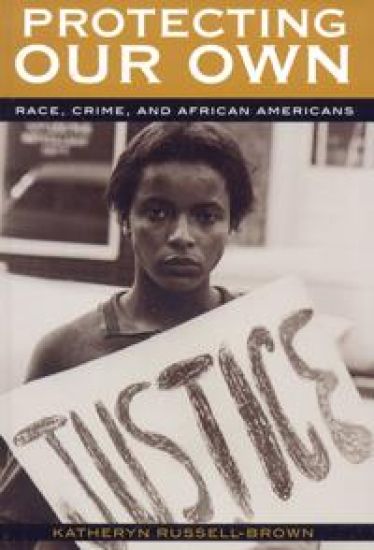
Inspired by the O.J. Simpson case, Protecting Our Own explores the reasons behind the rise of the "black protectionism" phenomenon and its implications for the future. Comparing the plight of the African American community to the melancholy lyrics but vibrant beat of the blues, Russell-Brown uses the lyrics of these songs to paint a vivid picture of the African American community struggling through the burdens of racial oppression such as second tier status and lynchings solely due to the color of their skins. Russell-Brown explains the feelings of protectionism towards African American celebrities, as many African Americans feel that they have to "protect their own" because no one else will. Many African Americans, Russell-Brown argues, feel that African American are still under siege and that the few lucky African Americans who find a way into the spotlight deserve a break. However, with more and more African Americans in the spotlight, this practice has new consequences. Protecting Our Own considers these issues in detail. The book sets out to accomplish three goals: to define Black protectionism, to explain how it works and how it can be reformulated to work in the best interests of the African American community. The book uses cases such as the infamous O.J. Simpson case to illustrate and explain the motivations behind black protectionism, even if the defendant is accused of grievous moral and ethical wrongdoing. Russell-Brown criticizes the use of black protectionism as a knee jerk reaction and expresses the need to hold African American celebrities accountable for their misdeeds. She suggests a selective approach to black protectionism that will benefit the African American community at large rather than just a lucky few. This book praises black protectionism at its best—a fight that will ensure racial justice in the future.
Protecting Our Own

Protecting Our Own

Katheryn Russell-Brown

Rowman Littlefield Publishers
2006
nidottu
Inspired by the O.J. Simpson case, Protecting Our Own explores the reasons behind the rise of the 'black protectionism' phenomenon and its implications for the future. Comparing the plight of the African American community to the melancholy lyrics but vibrant beat of the blues, Russell-Brown uses the lyrics of these songs to paint a vivid picture of the African American community struggling through the burdens of racial oppression such as second tier status and lynchings solely due to the color of their skins. Russell-Brown explains the feelings of protectionism towards African American celebrities, as many African Americans feel that they have to 'protect their own' because no one else will. Many African Americans, Russell-Brown argues, feel that African American are still under siege and that the few lucky African Americans who find a way into the spotlight deserve a break. However, with more and more African Americans in the spotlight, this practice has new consequences. Protecting Our Own considers these issues in detail. The book sets out to accomplish three goals: to define Black protectionism, to explain how it works and how it can be reformulated to work in the best interests of the African American community. The book uses cases such as the infamous O.J. Simpson case to illustrate and explain the motivations behind black protectionism, even if the defendant is accused of grievous moral and ethical wrongdoing. Russell-Brown criticizes the use of black protectionism as a knee jerk reaction and expresses the need to hold African American celebrities accountable for their misdeeds. She suggests a selective approach to black protectionism that will benefit the African American community at large rather than just a lucky few. This book praises black protectionism at its best—a fight that will ensure racial justice in the future.
Underground Codes

Underground Codes

Katheryn Russell-Brown

New York University Press
2004
pokkari
Winner of a 2005 Gustavus Myers Outstanding Book Award (Honorable Mention Americans fear crime, are rattled by race and avoid honest discussions of both. Anxiety, denial, miscommunication, and ignorance abound. Imaginary connections between minorities and crime become real, self-fulfilling prophecies and authentic links to race, class, gender and crime go unexplored. Katheryn Russell-Brown, author of the highly acclaimed The Color of Crime, makes her way through this intellectual minefield, determined to shed light on the most persistent and perplexing domestic policy issues. The author tackles a range of race and crime issues. From outdated research methods that perpetuate stereotypes about African Americans, women, and crime to the over hyped discourse about gangsta rap and law breaking, Russell-Brown challenges the conventional wisdom of criminology. Underground Codes delves into understudied topics such as victimization rates for Native Americans?among the highest of any racial group?and how racial profiling affects the day-to-day lives of people of color. Innovative, well-researched and meticulously documented, Underground Codes makes a case for greater public involvement in the debate over law enforcement?and our own language?that must be heard if we are to begin to have a productive national conversation about crime and race.
Underground Codes

Underground Codes

Katheryn Russell-Brown

New York University Press
2004
sidottu
Winner of a 2005 Gustavus Myers Outstanding Book Award (Honorable Mention Americans fear crime, are rattled by race and avoid honest discussions of both. Anxiety, denial, miscommunication, and ignorance abound. Imaginary connections between minorities and crime become real, self-fulfilling prophecies and authentic links to race, class, gender and crime go unexplored. Katheryn Russell-Brown, author of the highly acclaimed The Color of Crime, makes her way through this intellectual minefield, determined to shed light on the most persistent and perplexing domestic policy issues. The author tackles a range of race and crime issues. From outdated research methods that perpetuate stereotypes about African Americans, women, and crime to the over hyped discourse about gangsta rap and law breaking, Russell-Brown challenges the conventional wisdom of criminology. Underground Codes delves into understudied topics such as victimization rates for Native Americans?among the highest of any racial group?and how racial profiling affects the day-to-day lives of people of color. Innovative, well-researched and meticulously documented, Underground Codes makes a case for greater public involvement in the debate over law enforcement?and our own language?that must be heard if we are to begin to have a productive national conversation about crime and race.