Kirjojen hintavertailu. Mukana 12 562 976 kirjaa ja 12 kauppaa.

Kirjailija

Kathleen Adams

Kirjat ja teokset yhdessä paikassa: 14 kirjaa, julkaisuja vuosilta 1990-2022, suosituimpien joukossa Journal Therapy for Calming Anxiety. Vertaile teosten hintoja ja tarkista saatavuus suomalaisista kirjakaupoista.

14 kirjaa

Kirjojen julkaisuhaarukka 1990-2022.

Attuned Treatment of Developmental Trauma

Attuned Treatment of Developmental Trauma

Kathleen Adams

TAYLOR FRANCIS LTD
2022
sidottu
This book takes a painstaking look at developmental trauma as it manifests in group, individual, and combined psychotherapies, tracking the growth of non-abused individuals who have courageously addressed overwhelming childhood experiences to make sense of the chaos in their lives.The cumulative impact of repetitive stress, fear, and shame in childhood wreaks havoc on the developing brain, resulting in a life-long vulnerability to anxiety, despair, and dissociative moments that are often described as developmental trauma. Adverse childhood experiences are often overlooked by therapists. This book focuses specifically on the profound suffering of high-functioning private-practice patients who manifest developmental trauma from chronic shock, shame, and neglect. Adams offers a synthesis of diverse theoretical worlds in her study of adaptations to cumulative trauma, namely, relational psychoanalysis, the British school of object relations, trauma theory, neuroscience and interpersonal neurobiology, developmental psychopathology, and attachment theory.Using richly detailed clinical material, this book provides invaluably clear examples to illustrate the effects of disorganized states in infancy, making it essential reading for psychoanalysts, psychotherapists and clinical psychologists working with traumatized patients.
Attuned Treatment of Developmental Trauma

Attuned Treatment of Developmental Trauma

Kathleen Adams

TAYLOR FRANCIS LTD
2022
nidottu
This book takes a painstaking look at developmental trauma as it manifests in group, individual, and combined psychotherapies, tracking the growth of non-abused individuals who have courageously addressed overwhelming childhood experiences to make sense of the chaos in their lives.The cumulative impact of repetitive stress, fear, and shame in childhood wreaks havoc on the developing brain, resulting in a life-long vulnerability to anxiety, despair, and dissociative moments that are often described as developmental trauma. Adverse childhood experiences are often overlooked by therapists. This book focuses specifically on the profound suffering of high-functioning private-practice patients who manifest developmental trauma from chronic shock, shame, and neglect. Adams offers a synthesis of diverse theoretical worlds in her study of adaptations to cumulative trauma, namely, relational psychoanalysis, the British school of object relations, trauma theory, neuroscience and interpersonal neurobiology, developmental psychopathology, and attachment theory.Using richly detailed clinical material, this book provides invaluably clear examples to illustrate the effects of disorganized states in infancy, making it essential reading for psychoanalysts, psychotherapists and clinical psychologists working with traumatized patients.
Journal Therapy for Overcoming Burnout

Journal Therapy for Overcoming Burnout

Kathleen Adams

Union Square Co.
2022
nidottu
This 366-day journal presents research-backed therapeutic writing prompts and accessible advice to understand, cope with, and manage burnout. In our increasingly busy world, burnout has become more common. Described as a collection of symptoms that arise from chronic work-related stress, burnout can reduce productivity, and leave you feeling exhausted, cynical, and alienated from others. In this new addition to the Journal Therapy series, Kathleen Adams and a team of fellow psychotherapists draw from clinical experience to create daily writing prompts to support those experiencing burnout. The journal's programmatic approach helps you build skills and take actionable steps to feel better. Restorative exercises, prompts that facilitate mindset shifts, and calls to observe your emotions provide guidance and empower you to care for your mental well-being.
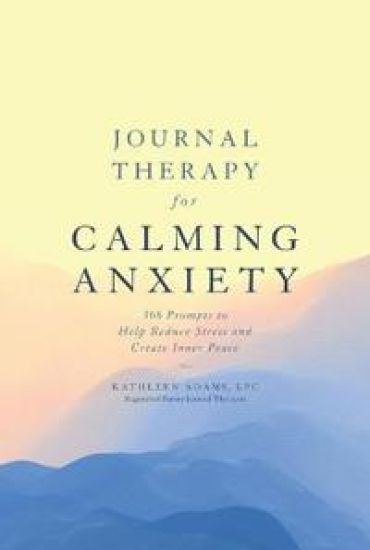
Journal Therapy for Calming Anxiety
A 366-day journal filled with approachable therapeutic writing prompts to help you understand and cope with anxiety.According to the Anxiety and Depression Association, a staggering 40 million American adults experience anxiety. Kathleen Adams, LPC, has distilled her 35 years of clinical experience into this 366-day journal to create a tool that teaches users new skills to help manage feelings of worry and stress. Through weekly cycles, readers will explore guided introspection, practices from cognitive behavior therapy, and research-backed mindfulness techniques. Each prompt supports behavioral, emotional, and neurological changes that will create calm.
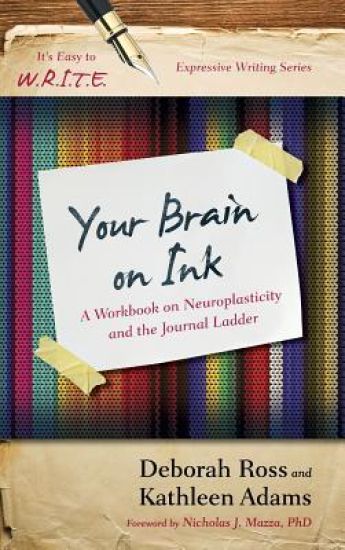
Your Brain on Ink

Your Brain on Ink

Kathleen Adams; Deborah Ross

Rowman Littlefield
2016
sidottu
A growing body of neuroscience research has established the principle of neuroplasticity; a powerfully hopeful message that we can use our minds to change our brains in the direction of greater health and well-being. The key to shaping this change rests in how we direct and focus and our attention. In an easy-to-use workbook format this publication offers a strengths based, preventative, positive approach, grounded in neuroscience research, for creating a stronger sense of overall well-being. It contains more than 65 unique writing prompts and a facilitator’s guide with complete facilitation plans for 1-hour, 90 minutes and 2-hour groups.
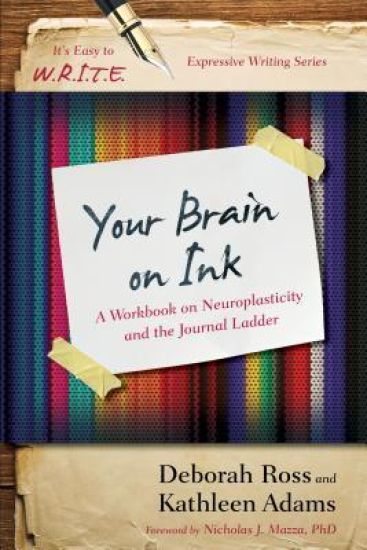
Your Brain on Ink

Your Brain on Ink

Kathleen Adams; Deborah Ross

Rowman Littlefield
2016
nidottu
The science of neuroplasticity demonstrates that our brains can and do change. We each not only have the power but use the power to create new neural pathways — for better or for worse. This science has demonstrated that we can create pathways that lead to resilience, vitality, greater peace of mind, and improved well-being. Self-directed neuroplasticity is a method of accelerating neurological change through expressive writing. It’s what happens when you harness the power of your pen or keyboard in service of intention, attention, and action for your greater good. This workbook of expressive writing for brain change can lead to increased well-being. As you learn and apply the principles of neuroplasticity to your own life, staged and sequenced through masterful application of writing techniques designed to promote positive brain change, improved satisfaction will not be far behind.
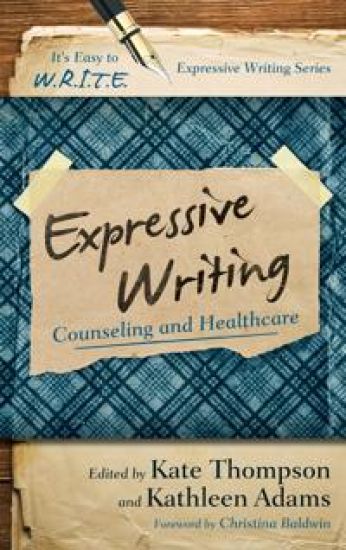
Expressive Writing

Expressive Writing

Kate Thompson; Kathleen Adams; Christina Baldwin

Rowman Littlefield
2015
sidottu
Expressive writing is life-based writing that focuses on authentic expression of lived experience, with resultant insight, growth, and skill-building. Therapists, coaches, healthcare professionals, and educators have known for decades that expressive writing is a powerful tool for better living, learning, and healing. But until now, few have had access to practical applications that have proven successful. In this groundbreaking collection, you’ll discover: ·how expressive writing can call us into healing community ·exciting new discoveries about how writing can support neuroplasticity and actually help change our brains—and thus our thinking and behavior ·new research on the role of expressive writing for prevention of compassion fatigue in RNs ·how transformative writing can create art from the ashes of trauma ·the role of journal writing for emotional balance ·sensible ideas about the synergy of expressive writing and play therapy for children, teens, and adults ·interventions and strategies for the use of expressive writing in acute psychiatric care ·how interactive expressive writing helps deaf teens communicate inarticulate feelings and thoughts ·how cancer survivors can use expressive writing to reclaim identity and strength post-treatment ·the role of expressive writing in developing the roots of resilience for practitioners
Expressive Writing

Expressive Writing

Kate Thompson; Kathleen Adams; Christina Baldwin

Rowman Littlefield
2015
nidottu
Expressive writing is life-based writing that focuses on authentic expression of lived experience, with resultant insight, growth, and skill-building. Therapists, coaches, healthcare professionals, and educators have known for decades that expressive writing is a powerful tool for better living, learning, and healing. But until now, few have had access to practical applications that have proven successful. In this groundbreaking collection, you’ll discover: ·how expressive writing can call us into healing community ·exciting new discoveries about how writing can support neuroplasticity and actually help change our brains—and thus our thinking and behavior ·new research on the role of expressive writing for prevention of compassion fatigue in RNs ·how transformative writing can create art from the ashes of trauma ·the role of journal writing for emotional balance ·sensible ideas about the synergy of expressive writing and play therapy for children, teens, and adults ·interventions and strategies for the use of expressive writing in acute psychiatric care ·how interactive expressive writing helps deaf teens communicate inarticulate feelings and thoughts ·how cancer survivors can use expressive writing to reclaim identity and strength post-treatment ·the role of expressive writing in developing the roots of resilience for practitioners
Expressive Writing

Expressive Writing

Kathleen Adams

Rowman Littlefield Education
2013
sidottu
Expressive writing is life-based writing that focuses on authentic expression of lived experience, with resultant insight, growth and skill-building. For decades, it has been the province of journals, memoirs, poets, and language arts classrooms. Social science research now provides indisputable evidence that expressive writing is also healing. In this remarkable collection, eight leading experts from education, counseling, and community service join to offer compelling guidance from applied practice. You’ll discover: ·How writing poetry helps primary school children develop emotional intelligence ·A model for helping teens at risk write safely about their deepest hurts ·How to engage reluctant writers and help them develop vital writing skills ·A simple and effective way to build structure, pacing, and containment into life-based writing ·How discovering the wellspring of inner speech helps strengthen writing skills ·A method to transform expressive writing into insightful problem-solving ·Easy strategies to write family stories ·Innovative ways to bring literature into the classroom to hone critical thinking skills through reflective practice ·Practical, time-tested ways for expressive writing in guidance and counseling ·Case studies for all levels of learners: Primary, teens, college-age, and adults Whether you are an educator, a counselor, a facilitator or a writer, you’ll find this volume an invaluable and innovative resource for the foundations of practice of expressive writing.
Expressive Writing

Expressive Writing

Kathleen Adams

Rowman Littlefield Education
2013
nidottu
Expressive writing is life-based writing that focuses on authentic expression of lived experience, with resultant insight, growth and skill-building. For decades, it has been the province of journals, memoirs, poets, and language arts classrooms. Social science research now provides indisputable evidence that expressive writing is also healing. In this remarkable collection, eight leading experts from education, counseling, and community service join to offer compelling guidance from applied practice. You’ll discover: ·How writing poetry helps primary school children develop emotional intelligence ·A model for helping teens at risk write safely about their deepest hurts ·How to engage reluctant writers and help them develop vital writing skills ·A simple and effective way to build structure, pacing, and containment into life-based writing ·How discovering the wellspring of inner speech helps strengthen writing skills ·A method to transform expressive writing into insightful problem-solving ·Easy strategies to write family stories ·Innovative ways to bring literature into the classroom to hone critical thinking skills through reflective practice ·Practical, time-tested ways for expressive writing in guidance and counseling ·Case studies for all levels of learners: Primary, teens, college-age, and adults Whether you are an educator, a counselor, a facilitator or a writer, you’ll find this volume an invaluable and innovative resource for the foundations of practice of expressive writing.
The Teacher's Journal

The Teacher's Journal

Kathleen Adams; Marise Barreiro

Rowman Littlefield Education
2013
nidottu
Teachers begin the professional journey with a treasure chest full of experiences, hopes, and expectations gathered from early childhood. Yet the everyday stresses and challenges of 21st century classrooms often leave teachers with neither time nor energy to recall their initiating dreams and desires. In this innovative workbook you’ll be expertly guided through a journey of self-discovery, back to the roots of your story, your evolution as a teacher, and the rituals and routines that help or hurt. You’ll take time out to remember the ways that teaching blesses you. You’ll learn to confront the inner critic and push back against the voice that tells you to do more, more, more. You’ll discover the legacy you leave with your students. You’ll fall in love with teaching all over again. Illustrated with 115 actual journal entries by 17 teachers in response to 65 well-crafted writing prompts, you’ll be held in a supportive international community as you rediscover yourself and your innate strengths. A facilitator’s guide featuring step-by-step lesson plans prepares you to offer this work as a writing group with peers.
The Flourishing Principal

The Flourishing Principal

Kathleen Adams; Rosemary Lohndorf

Rowman Littlefield Education
2013
nidottu
The work of a school principal is a blend of nonstop demands, heart-opening connections, near-constant stress, passionate commitment, and a merry jumble of projects that flop or flourish. It’s easy to forget that the principals own health and harmony are among the things that also need attention. In this innovative workbook, you’ll be expertly guided through The Flourishing Principals eight strengths-based, solution-focused strategies for self-renewal are designed to support principals like you. You’ll connect with core values, find and sustain healthy balance, acknowledge current reality, and set clear intentions. You’ll rediscover innate creativity, refresh healthy communication skills, focus on self-care, and call upon guiding wisdom. You’ll flourish! More than 70 well-crafted writing prompts guide you to self-renewal. Each is illustrated with the voice of a flourishing principal who has embodied these strategies. A facilitator’s guide featuring a step-by-step curriculum prepares you to lead a writing group with peers.
Therapeutic Journal Writing

Therapeutic Journal Writing

Kathleen Adams; Kate Thompson

Jessica Kingsley Publishers
2010
pokkari
Writing a journal is not just about keeping a record of daily events - journal writing provides a unique therapeutic opportunity for facilitating healing and growth.The author of this book guides the reader through developing journal writing to use as a therapeutic tool. Keeping a journal can help the writer to develop a better understanding of themselves, their relationships and the world around them, as well as improve skills of problem-solving, decision-making and planning. As such, journal writing can be a powerful complement to verbal therapy, offering an effective and affordable way of extending support to troubled clients. The book includes advice on working with individuals, facilitating a therapeutic writing group, proposed clinical applications, practical techniques, useful journal prompts, exercises and case vignettes. This clear guide to the basics of journaling and its development as a therapeutic medium will be a valuable handbook for therapists, health and social care practitioners, teachers, life coaches, writing facilitators and any professional seeking personal development in themselves or their clients.