
Kirjailija
Kathleen Duval
Kirjat ja teokset yhdessä paikassa: 22 kirjaa, julkaisuja vuosilta 2007-2025, suosituimpien joukossa Give Me Liberty. Vertaile teosten hintoja ja tarkista saatavuus suomalaisista kirjakaupoista.
22 kirjaa
Kirjojen julkaisuhaarukka 2007-2025.



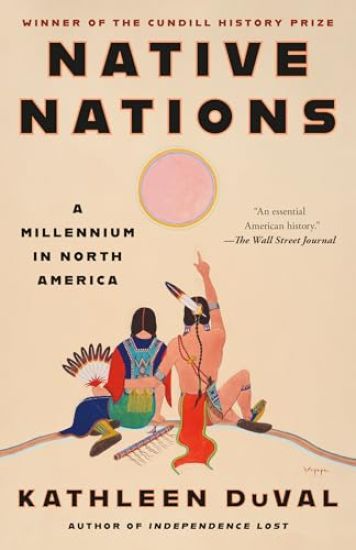
PULITZER PRIZE WINNER - "A magisterial overview of a thousand years of Native American history" (The New York Review of Books), from the rise of ancient cities more than a thousand years ago to fights for sovereignty that continue today WINNER OF THE BANCROFT PRIZE, THE CUNDILL HISTORY PRIZE, AND THE MARK LYNTON HISTORY PRIZE Long before the colonization of North America, Indigenous Americans built diverse civilizations and adapted to a changing world in ways that reverberated globally. And, as award-winning historian Kathleen DuVal vividly recounts, when Europeans did arrive, no civilization came to a halt because of a few wandering explorers, even when the strangers came well armed. A millennium ago, North American cities rivaled urban centers around the world in size. Then, following a period of climate change and instability, numerous smaller nations emerged, moving away from rather than toward urbanization. From this urban past, egalitarian government structures, diplomacy, and complex economies spread across North America. So, when Europeans showed up in the sixteenth century, they encountered societies they did not understand--those having developed differently from their own--and whose power they often underestimated. For centuries afterward, Indigenous people maintained an upper hand and used Europeans in pursuit of their own interests. In Native Nations, we see how Mohawks closely controlled trade with the Dutch--and influenced global markets--and how Quapaws manipulated French colonists. Power dynamics shifted after the American Revolution, but Indigenous people continued to command much of the continent's land and resources. Shawnee brothers Tecumseh and Tenskwatawa forged new alliances and encouraged a controversial new definition of Native identity to attempt to wall off U.S. ambitions. The Cherokees created institutions to assert their sovereignty on the global stage, and the Kiowas used their power in the west to regulate the passage of white settlers across their territory. In this important addition to the growing tradition of North American history centered on Indigenous nations, Kathleen DuVal shows how the definitions of power and means of exerting it shifted over time, but the sovereignty and influence of Native peoples remained a constant--and will continue far into the future. "An essential American history"--The Wall Street Journal
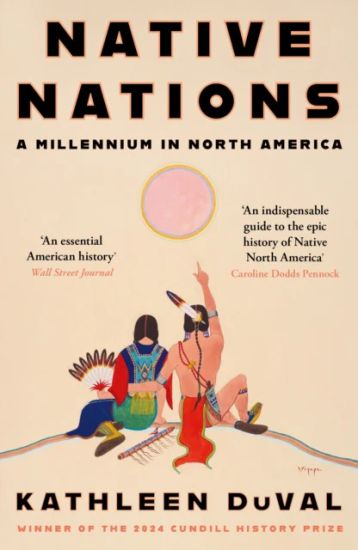
WINNER OF THE 2025 PULITZER PRIZE FOR HISTORY WINNER OF THE 2024 CUNDILL HISTORY PRIZE Winner of the Bancroft Prize 2025 Winner of the Mark Lynton History Prize 2025 For centuries, Europeans assumed that indigenous Americans lacked the sophistication to build cities and establish hierarchies. For over a millennium, prior to and after the arrival of white colonialists, however, native nations had been adapting to changing climates, founding and abandoning urban centres and forging complex, democratic societies. In this magisterial new history of North America, Kathleen DuVal puts indigenous people back at the heart of the story. From the splendour of ancient cities like Cahokia and Moundsville to the careful diplomacy of native leaders in the face of colonial expansion, Native Nations reveals the diversity of indigenous civilisation and shows how a 1,000-year legacy still shapes America today, in struggles over sovereignty, climate and indigenous rights.
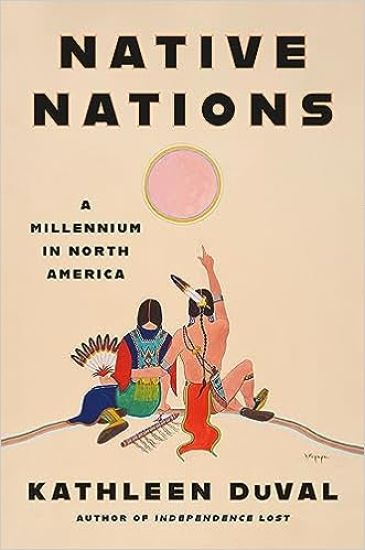
A sweeping history of the power of Indigenous North America from ancient cities to fights for sovereignty that continue today, from an award-winning historian In this magisterial history, Kathleen DuVal tells the story of Native nations, from the rise of ancient cities more than a thousand years ago to the present, reframing North American history with Indigenous power and sovereignty at its center. Before and during European colonization, Indigenous North Americans built diverse civilizations and lived in history, adapting to a changing world in ways that reverberated globally. As DuVal explains, no civilization came to a halt when a few wandering explorers arrived, even when the strangers came well-armed. A millennium ago, North American cities rivaled urban centers around the world in size, but following a period of climate change and instability DuVal shows how numerous smaller nations emerged from previously centralized civilizations, moving away from rather than toward urbanization. From this urban past, patterns of egalitarian government structures, diplomacy, and complex economies spread across North America. So, when Europeans arrived in the sixteenth century, they encountered societies they did not understand, having developed differently from their own, and whose power they often underestimated. For centuries after these first encounters, Indigenous people maintained an upper hand and used Europeans in pursuit of their own interests. In Native Nations, we see how Mohawks closely controlled trade with the Dutch--and influenced global markets--and how Quapaws manipulated French colonists. Power dynamics shifted after the American Revolution, but Indigenous people continued to control the majority of the continent. Shawnee brothers Tecumseh and Tenskwatawa forged new alliances and encouraged a controversial new definition of Native identity to attempt to wall off U.S. ambitions. The Cherokees created new institutions to assert their sovereignty on the global stage, and the Kiowas used their preponderance of power in the west to regulate the passage of white settlers across their territory. In this important addition to the growing tradition of North American history centered on Indigenous nations, Kathleen DuVal uses these stories to show how the definitions of power and means of exerting it shifted over time, but the sovereignty and influence of Native peoples remained a constant and will continue far into the future.

Give Me Liberty! is beloved by instructors and students alike because it delivers an authoritative, concise, and integrated American history. In the Seventh Edition, Eric Foner welcomes acclaimed scholars Kathleen DuVal and Lisa McGirr as co-authors. Together, they have enhanced coverage of Native American history with an emphasis on how it refines our understanding of freedom—the book’s urgent guiding theme. New pedagogical tools, including a guided interactive reading experience with support in developing critical thinking skills, are designed to help students get the most out of this beloved text. The Seagull Edition offers the complete text of the Full Edition in full color and a portable trim size with fewer illustrations and maps and an exceptionally low price.



Voices of Freedom: A Documentary History
Eric Foner; Kathleen Duval; Lisa McGirr
W. W. Norton Company
2022
nidottu

Voices of Freedom: A Documentary History
Eric Foner; Kathleen Duval; Lisa McGirr
W. W. Norton Company
2022
nidottu