

Kirjailija
Kathleen Stock
Kirjat ja teokset yhdessä paikassa: 7 kirjaa, julkaisuja vuosilta 2017-2027, suosituimpien joukossa Do Not Go Gentle. Vertaile teosten hintoja ja tarkista saatavuus suomalaisista kirjakaupoista.
7 kirjaa
Kirjojen julkaisuhaarukka 2017-2027.


A punchy, rigorous take on the moral dangers of assisted suicide from a secular point of view.
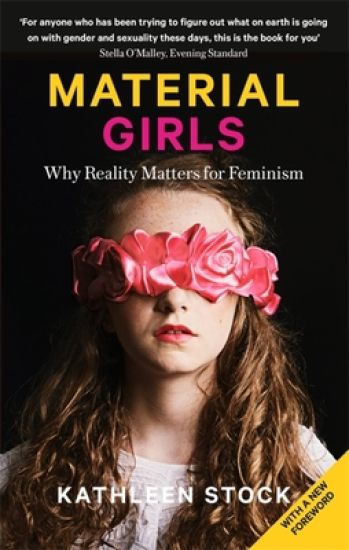
'A clear, concise, easy-to-read account of the issues between sex, gender and feminism . . . an important book' Evening Standard 'A call for cool heads at a time of great heat and a vital reminder that revolutions don't always end well' Sunday Times Material Girls is a timely and trenchant critique of the influential theory that we all have an inner feeling known as a gender identity, and that this feeling is more socially significant than our biological sex.Professor Kathleen Stock surveys the philosophical ideas that led to this point, and closely interrogates each one, from De Beauvoir's statement that, 'One is not born, but rather becomes a woman' (an assertion she contends has been misinterpreted and repurposed), to Judith Butler's claim that language creates biological reality, rather than describing it. She looks at biological sex in a range of important contexts, including women-only spaces and resources, healthcare, epidemiology, political organization and data collection.Material Girls makes a clear, humane and feminist case for our retaining the ability to discuss reality, and concludes with a positive vision for the future, in which trans rights activists and feminists can collaborate to achieve some of their political aims.

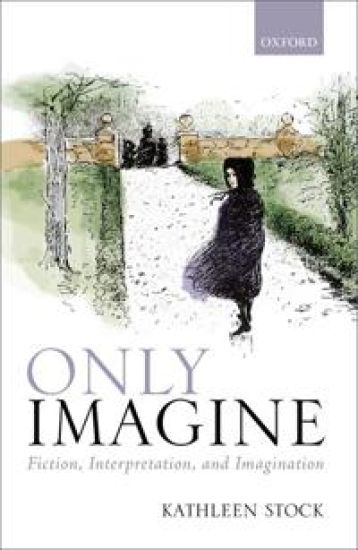
Only Imagine offers a theory of fictional content or, as it is sometimes known, 'fictional truth'. The theory of fictional content Kathleen Stock argues for is known as 'extreme intentionalism'; the idea that the fictional content of a particular work is equivalent to exactly what the author of the work intended the reader to imagine. Historically, this sort of view has been highly unpopular. Literary theorists and philosophers alike have poured scorn upon it. The first half of this book attempts to argue that it should in fact be taken very seriously as an adequate account of fictional truth: better, in fact, than many of its more popular rivals. The second half explores various explanatory benefits of extreme intentionalism for other issues in the philosophy of fiction and imagination. Namely, can fiction give us reliable knowledge? Why do we 'resist' imagining certain fictions? What, in fact, is a fiction? And, how should the imagination be characterised?
Only Imagine offers a theory of fictional content or, as it is sometimes known, 'fictional truth'. The theory of fictional content Kathleen Stock argues for is known as 'extreme intentionalism'; the idea that the fictional content of a particular work is equivalent to exactly what the author of the work intended the reader to imagine. Historically, this sort of view has been highly unpopular. Literary theorists and philosophers alike have poured scorn upon it. The first half of this book attempts to argue that it should in fact be taken very seriously as an adequate account of fictional truth: better, in fact, than many of its more popular rivals. The second half explores various explanatory benefits of extreme intentionalism for other issues in the philosophy of fiction and imagination. Namely, can fiction give us reliable knowledge? Why do we 'resist' imagining certain fictions? What, in fact, is a fiction? And, how should the imagination be characterised?