Kirjojen hintavertailu. Mukana 12 657 676 kirjaa ja 12 kauppaa.

Kirjailija

Kathleen Tierney

Kirjat ja teokset yhdessä paikassa: 6 kirjaa, julkaisuja vuosilta 2014-2025, suosituimpien joukossa The Social Roots of Risk. Vertaile teosten hintoja ja tarkista saatavuus suomalaisista kirjakaupoista.

6 kirjaa

Kirjojen julkaisuhaarukka 2014-2025.

Disasters

Disasters

Kathleen Tierney

JOHN WILEY AND SONS LTD
2025
nidottu
Disasters kill, maim, and generate increasingly large economic losses. But they do not wreak their damage equally across nations and populations. Every disaster has social forces at its very core. This important book sheds light on the social conditions and the global, national, and local processes that produce environmental degradation and disaster. Topics covered include the social roots of disaster vulnerability, exposure to natural hazards as a form of environmental injustice, and emerging threats. Written by a leading expert in the field, the book provides the necessary frameworks for understanding hazards and disasters, as it explores the contributions of various social science disciplines to disaster research and how these ideas have evolved over time. Bringing the social aspects of disasters to the forefront, Tierney discusses the challenge of conducting research in the aftermath of a disaster and critiques the concept of disaster resilience, which has come to be seen as a key to disaster risk reduction. This second edition places greater emphasis on climate-related disasters and offers new reflections on the impacts of Covid-19, additional material on the legacies of colonialism, and refreshed case studies. Peppered with research findings and insights from a wide range of disciplines, this rich introduction is an invaluable resource for students and scholars interested in both the social nature of disasters and their relation to broader social forces.

Disasters

Disasters

Kathleen Tierney

JOHN WILEY AND SONS LTD
2025
sidottu
Disasters kill, maim, and generate increasingly large economic losses. But they do not wreak their damage equally across nations and populations. Every disaster has social forces at its very core. This important book sheds light on the social conditions and the global, national, and local processes that produce environmental degradation and disaster. Topics covered include the social roots of disaster vulnerability, exposure to natural hazards as a form of environmental injustice, and emerging threats. Written by a leading expert in the field, the book provides the necessary frameworks for understanding hazards and disasters, as it explores the contributions of various social science disciplines to disaster research and how these ideas have evolved over time. Bringing the social aspects of disasters to the forefront, Tierney discusses the challenge of conducting research in the aftermath of a disaster and critiques the concept of disaster resilience, which has come to be seen as a key to disaster risk reduction. This second edition places greater emphasis on climate-related disasters and offers new reflections on the impacts of Covid-19, additional material on the legacies of colonialism, and refreshed case studies. Peppered with research findings and insights from a wide range of disciplines, this rich introduction is an invaluable resource for students and scholars interested in both the social nature of disasters and their relation to broader social forces.
Disasters

Disasters

Kathleen Tierney

Polity Press
2019
nidottu
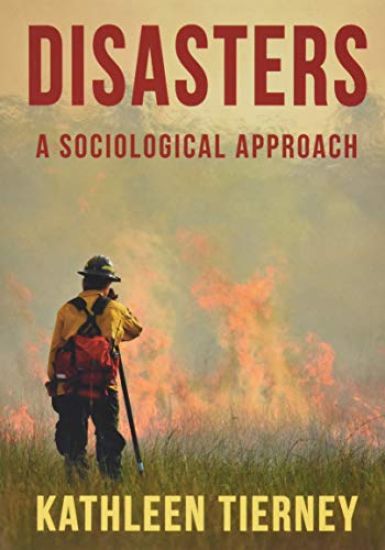
Disasters kill, maim, and generate increasingly large economic losses. But they do not wreak their damage equally across populations, and every disaster has social dimensions at its very core. This important book sheds light on the social conditions and on the global, national, and local processes that produce disasters. Topics covered include the social roots of disaster vulnerability, exposure to natural hazards such as hurricanes and tsunamis as a form of environmental injustice, and emerging threats. Written by a leading expert in the field, this book provides the necessary frameworks for understanding hazards and disasters, exploring the contributions of very different social science fields to disaster research and showing how these ideas have evolved over time. Bringing the social aspects of recent devastating disasters to the forefront, Tierney discusses the challenges of conducting research in the aftermath of disasters and critiques the concept of disaster resilience, which has come to be seen as a key to disaster risk reduction. Peppered with case studies, research examples, and insights from very different disciplines, this rich introduction is an invaluable resource to students and scholars interested in the social nature of disasters and their relation to broader social forces.

Cherry Bomb

Cherry Bomb

Caitlin R. Kiernan; Kathleen Tierney

ROC (imprint of Penguin Group (USA) Inc)
2015
nidottu
Meet Siobhan Quinn--Half vampire, half werewolf, and retired monster hunter. Or so she thought... Three years have passed since Quinn turned her back on Providence, Rhode Island's seedy supernatural underbelly, walking out on Mr. B. and taking a bus headed anywhere. She hoped her escape would give her some peace from the endless parade of horrors. But a dead girl who quarrels with the moon can't catch a break, and, on the streets of Manhattan, Quinn finds herself caught between a rock and a hard place. Again. What do you do when you're stuck in the middle of a three-million-year-old grudge match between the ghouls and the djinn, accidentally in possession of a hellish artifact that could turn the tide of the war, all the while being hunted by depraved half-ghoul twins intent on "taking" the object and ushering in a terrifying Dark Age? Especially when you've fallen in love with the woman who got you into this mess--and you ain't nobody's hero...
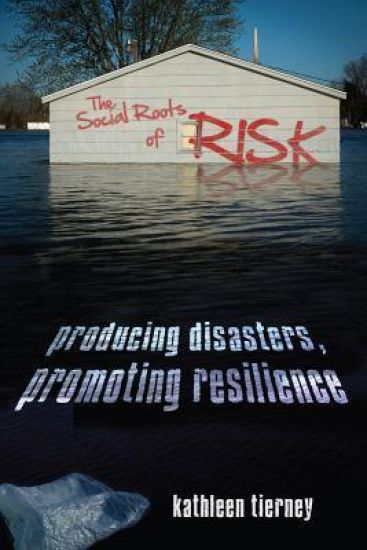
The Social Roots of Risk

The Social Roots of Risk

Kathleen Tierney

Stanford University Press
2014
sidottu
The first decade of the 21st century saw a remarkable number of large-scale disasters. Earthquakes in Haiti and Sumatra underscored the serious economic consequences that catastrophic events can have on developing countries, while 9/11 and Hurricane Katrina showed that first world nations remain vulnerable. The Social Roots of Risk argues against the widespread notion that cataclysmic occurrences are singular events, driven by forces beyond our control. Instead, Kathleen Tierney contends that disasters of all types—be they natural, technological, or economic—are rooted in common social and institutional sources. Put another way, risks and disasters are produced by the social order itself—by governing bodies, organizations, and groups that push for economic growth, oppose risk-reducing regulation, and escape responsibility for tremendous losses when they occur. Considering a wide range of historical and looming events—from a potential mega-earthquake in Tokyo that would cause devastation far greater than what we saw in 2011, to BP's accident history prior to the 2010 blowout—Tierney illustrates trends in our behavior, connecting what seem like one-off events to illuminate historical patterns. Like risk, human resilience also emerges from the social order, and this book makes a powerful case that we already have a significant capacity to reduce the losses that disasters produce. A provocative rethinking of the way that we approach and remedy disasters, The Social Roots of Risk leaves readers with a better understanding of how our own actions make us vulnerable to the next big crisis—and what we can do to prevent it.
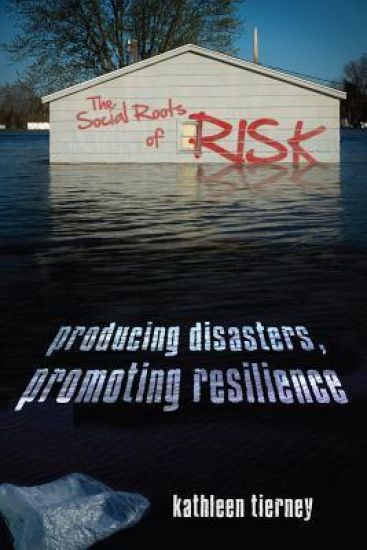
The Social Roots of Risk

The Social Roots of Risk

Kathleen Tierney

Stanford University Press
2014
pokkari
The first decade of the 21st century saw a remarkable number of large-scale disasters. Earthquakes in Haiti and Sumatra underscored the serious economic consequences that catastrophic events can have on developing countries, while 9/11 and Hurricane Katrina showed that first world nations remain vulnerable. The Social Roots of Risk argues against the widespread notion that cataclysmic occurrences are singular events, driven by forces beyond our control. Instead, Kathleen Tierney contends that disasters of all types—be they natural, technological, or economic—are rooted in common social and institutional sources. Put another way, risks and disasters are produced by the social order itself—by governing bodies, organizations, and groups that push for economic growth, oppose risk-reducing regulation, and escape responsibility for tremendous losses when they occur. Considering a wide range of historical and looming events—from a potential mega-earthquake in Tokyo that would cause devastation far greater than what we saw in 2011, to BP's accident history prior to the 2010 blowout—Tierney illustrates trends in our behavior, connecting what seem like one-off events to illuminate historical patterns. Like risk, human resilience also emerges from the social order, and this book makes a powerful case that we already have a significant capacity to reduce the losses that disasters produce. A provocative rethinking of the way that we approach and remedy disasters, The Social Roots of Risk leaves readers with a better understanding of how our own actions make us vulnerable to the next big crisis—and what we can do to prevent it.